Yoshoku - Western influenced Japanese food

Tonkatsu

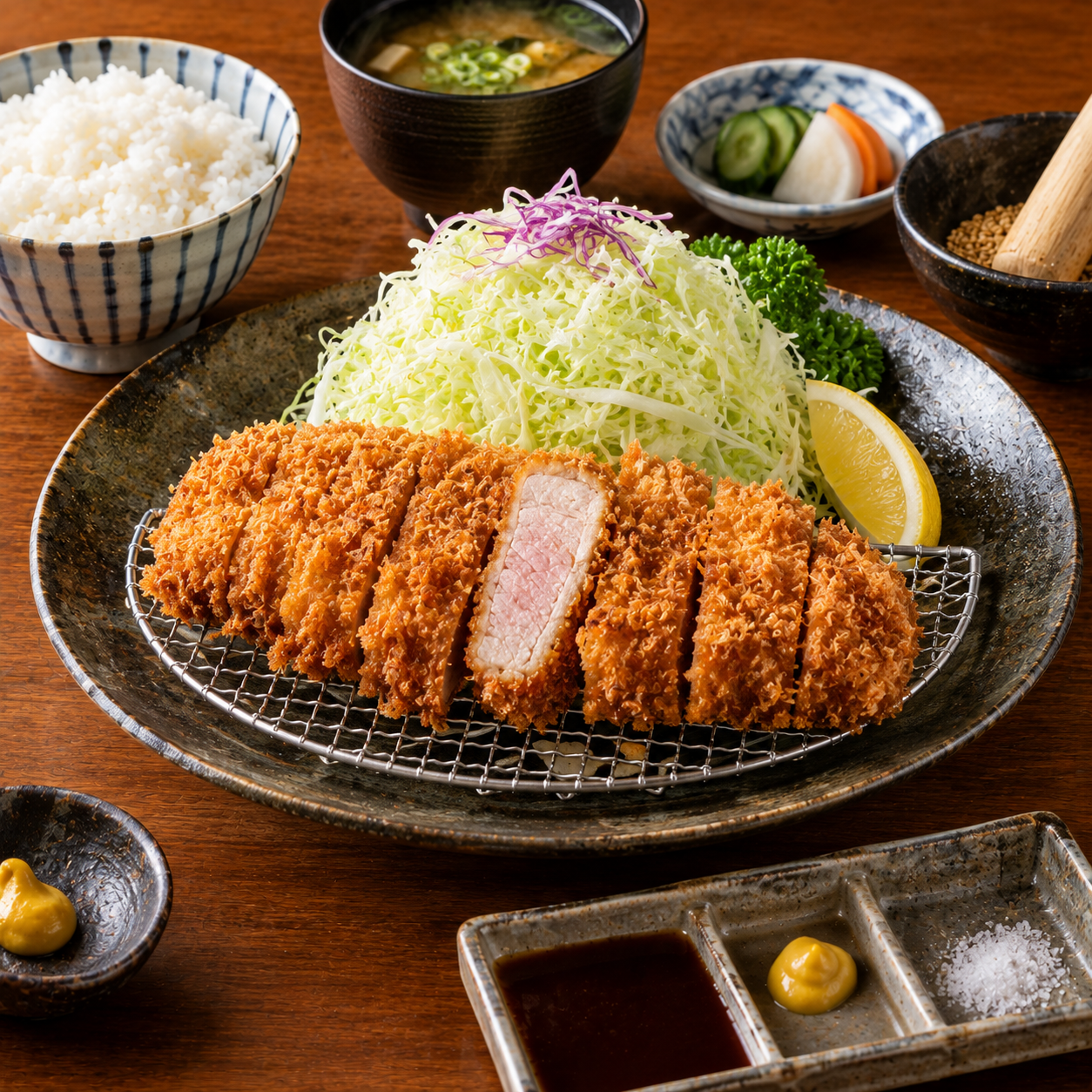
Tonkatsu is a Japanese dish of breaded and deep-fried pork cutlet. Crisp breadcrumbs surround tender, juicy pork, and the dish ranges from casual katsu-sando sandwiches and station bento boxes to specialist restaurants serving premium heritage-breed pork cooked to order.

Tonkatsu is traditionally served with a rich, slightly sweet tonkatsu sauce. Made with ingredients such as vegetables, fruit, and spices, the sauce adds depth while complementing the flavour of the pork.

A small amount of karashi, a Japanese mustard with a sharp and spicy flavour, is often served alongside the tonkatsu. Its clean heat cuts through the richness of the pork and sauce, creating a more balanced flavour. For those who prefer to appreciate the natural flavour of the pork, high-quality tonkatsu is also often enjoyed simply with salt.
Curry

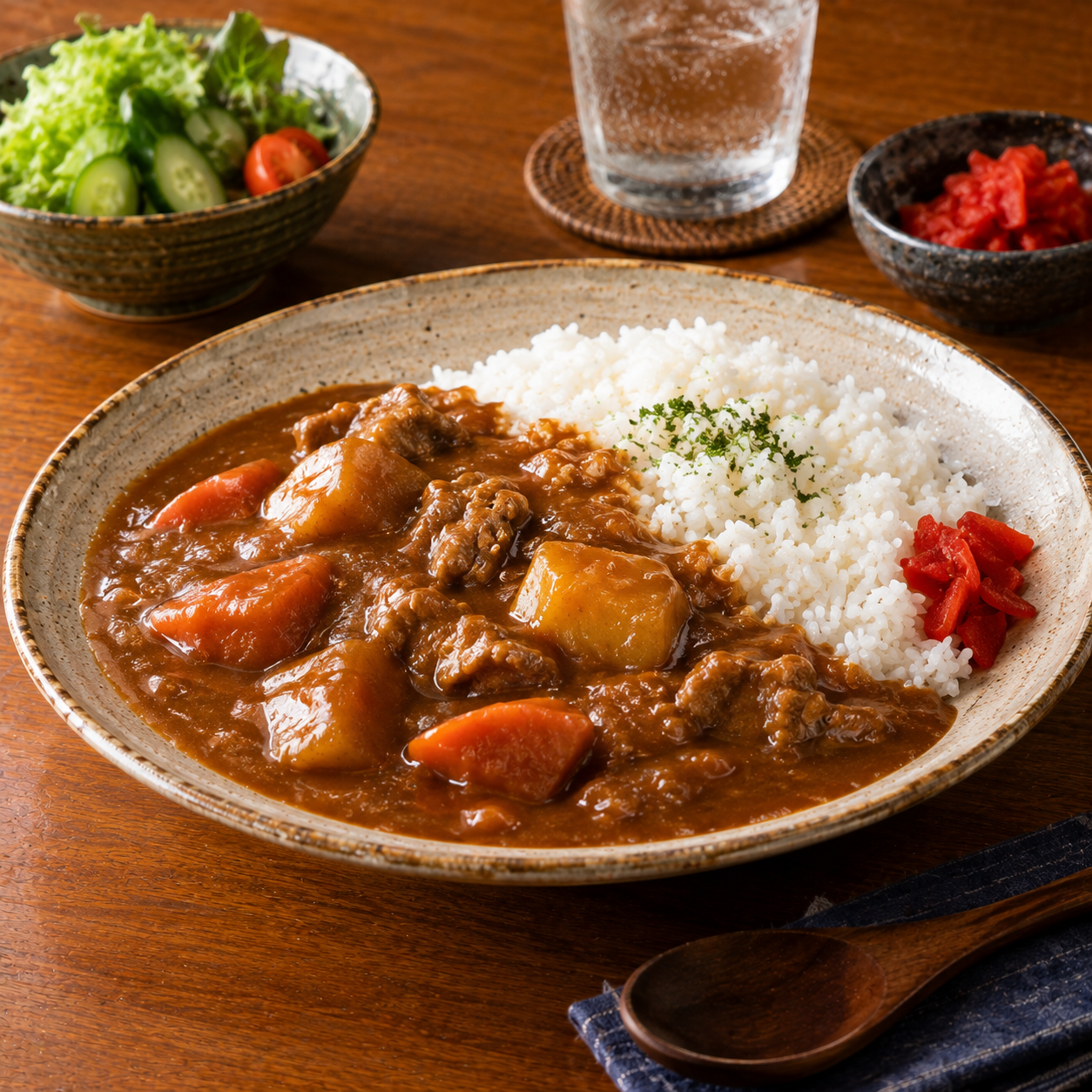
Japanese curry is deeply rooted in everyday Japanese food culture.

At home, it is commonly prepared using commercially available curry roux, while specialist restaurants create their own distinctive flavours using carefully selected spices, dashi, meat, vegetables, and other ingredients.

Although Japanese curry has its roots in curry traditions introduced from abroad, it has evolved into a uniquely Japanese style and has become one of the country’s most beloved comfort foods.

European & Western Dining

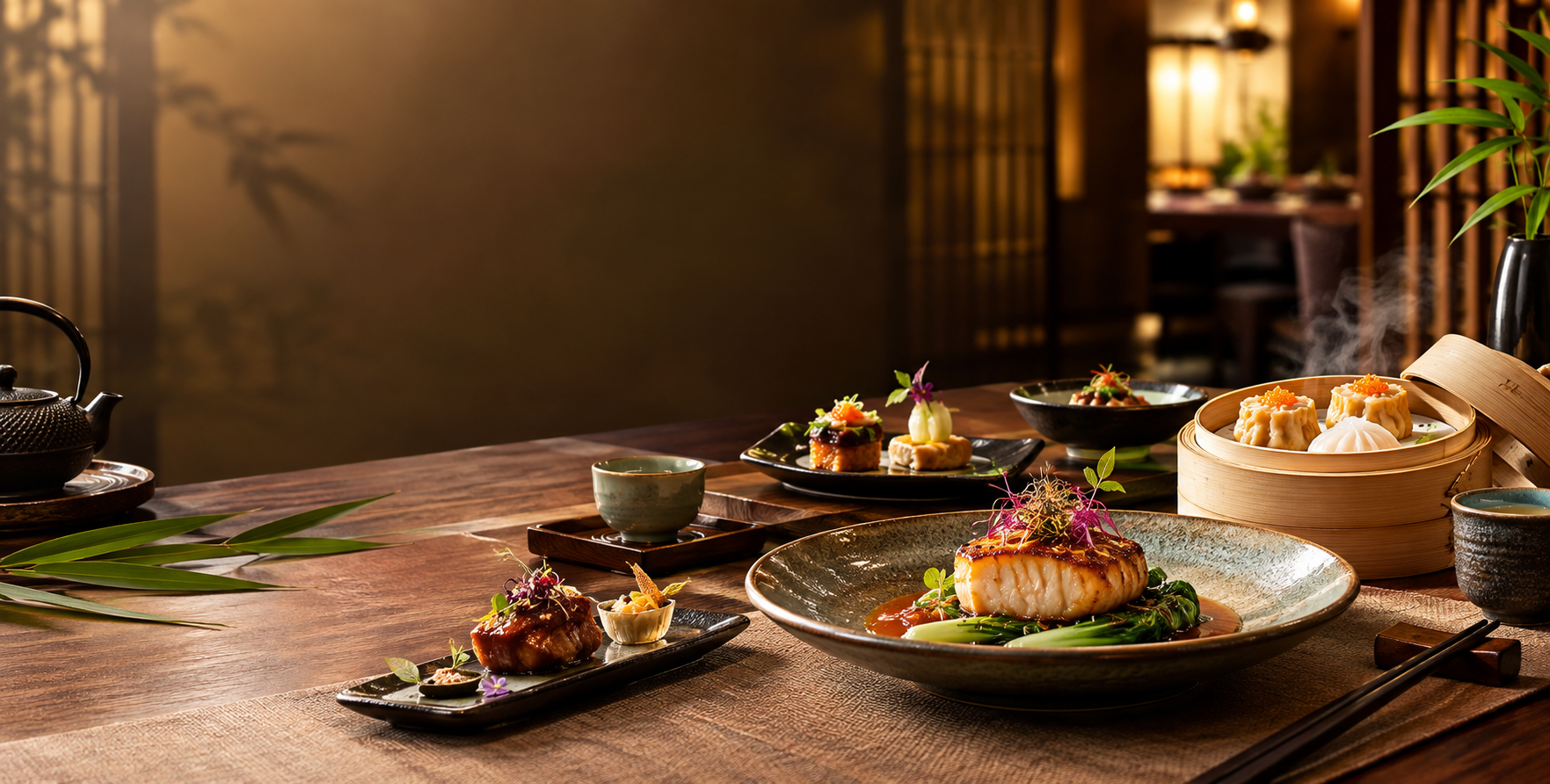
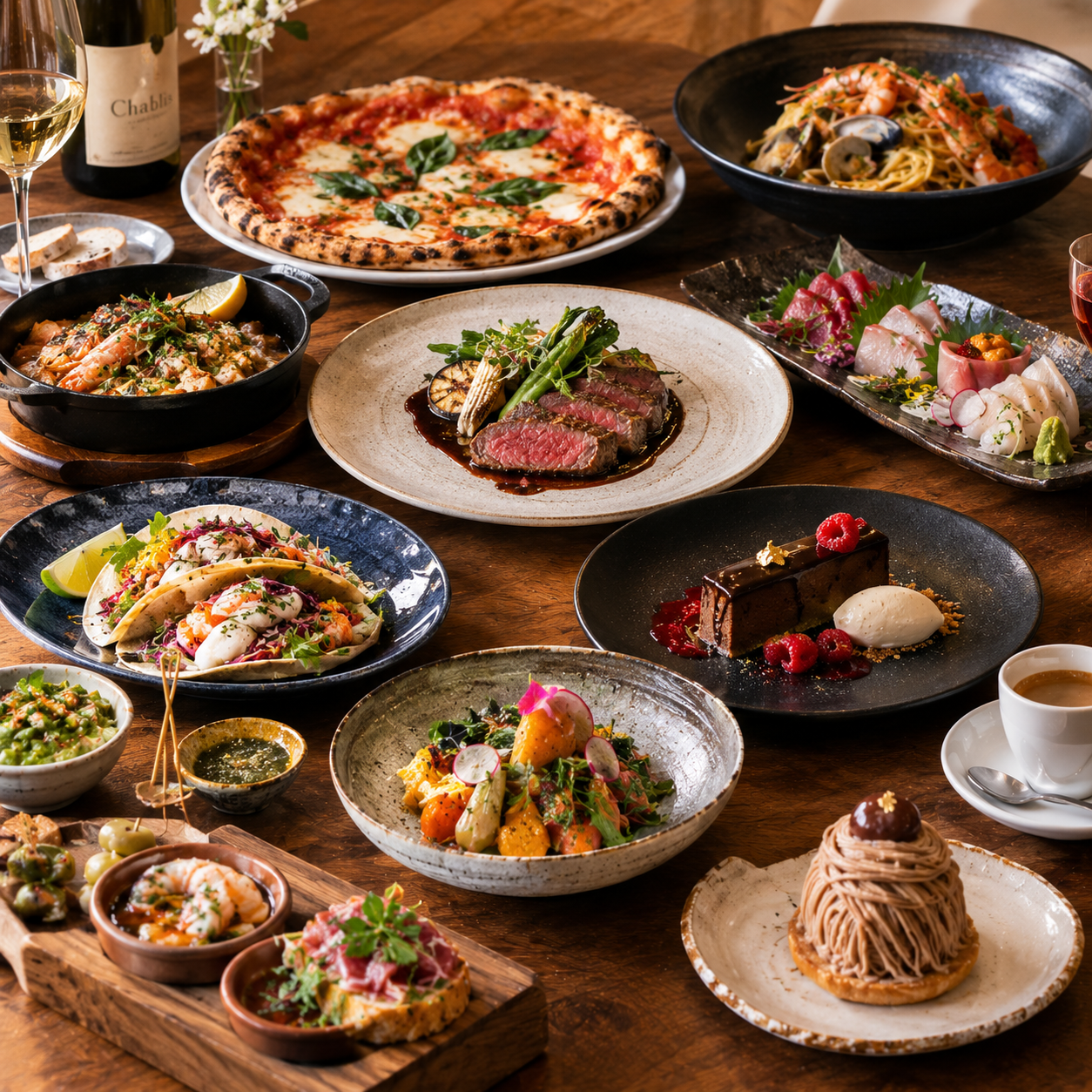
One of the many appealing aspects of Japan’s dining scene is the cuisine developed with local seasonal produce combined with cooking techniques from expatriate chefs that call Japan, ‘home.’

There are a multitude of culinary options from; classical French, modern Italian, Catalonian, Southern Soul Food, Spanish tapas, Napoli Pizza and a Mexican omakase of seasonal local seafood paired with Tacos made of house ground masa.

Japan also hosts some of the world renowned patisseries and chocolatiers, with many visitors returning home with unforgettable sweet treats as gifts for family and friends.

Hambagu

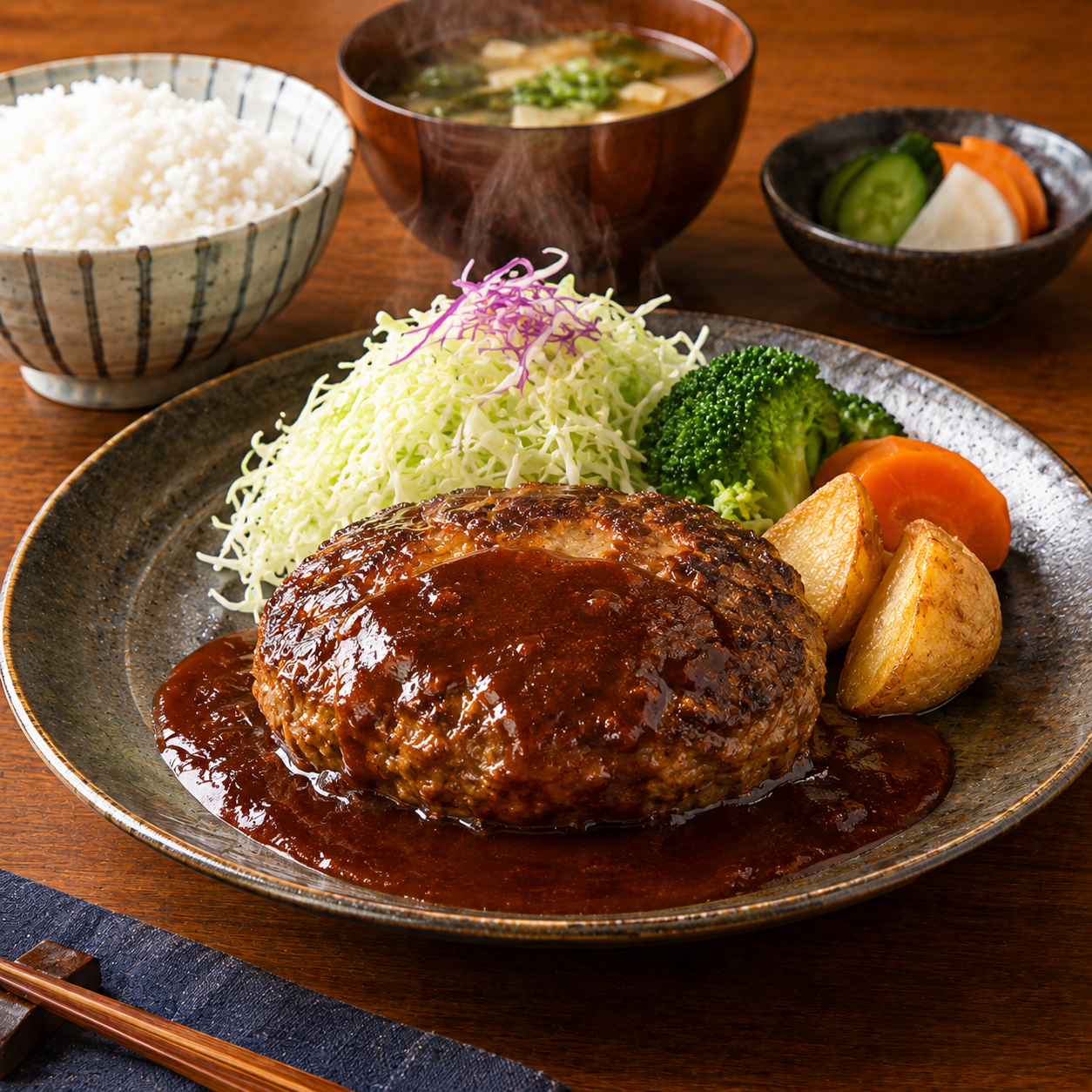
Japanese hambagu, or Hamburg steak, was inspired by the European Hamburg steak but has evolved into a distinctly Japanese dish. It is commonly made from a mixture of ground beef and pork and served with demi-glace or Japanese-style sauces, usually alongside rice.

Hambagu can be found everywhere from traditional kissaten coffee shops and family restaurants to specialist establishments focusing on premium heritage-breed pork or beef.

Japanese Pasta

Pasta has also developed its own distinctive identity in Japan.

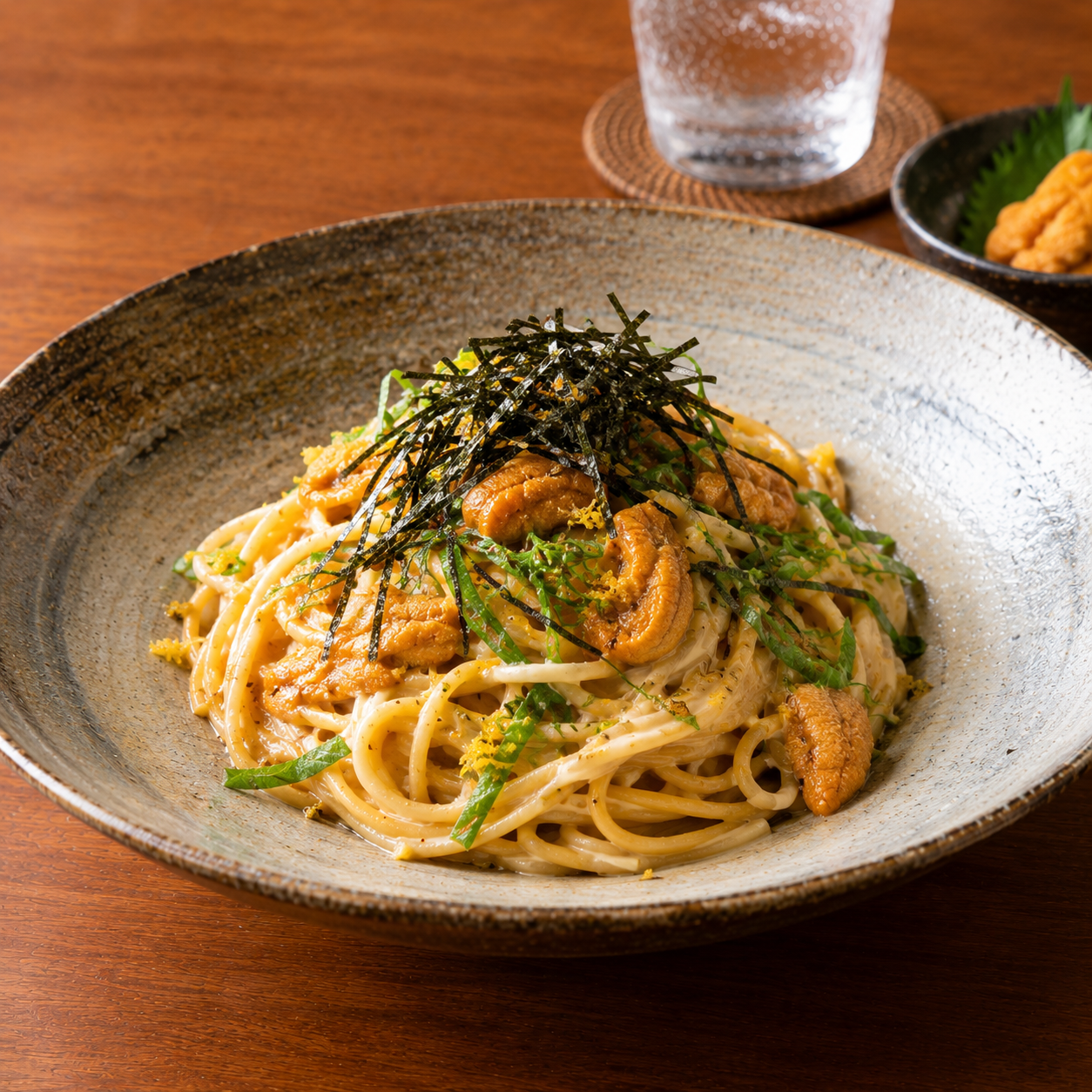
Traditional kissaten and casual restaurants are known for dishes such as Napolitan, a ketchup-based pasta, as well as Japanese-style pasta featuring ingredients such as mentaiko (spicy pollock roe), seaweed, and soy sauce.

In recent years, fine-dining restaurants have taken this further, combining Italian techniques with Japan’s exceptional seasonal produce. Abalone liver, ayu sweetfish, uni sea urchin, karasumi cured mullet roe, and seasonal seafood can all be incorporated into creative pasta dishes, creating an intriguing meeting point between Japanese ingredients and Italian cuisine.

Kushiage

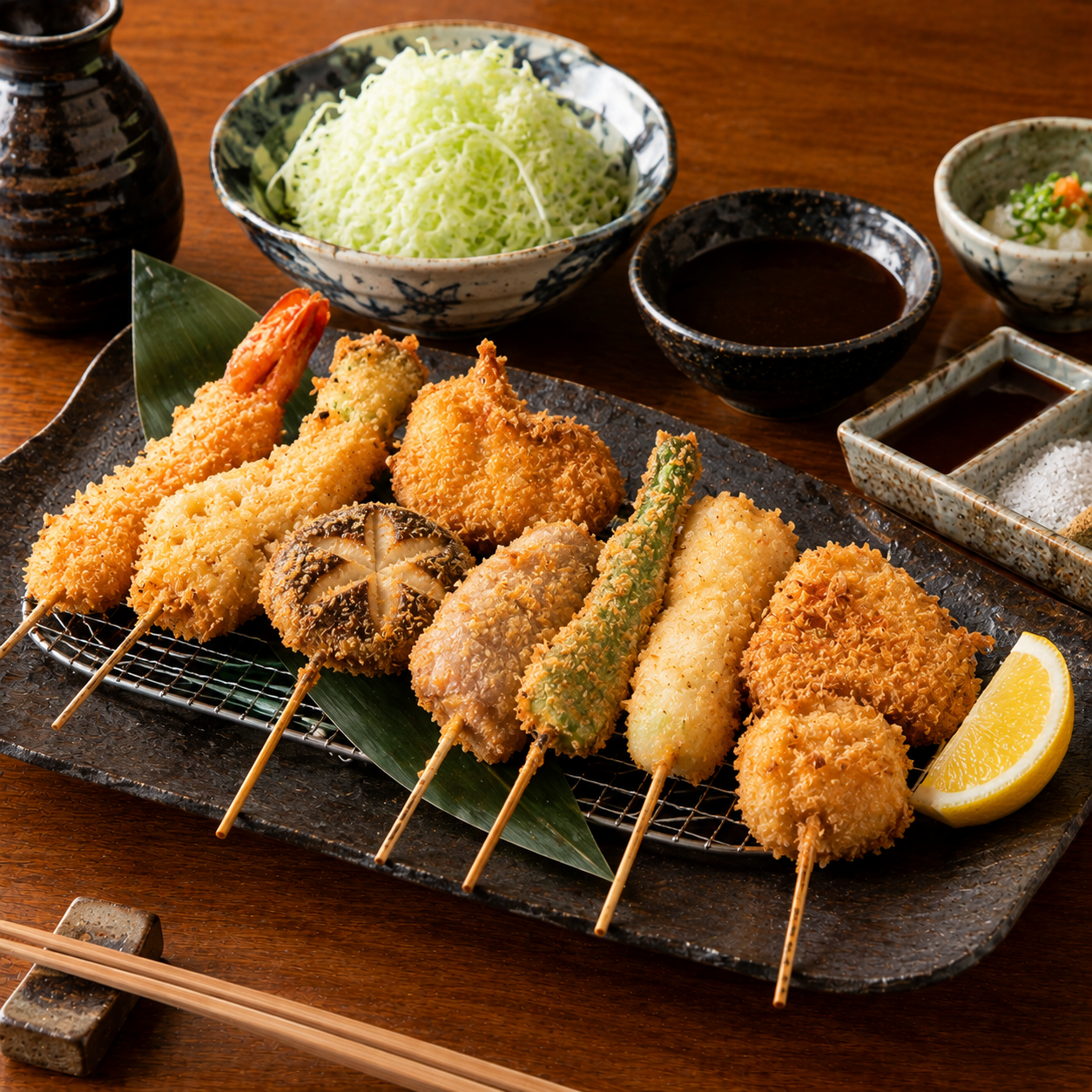
Kushiage is a Japanese deep-fried skewer dish that originated in Osaka.

Meat, seafood, and vegetables are cut into bite-sized pieces, skewered, coated in a light batter, and fried to create a variety of textures and flavours. The experience ranges from casual restaurants to refined omakase establishments, where seasonal and premium ingredients are selected and fried one by one.

Teishoku

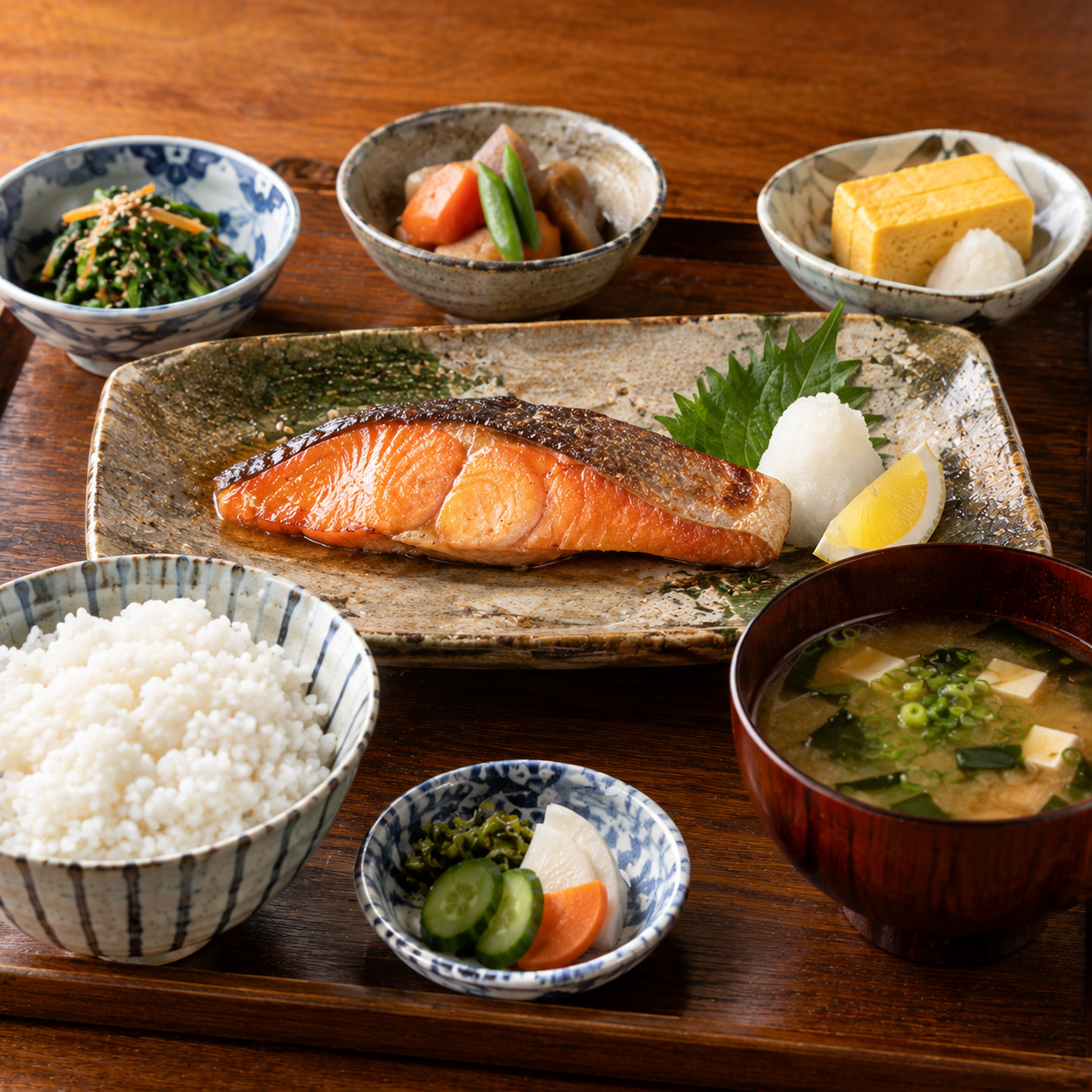
Teishoku is a traditional Japanese set meal that typically combines rice, miso soup, pickles, side dishes, and a main dish such as meat or fish.

The main dish varies widely from restaurant to restaurant and may include grilled fish, sashimi, tempura, pork, or chicken. Many restaurants also offer daily set meals featuring seasonal ingredients.

For Japanese people, teishoku is an everyday style of dining. For visitors, however, it offers an authentic and approachable way to experience the Japanese table without the formality of a traditional fine-dining experience.

Izakaya

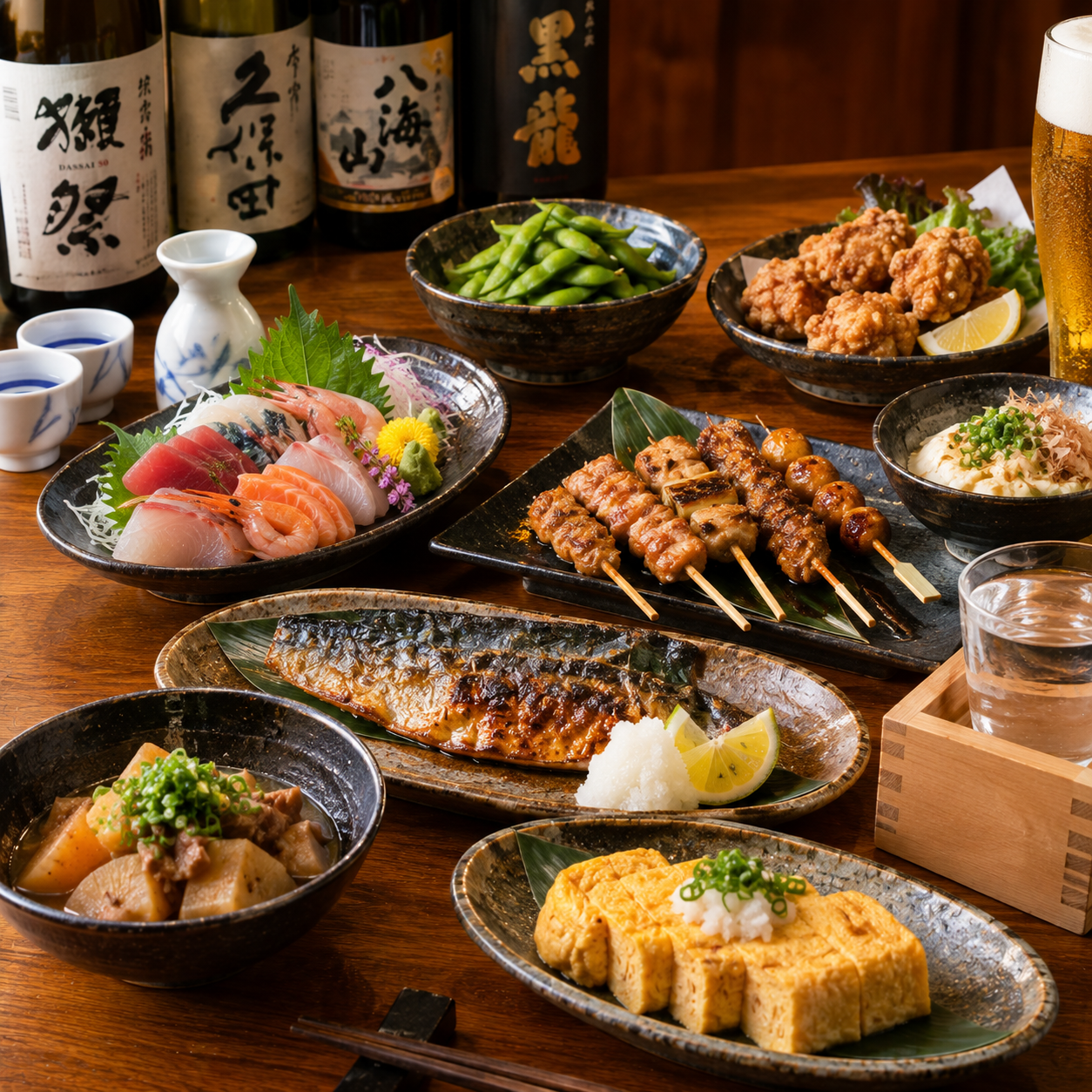
Izakaya are one of the most approachable ways to experience Japanese food culture.
There are no strict rules regarding the type of cuisine served. Depending on the chef and restaurant, menus may include sashimi, grilled fish, yakitori, fried dishes, traditional Japanese favourites, Western-inspired dishes, and contemporary creations.

Another defining feature of izakaya dining is the opportunity to explore Japan’s diverse selection of sake, or nihonshu. Different restaurants have their own preferred breweries and styles, making each visit an opportunity to discover new regional flavours and pairings.

From casual neighbourhood establishments to sophisticated restaurants pairing seasonal cuisine with carefully selected sake, every izakaya offers a different experience.

Oden

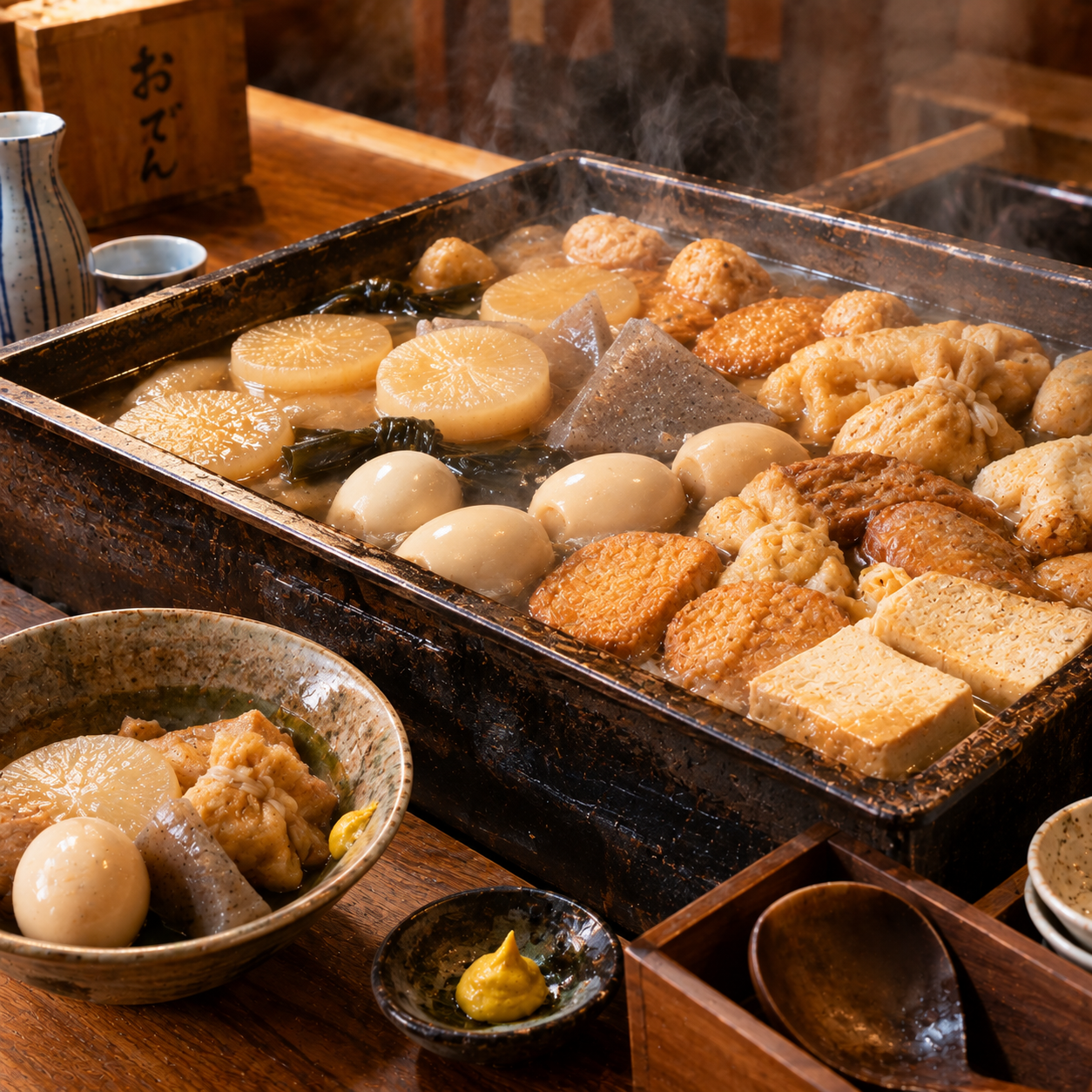
Oden is a traditional Japanese dish in which a variety of ingredients are slowly simmered in a flavourful dashi broth. Common ingredients include daikon radish, eggs, konnyaku, tofu, and a variety of fish cakes and other processed fish products. The selection of ingredients and style of broth varies from region to region and from one restaurant to another.

Yatai

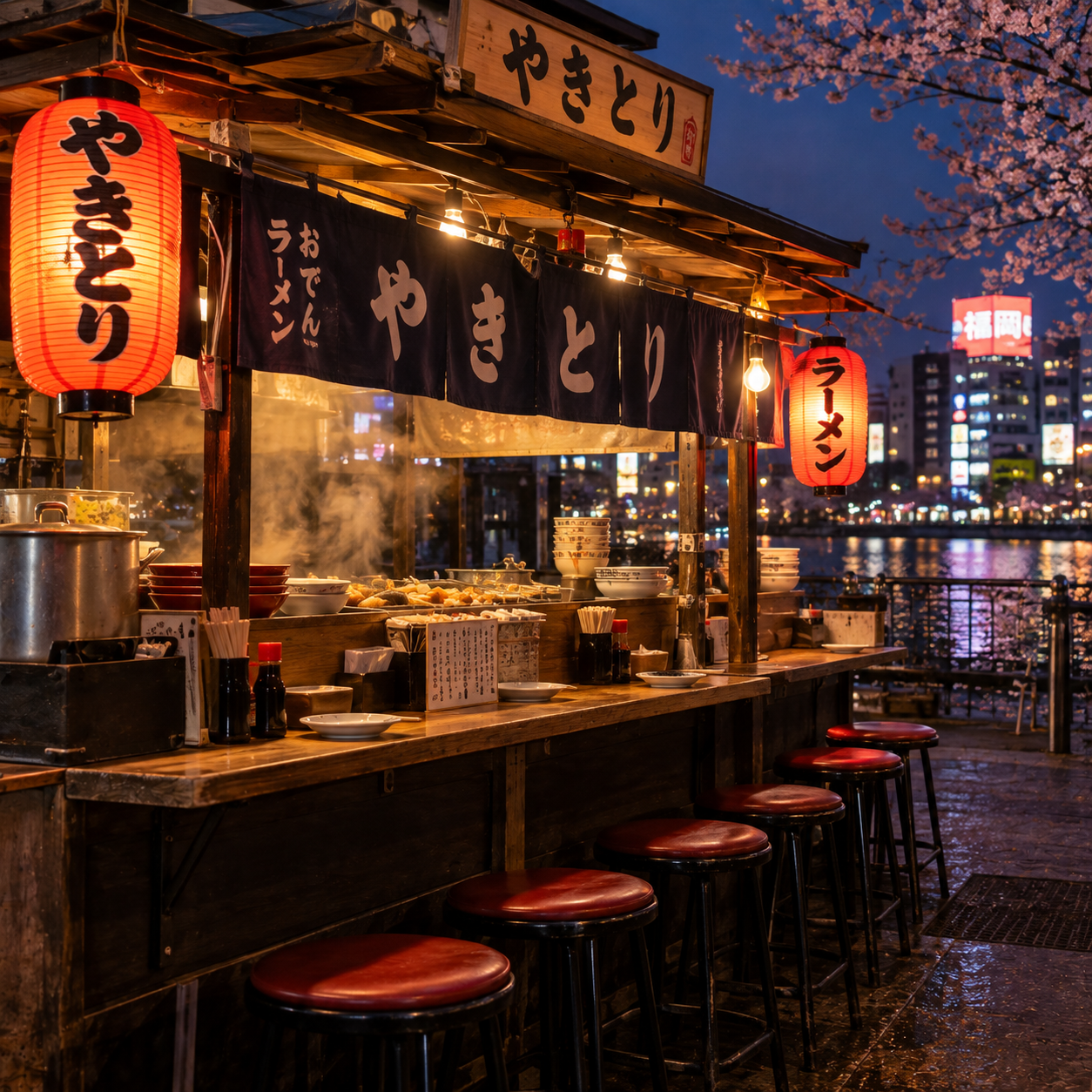
Yatai are small, open-air food stalls that appear in streets and entertainment districts from the evening onwards. Guests sit around a compact counter, watching the chef prepare food while enjoying the atmosphere of the surrounding streets, the evening air, and the changing seasons.

The close proximity between chef and guests, as well as the limited counter seating, creates an intimate and lively atmosphere that is quite different from a conventional restaurant.

Fukuoka, particularly Hakata, is famous for its yatai culture, where guests can enjoy dishes such as ramen, yakitori, gyoza, and oden.

Demo | Yoshoku – Western influenced Japanese food