Washoku - Japanese Cuisine

Sushi

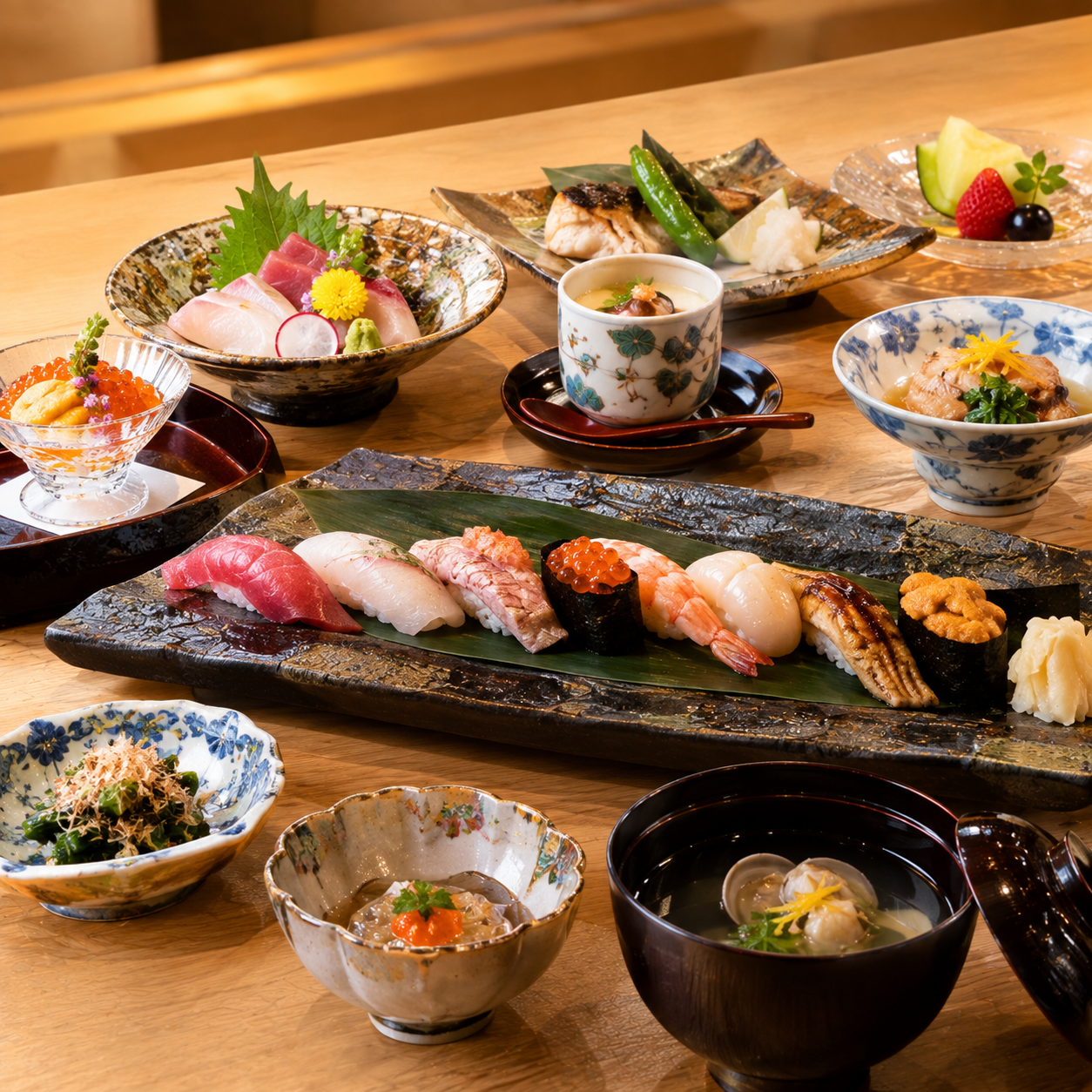
The Japanese sushi experience ranges from highly accessible options such as kaiten-zushi (conveyor-belt sushi) and standing sushi bars to intimate omakase dining and exclusive sushi restaurants offering a special à la carte experience.

At the finest sushi restaurants; quality and seasonality of the seafood are held in high regard and paired with shari (sushi rice) to create the perfect bite. Chefs consider the freshness, richness, preparation, ageing of each piece of seafood, as well as when it is at its peak in flavour. The same fish can offer remarkably different flavours and texture depending on its season, origin, preparation, and the temperature at which it is served.
Sushi is therefore not simply about eating fresh seafood. It is also about experiencing the chef’s knowledge, aging process, judgement, and technique in bringing out the natural character of each ingredient.

An omakase experience may also include seasonal otsumami, or small dishes, allowing guests to experience a broader range of Japanese seafood and seasonal flavours as part of a complete dining journey.
Kaiseki & Kappo

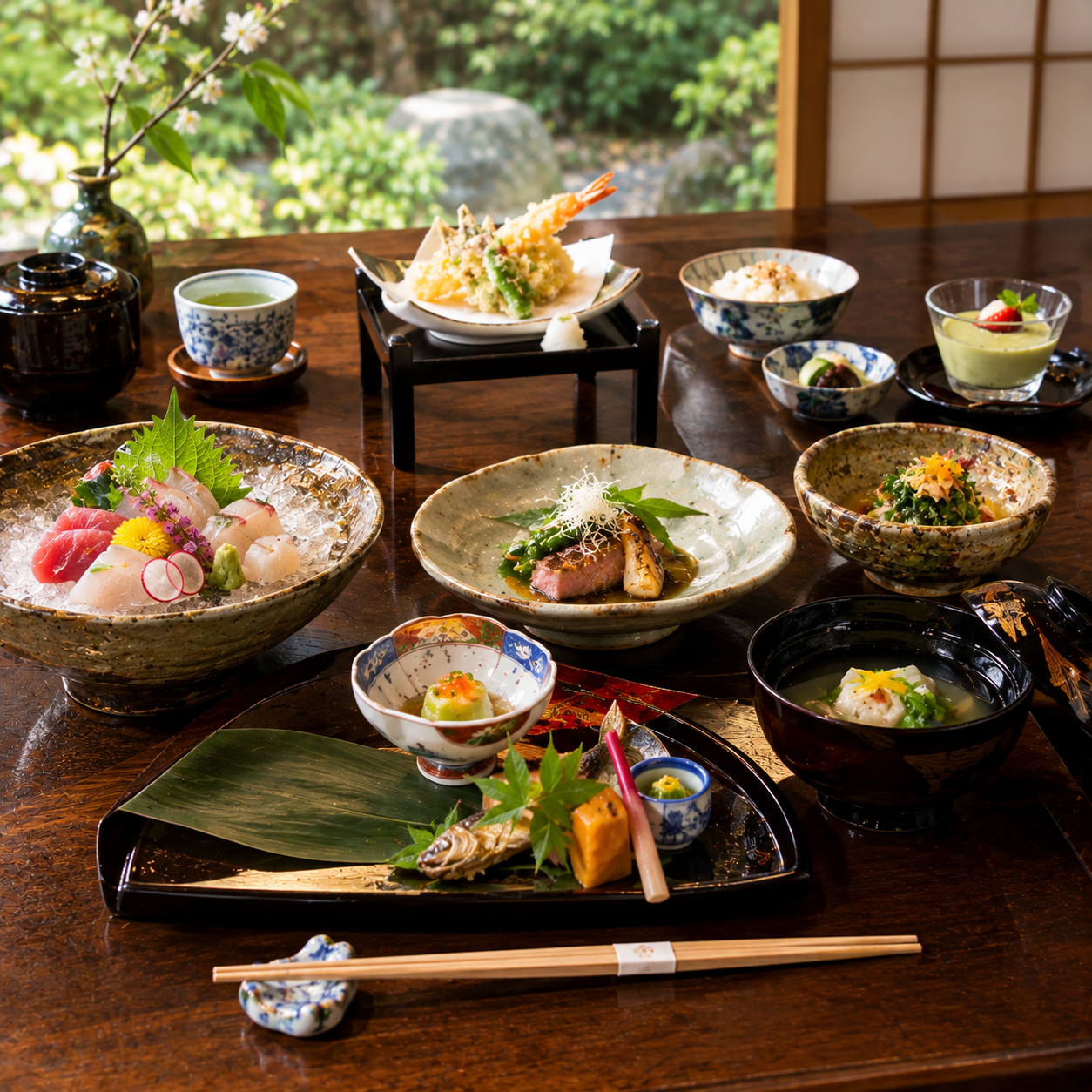
Kaiseki and kappo are among Japan’s most refined culinary traditions, bringing together seasonal ingredients, craftsmanship, and a deep appreciation for balance and presentation.

Kaiseki is a multi-course dining experience centred around seasonal ingredients. Beyond flavour, great importance is placed on the presentation, tableware, aroma, texture, and order in which each dish is served. The experience is designed to express the character of the season through food.

Kappo, meanwhile, often offers a more intimate and flexible experience, particularly at counter-style restaurants where guests can watch the chef prepare each dish. Menus may adapt to the ingredients available that day and the preferences of the guests, allowing chefs greater freedom to express their creativity.

There is no strict boundary between kaiseki and kappo, and the distinction can vary from one restaurant or chef to another. Together, they offer an opportunity to experience the beauty of Japanese cuisine through seasonal ingredients, refined technique, presentation, atmosphere, and the close relationship between chef and guest.

Tempura

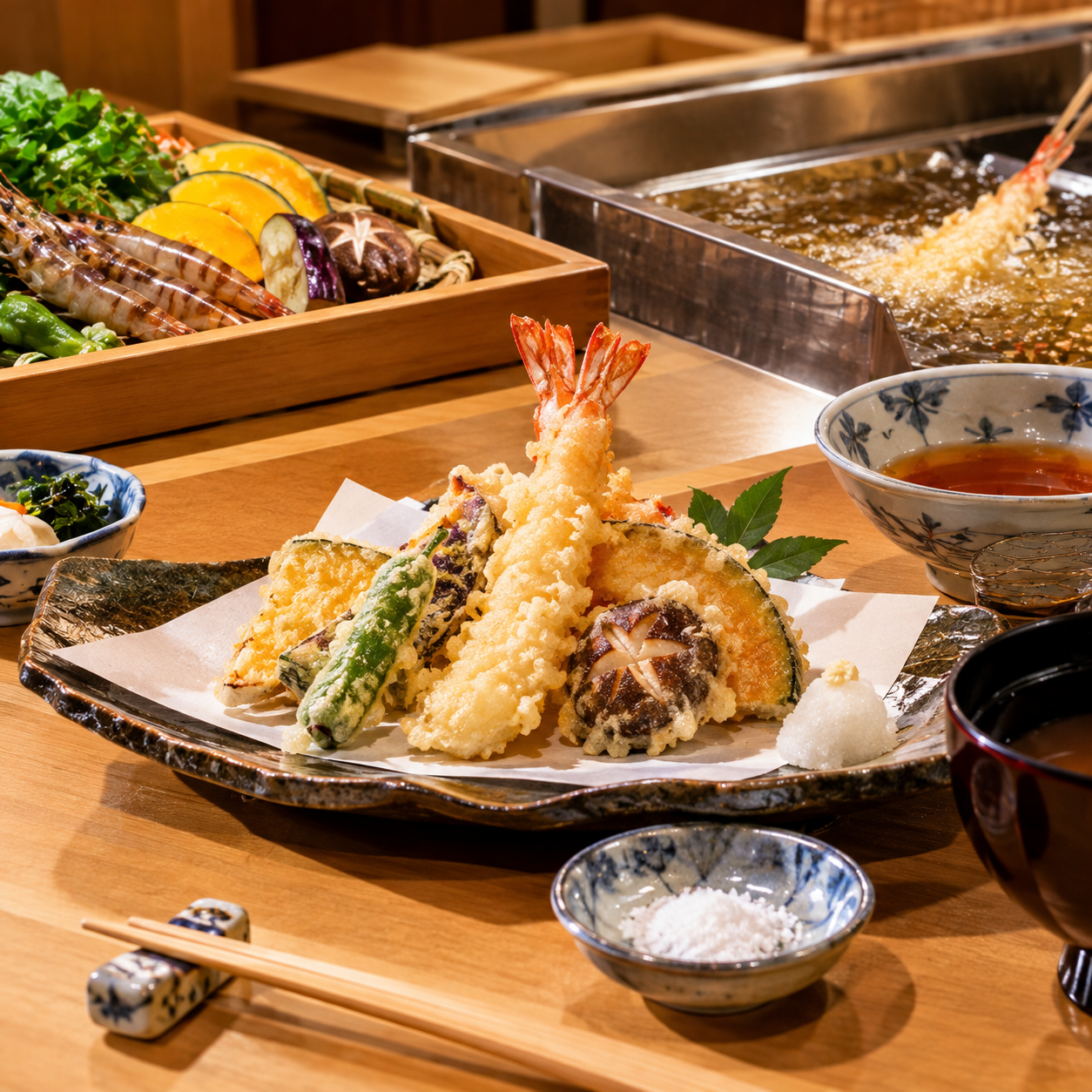
Tempura is one of Japan’s most celebrated dishes, in which seasonal ingredients are delicately coated in a light batter and fried to bring out their natural flavour.

Although the concept may appear simple, tempura requires an extraordinary level of precision. The selection and preparation of each ingredient, composition of the batter, oil temperature, requires extensive knowledge and skill.

Becoming a skilled tempura chef requires years of training, and even the same ingredient can taste remarkably different depending on the chef’s technique.
At refined tempura restaurants, seasonal ingredients are fried one by one in front of guests and served immediately, allowing each piece to be enjoyed at its ideal temperature and texture.

Yakiniku

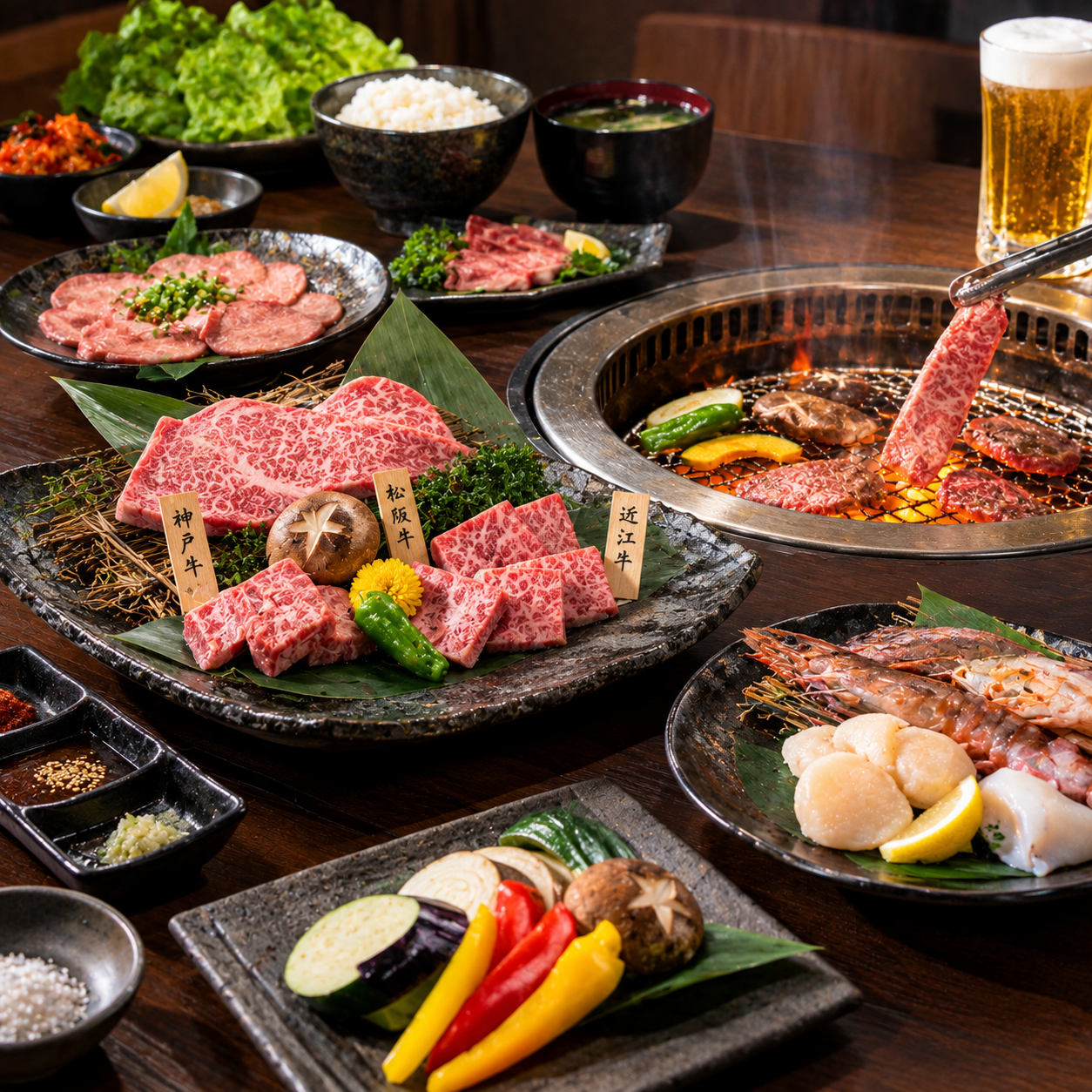
Japanese yakiniku ranges from casual restaurants where guests grill high-quality meat themselves to refined omakase-style experiences where the chef prepares each piece for the diner. Yakiniku is not limited to beef. Pork and chicken, as well as seafood and vegetables, can all be enjoyed grilled over charcoal or a hot grill.

Japan is home to a remarkable variety of Wagyu from different regions, each with its own characteristics in terms of texture, marbling, aroma, and flavour. Wagyu is also defined by a remarkable diversity of breeds and regional brands. Well-known examples include Kobe Beef, Matsusaka Beef, and Omi Beef, while many other regions produce distinctive Wagyu with their own characteristics. Factors such as breed, lineage, region, feeding practices, fat composition, and ageing can all influence the final flavour and texture.

As with sushi, quality is not simply about freshness. The condition of the meat, the ageing process, the cut, thickness, and ideal cooking temperature all contribute to the experience in its entirety.

Whether enjoyed casually around a grill or as a carefully curated course prepared piece by piece by a chef, yakiniku offers a unique way to appreciate the quality of Japanese ingredients and the art of grilling.

Yakitori

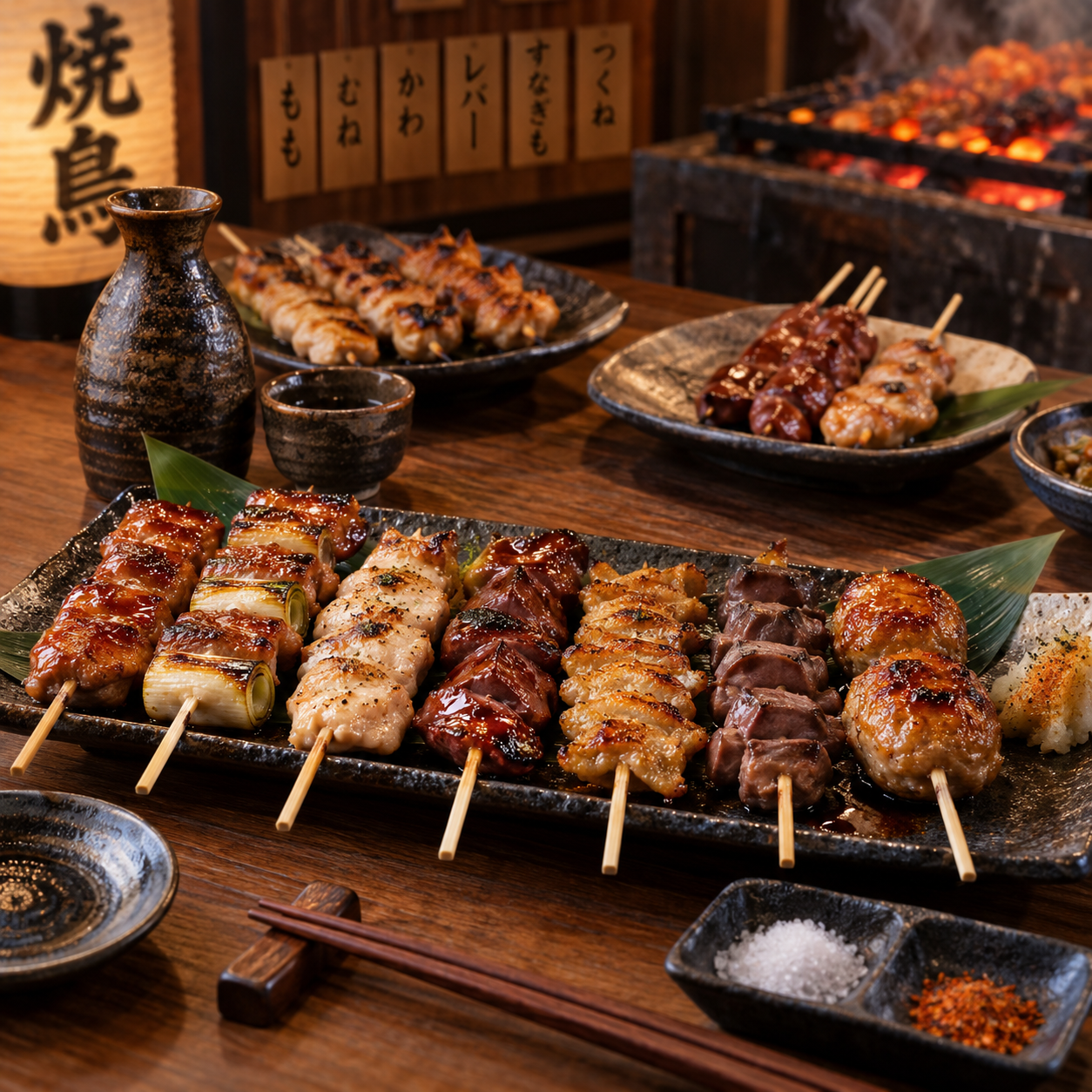
Yakitori is a quintessential Japanese dish in which bite-sized pieces of chicken are skewered and grilled, traditionally over charcoal. One of its charms is the variety of cuts available. Beyond familiar thigh and breast meat, guests can enjoy chicken skin, liver, gizzard, tsukune meatballs, and many other parts of the bird.

Yakitori is typically seasoned either with salt or with a sweet-and-savory tare sauce made primarily from soy sauce. Each restaurant may have its own recipe and balance of flavours, with some sauces being carefully maintained and refined over many years.
At high-quality yakitori restaurants, great attention is paid to the breed and quality of the chicken, the preparation of each cut, the charcoal, the heat, and the precise cooking time.

Japan is also home to a wide variety of Jidori, or premium regional chicken breeds, each with its own characteristics in terms of flavour, texture, and richness. Famous examples include Hinai Jidori from Akita, Nagoya Cochin from Aichi, and Satsuma Jidori from Kagoshima. The breed, how the chicken is raised, and the length of the rearing period can all influence the character of the meat, making the choice of chicken an important part of the yakitori experience.

From casual neighbourhood establishments to intimate counter-style omakase experiences, yakitori offers a fascinating insight into the Japanese approach to transforming simple ingredients through technique.

Teppanyaki

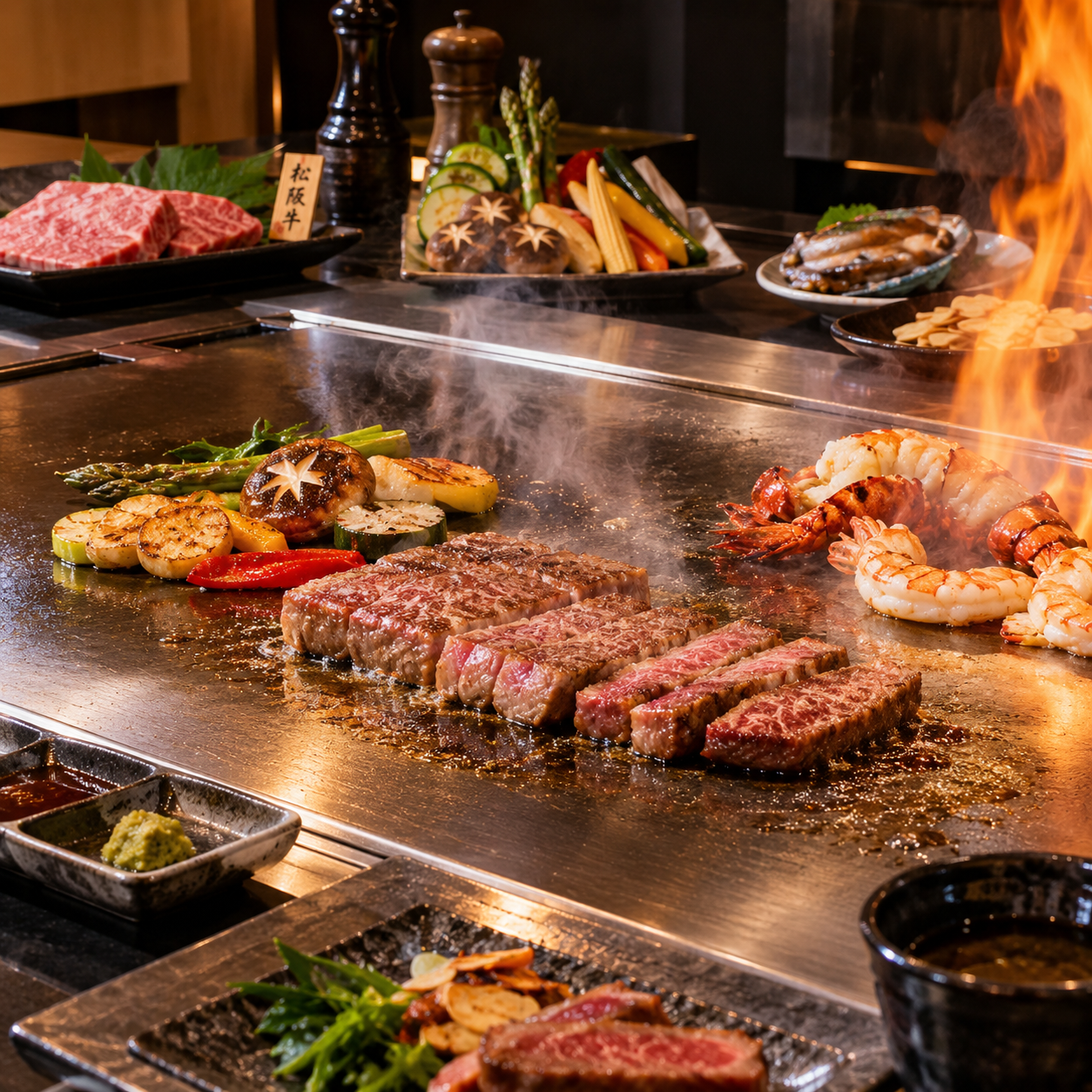
Teppanyaki is a style of dining in which meat, seafood, vegetables, and other ingredients are prepared on a hot iron griddle directly in front of the guests. Unlike yakiniku, where diners typically grill the ingredients themselves, teppanyaki is generally prepared by the chef, who controls the heat and cooking time according to each ingredient and serves the finished dishes as part of a course.

At high-end restaurants, premium Japanese Wagyu from different regions of Japan is often featured alongside seasonal seafood and vegetables. The preparation itself is an integral part of the experience. Guests can watch the chef select, season, sear, and present each ingredient, making teppanyaki a dining experience that engages all the senses.

Unagi

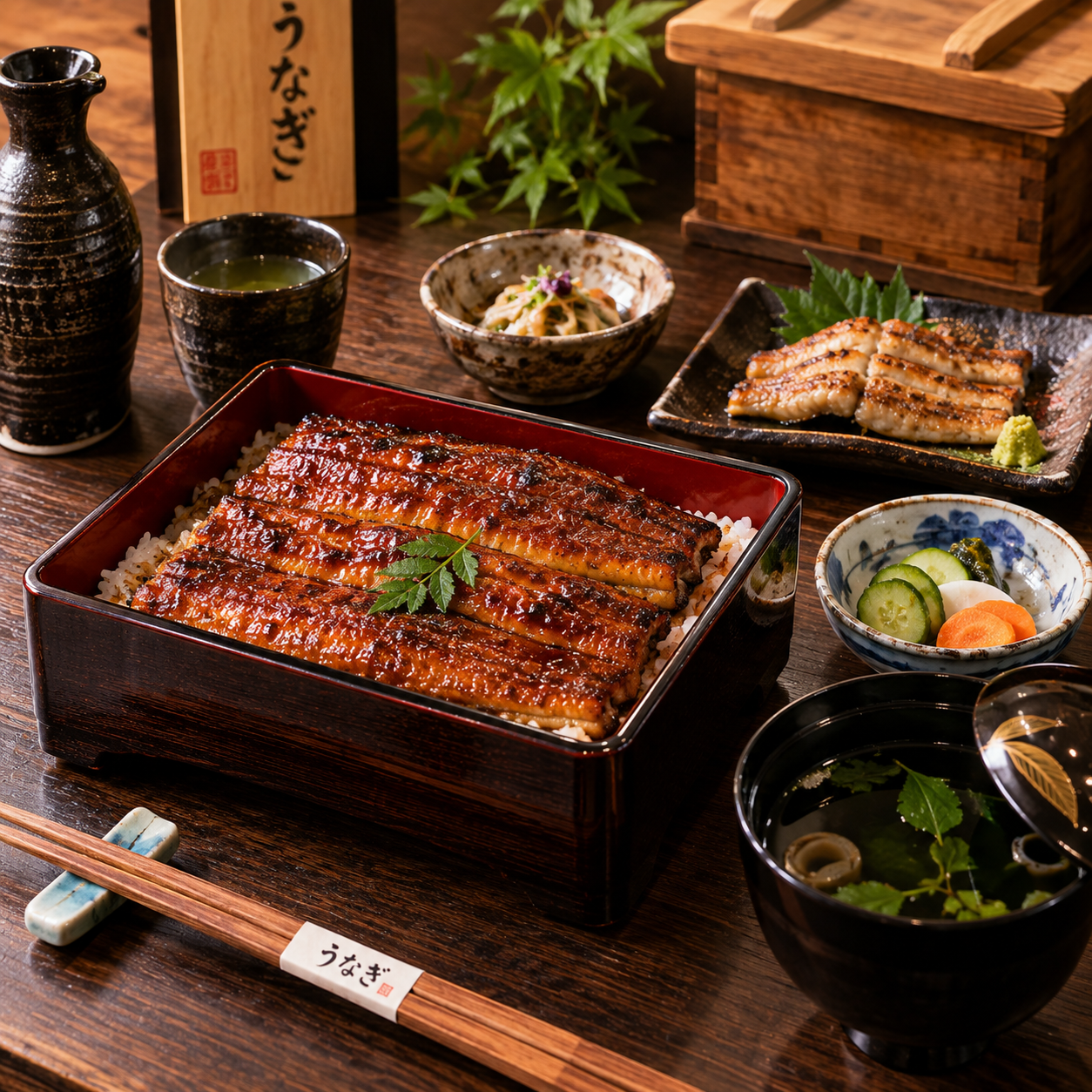
Unagi is a freshwater eel; a long, slender fish with tender flesh that has been enjoyed in Japan for centuries.

One of the most iconic preparations is unagi kabayaki. The combination of smoky, crisp skin, tender flesh, and rich sweet-and-savoury sauce is distinctly Japanese. Specialist unagi restaurants often have their own approach to grilling, steaming, and preparing the eel, as well as their own carefully maintained tare sauce. In addition to kabayaki and shirayaki, in which the eel is grilled without sauce, some restaurants make use of different parts of the eel in a variety of dishes.

Unagi is closely associated with Japanese summer traditions. It is particularly popular during July and August, when it is traditionally enjoyed as a nourishing food to help maintain strength during the hottest months. Whereas, late autumn through early winter is considered another excellent period for unagi, when the eel develops a richer flavour and higher fat content.

Nabe

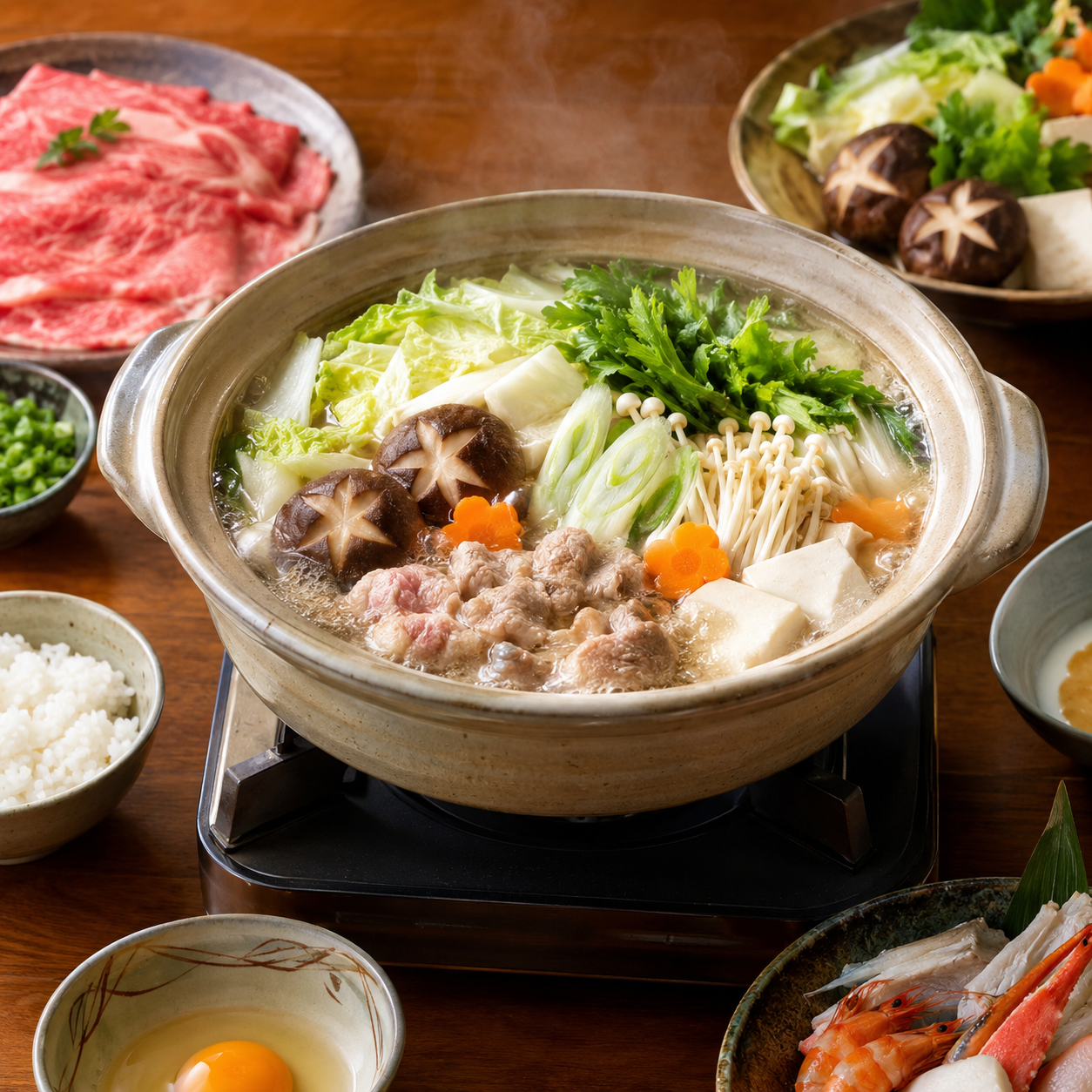
Nabe refers to a broad range of Japanese hot-pot dishes in which various ingredients are cooked together in a flavourful broth and enjoyed around the table.

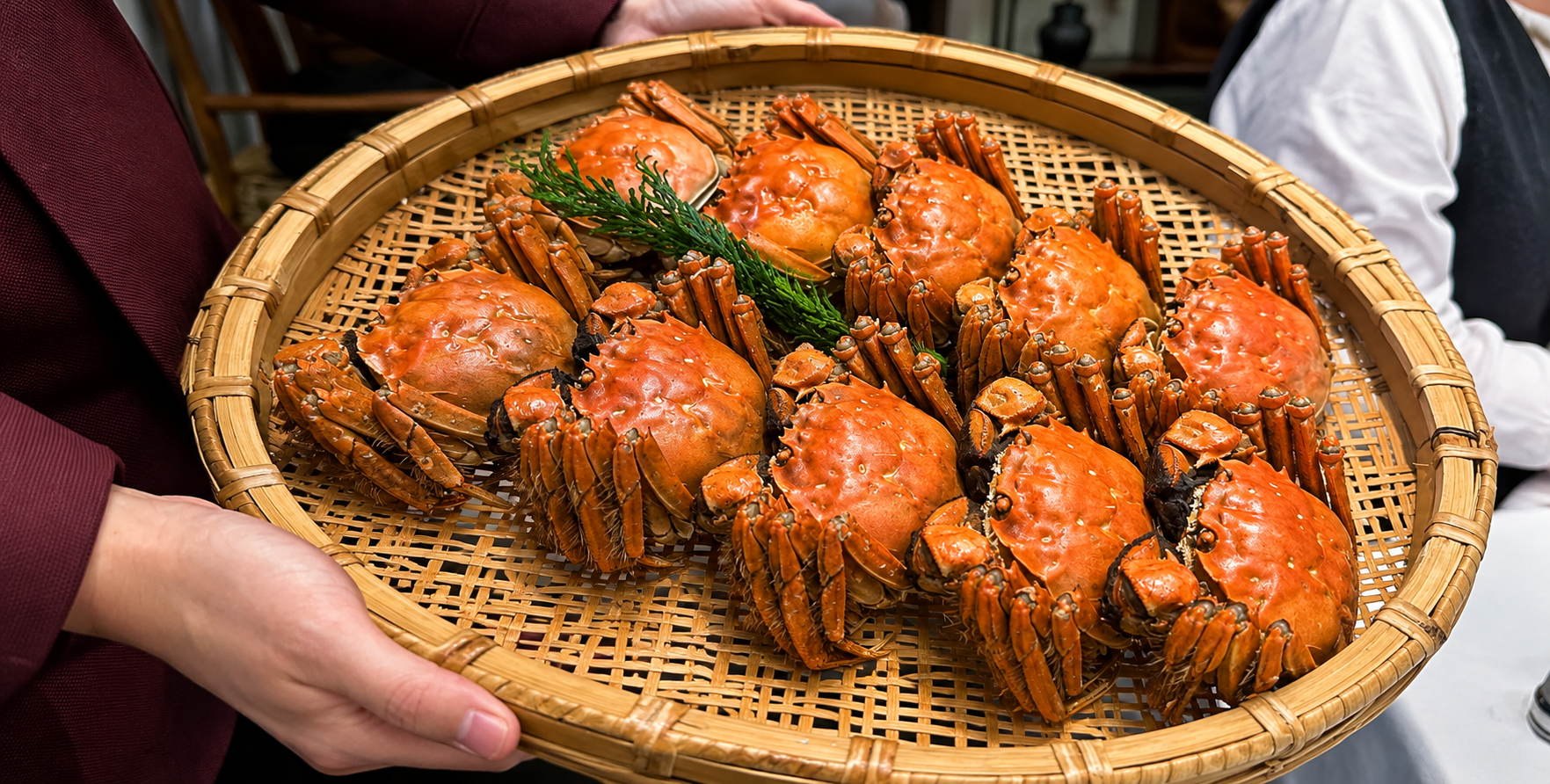
The ingredients vary according to the season and style of the dish. Common ingredients include napa cabbage, green onions, mushrooms, tofu, and other vegetables, together with beef, pork, chicken, or seafood. Seasonal specialities may feature ingredients such as crab, oysters, or locally caught fish.

The broth can range from delicate dashi made from ingredients such as kombu and bonito flakes to richer miso, soy sauce, or salt-based broths, with each region and restaurant offering its own interpretation.

Sukiyaki

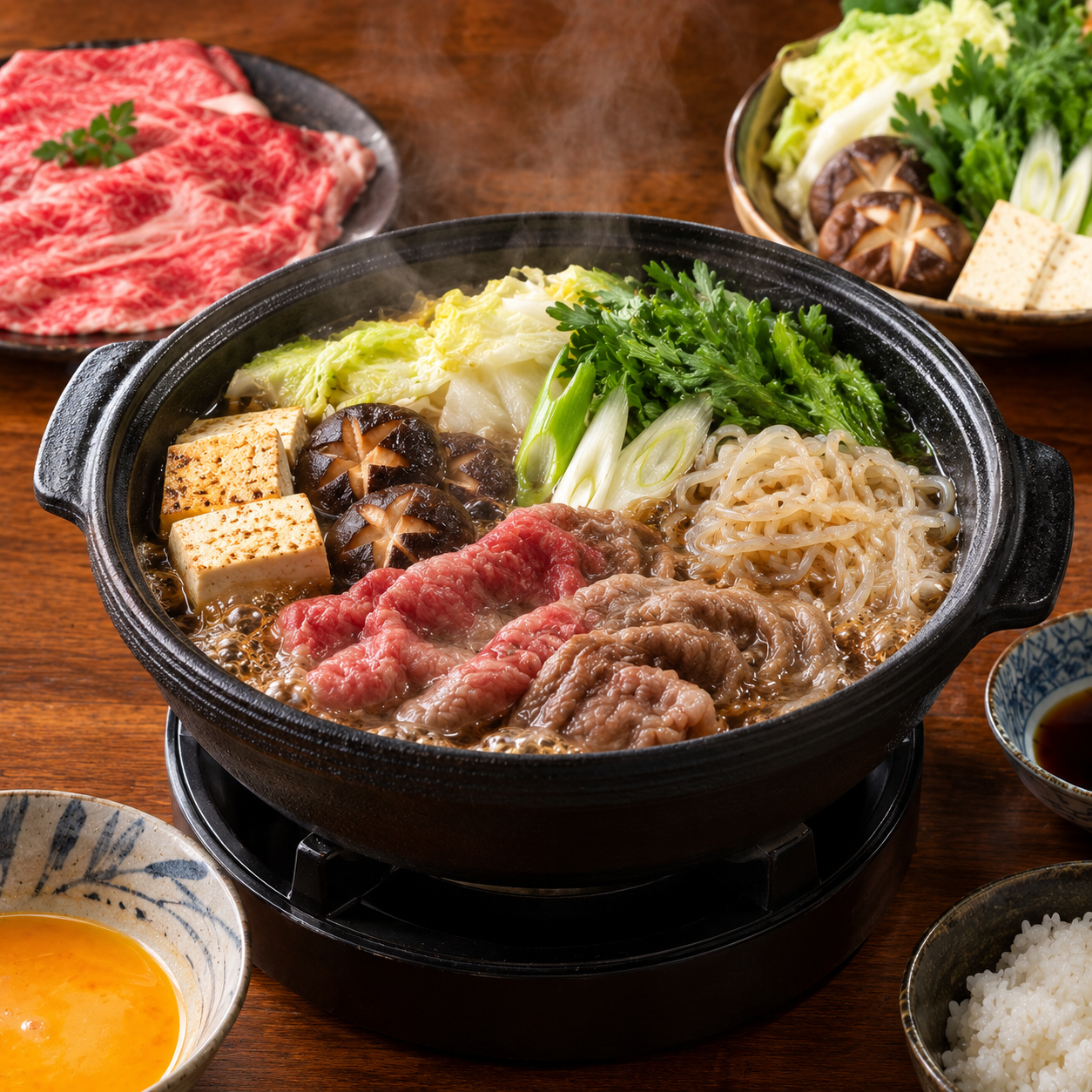
Sukiyaki is a classic Japanese hot-pot dish featuring thinly sliced beef simmered in a sweet and savory sauce made with soy sauce, sugar, and mirin.

The beef is typically accompanied by ingredients such as green onions, napa cabbage, shungiku (chrysanthemum greens), mushrooms, grilled tofu, and shirataki noodles, and is traditionally dipped into beaten raw egg before eating. When made with premium Wagyu, sukiyaki allows guests to fully appreciate the rich flavour and delicate sweetness of the beef.

Shabu-Shabu

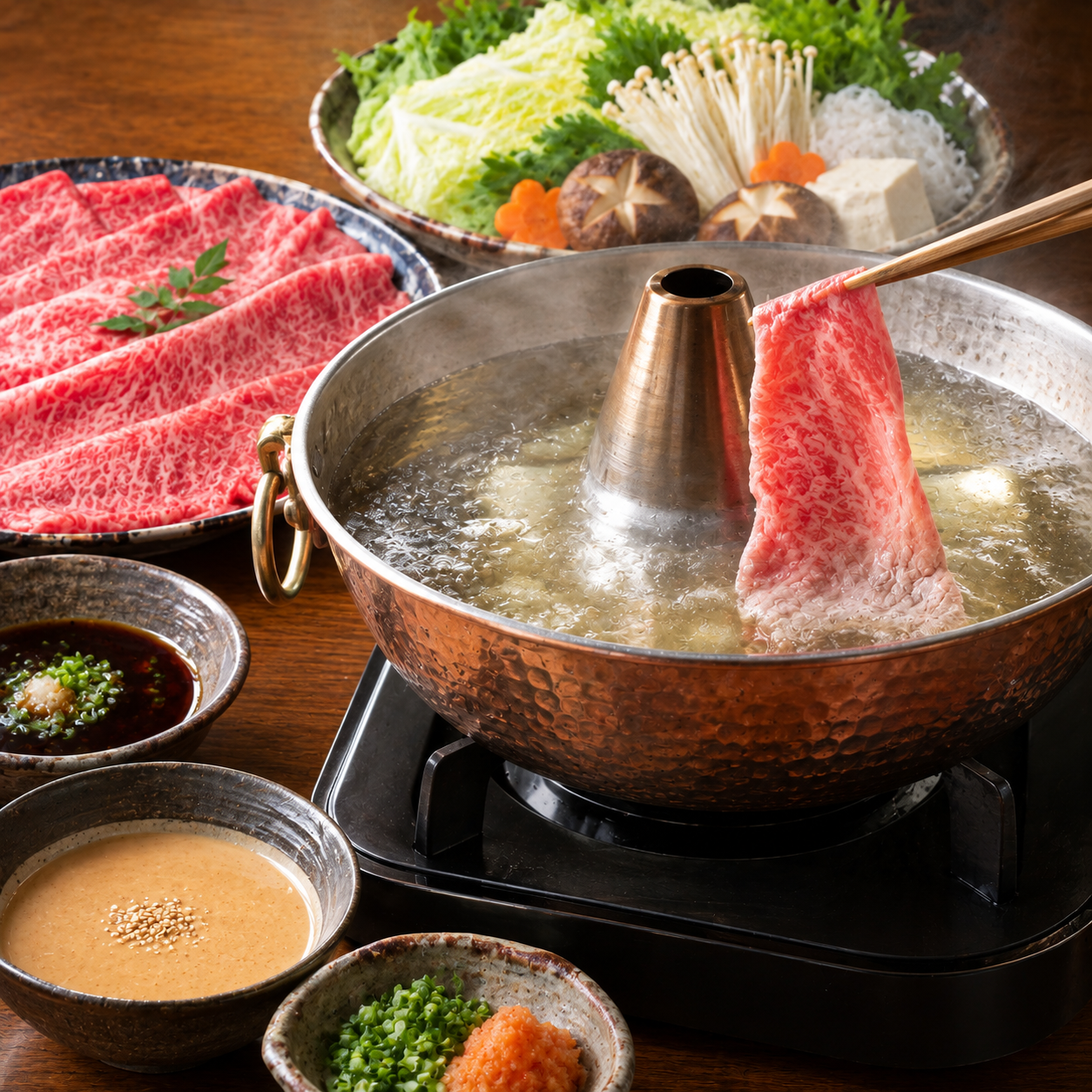
Shabu-shabu is a Japanese hot-pot dish in which thinly sliced beef or pork is briefly cooked in a light broth. The name comes from the motion of holding the meat with chopsticks and gently swishing it back and forth several times in the hot broth to cook it.
Vegetables, tofu, and other ingredients are also cooked in the broth and enjoyed together with the meat.

Common dipping sauces include ponzu, a refreshing citrus-based sauce made with soy sauce, and goma-dare, a rich and creamy sesame-based sauce. These sauces add contrasting flavours and allow each guest to enjoy the ingredients according to their preference.

Premium Wagyu shabu-shabu offers a particularly refined experience, highlighting the quality of the beef and the delicate control of its cooking.

Chanko Nabe

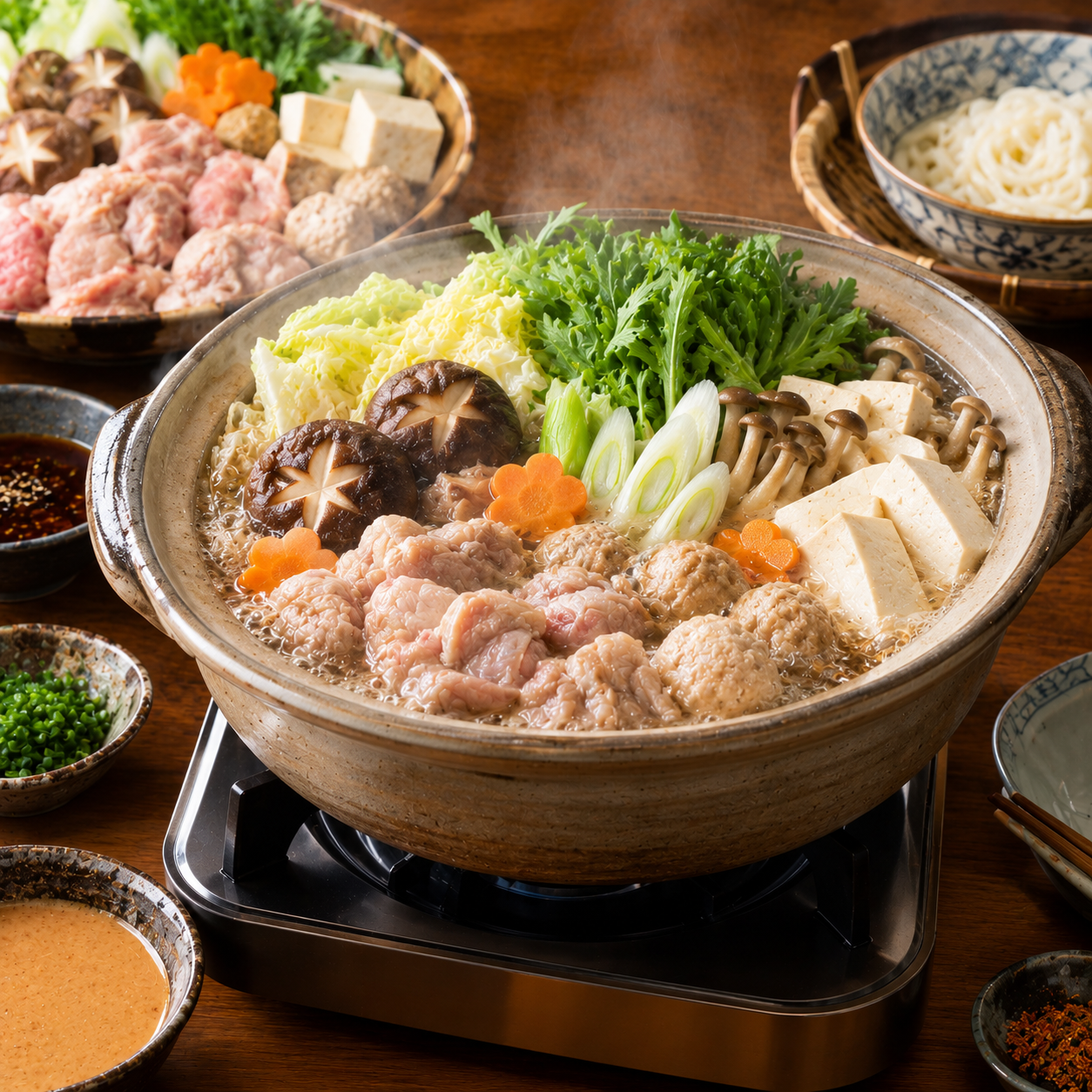
Chanko nabe is a hearty hot-pot dish famously associated with sumo wrestlers and sumo stables. It typically combines a wide variety of ingredients such as chicken, pork, seafood, tofu, napa cabbage, green onions, and mushrooms. There are no strict rules regarding the ingredients or seasoning, and each sumo stable may have its own distinctive recipe.

The broth may be seasoned with miso, soy sauce, salt, or other flavours, making every chanko nabe experience slightly different.
Originally developed as a nutritious meal to support the physical demands of sumo wrestlers, chanko nabe offers an opportunity to experience both Japanese food culture and the traditions of sumo.
If you are interested in sumo, we particularly recommend experiencing chanko nabe alongside a visit to a sumo tournament or other sumo-related experience.

Ramen

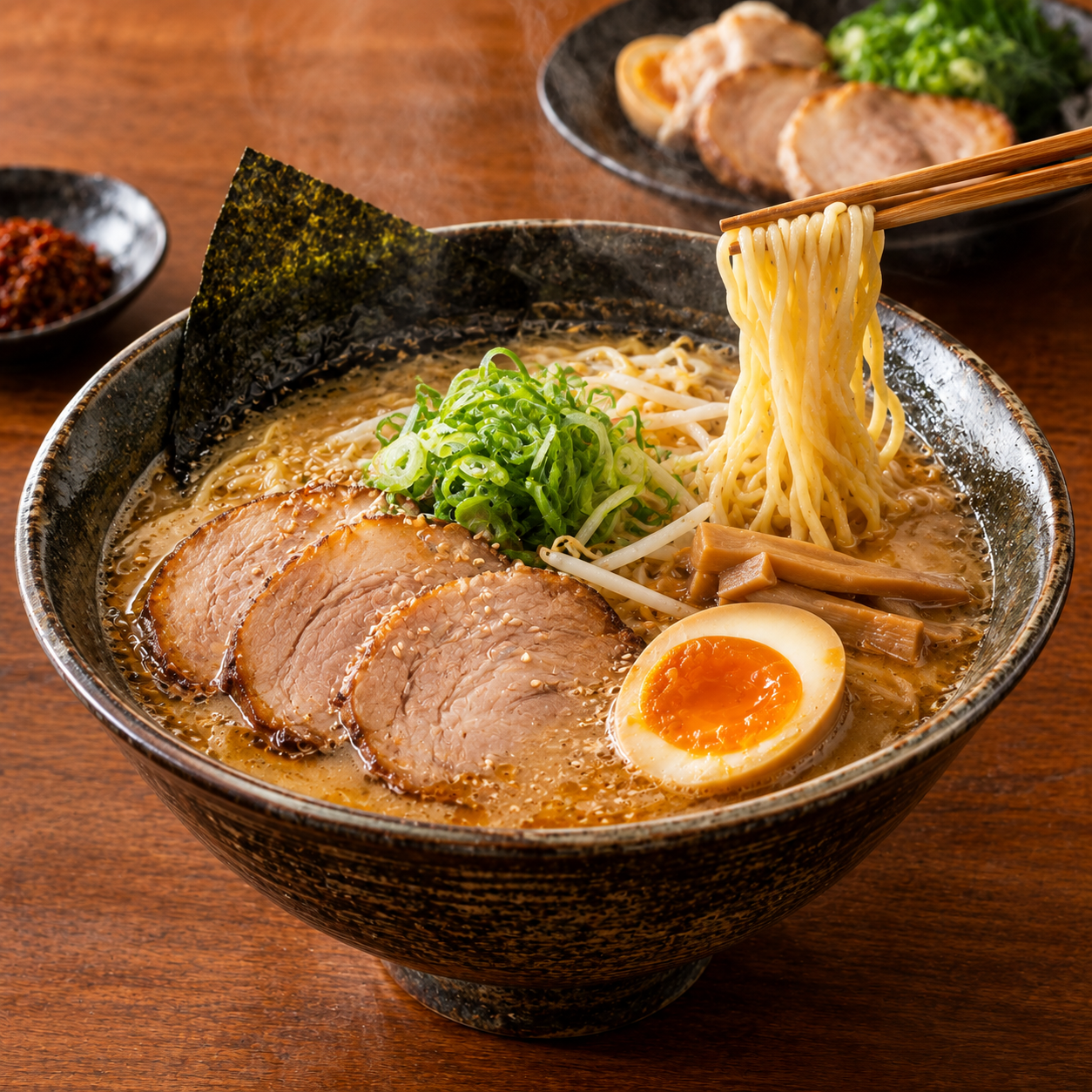
Ramen is one of Japan’s most iconic dishes. It is delicious, accessible, and relatively affordable, making it an important part of everyday dining culture in Japan.

The most familiar styles include shio (salt), shoyu (soy sauce), and miso ramen, while regional variations and individual interpretations can be found throughout the country.
The appeal of ramen lies not only in the soup but also in the noodles. Their thickness, texture, shape, and degree of firmness can vary considerably, with each chef carefully balancing the noodles with the broth.

Slow-cooked broths, tsukemen dipping sauces, house-made noodles, toppings such as chashu and eggs, and creative regional interpretations all contribute to the character of each bowl. A bowl of ramen brings together Japanese culinary culture, craftsmanship, and creativity in a simple yet deeply satisfying form.

Udon

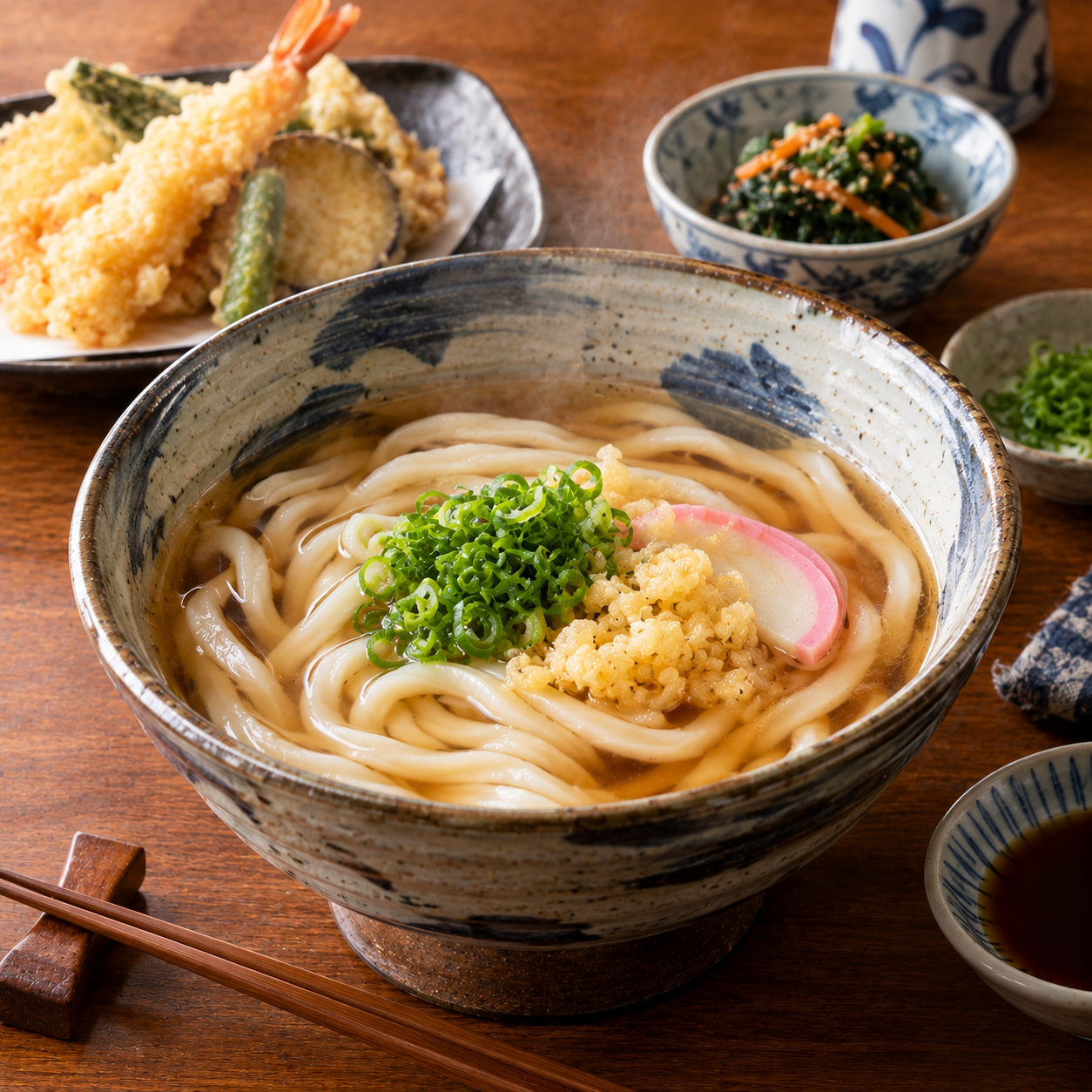
Udon is one of Japan’s most traditional noodle dishes, made from wheat flour and known for its thick, satisfying noodles.

Its apparent simplicity allows the texture of the noodles and the flavour of the broth or dipping sauce to take centre stage.

Japan has a remarkable variety of regional udon traditions. These include the famously springy Sanuki Udon from Kagawa, the fine and silky Inaniwa Udon from Akita, the broad, flat kishimen associated with Nagoya, and hoto, a wide noodle dish from Yamanashi.

Exploring regional varieties of udon is a simple yet rewarding way to discover the diversity of Japanese food culture.

Demo | Washoku – Japanese Cuisine