Dining & Gourmet

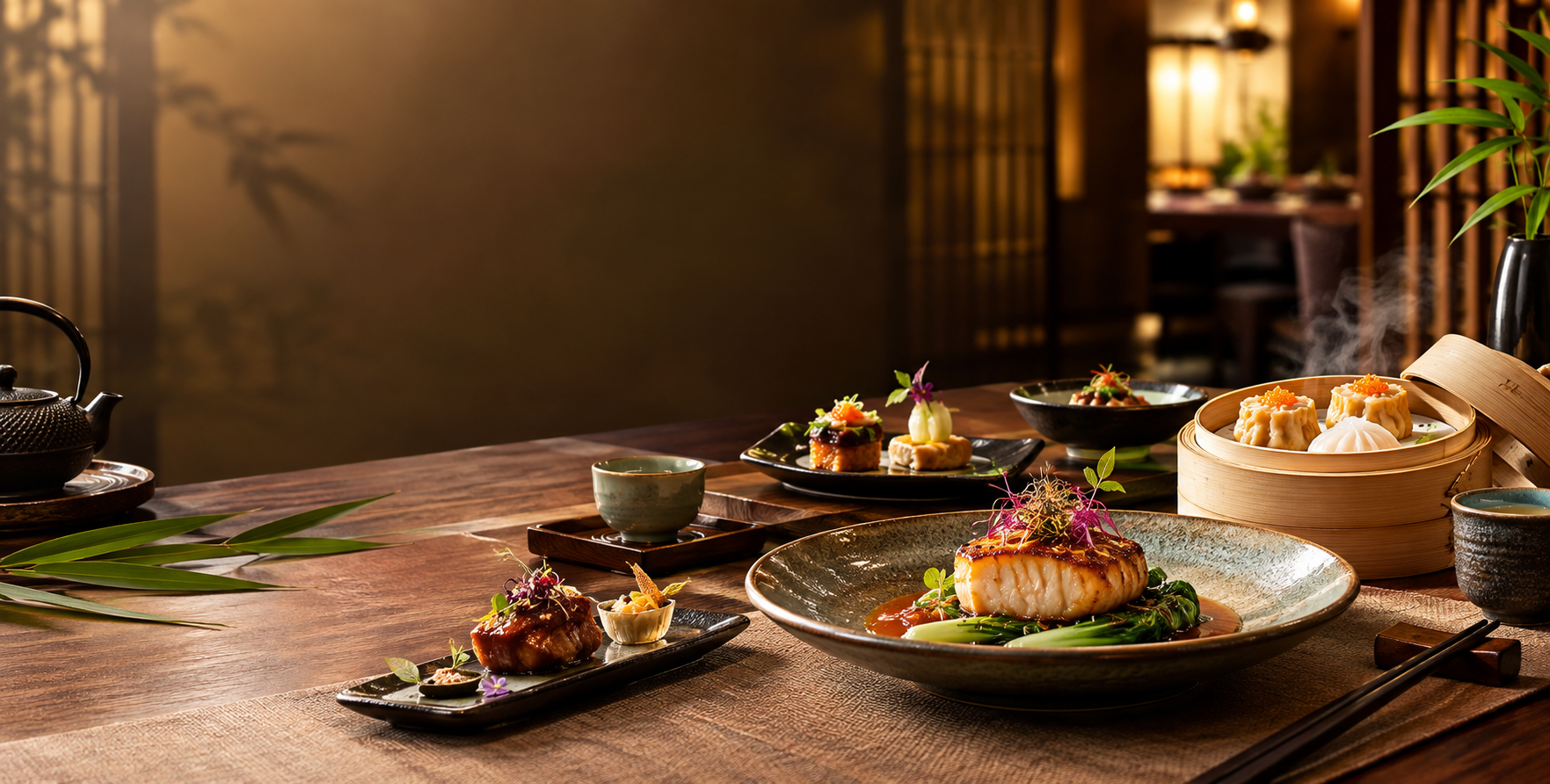
Japanese cuisine is far more diverse than the familiar icons of sushi, ramen, and tempura. The culinary culture of Japan is shaped by the changing seasons, regional ingredients, generations of culinary tradition, and the highly individual approach of each chef. Even within the same genre of cuisine, each restaurant and chef can offer a distinctly different perspective and style. From refined traditional cuisine to everyday comfort food and contemporary interpretations, Japan offers an extraordinary variety of dining experiences.

At Familia Travel, our team of Luxury Travel Advisors can assist with all requirements in your bespoke culinary journey. Our services include; restaurant recommendations and reservations to thoughtfully curated dining experiences tailored to your preferences, travel style, and interests. Whether you are looking to experience renowned restaurants, explore regional specialities, experience seasonal cuisine, or find something beyond the familiar, we can help create dining experiences that complement your journey

If you have a particular cuisine or dining experience in mind, please let us know. We would be happy to explore options that suit your interests and preferences.
Washoku - Japanese Cuisine

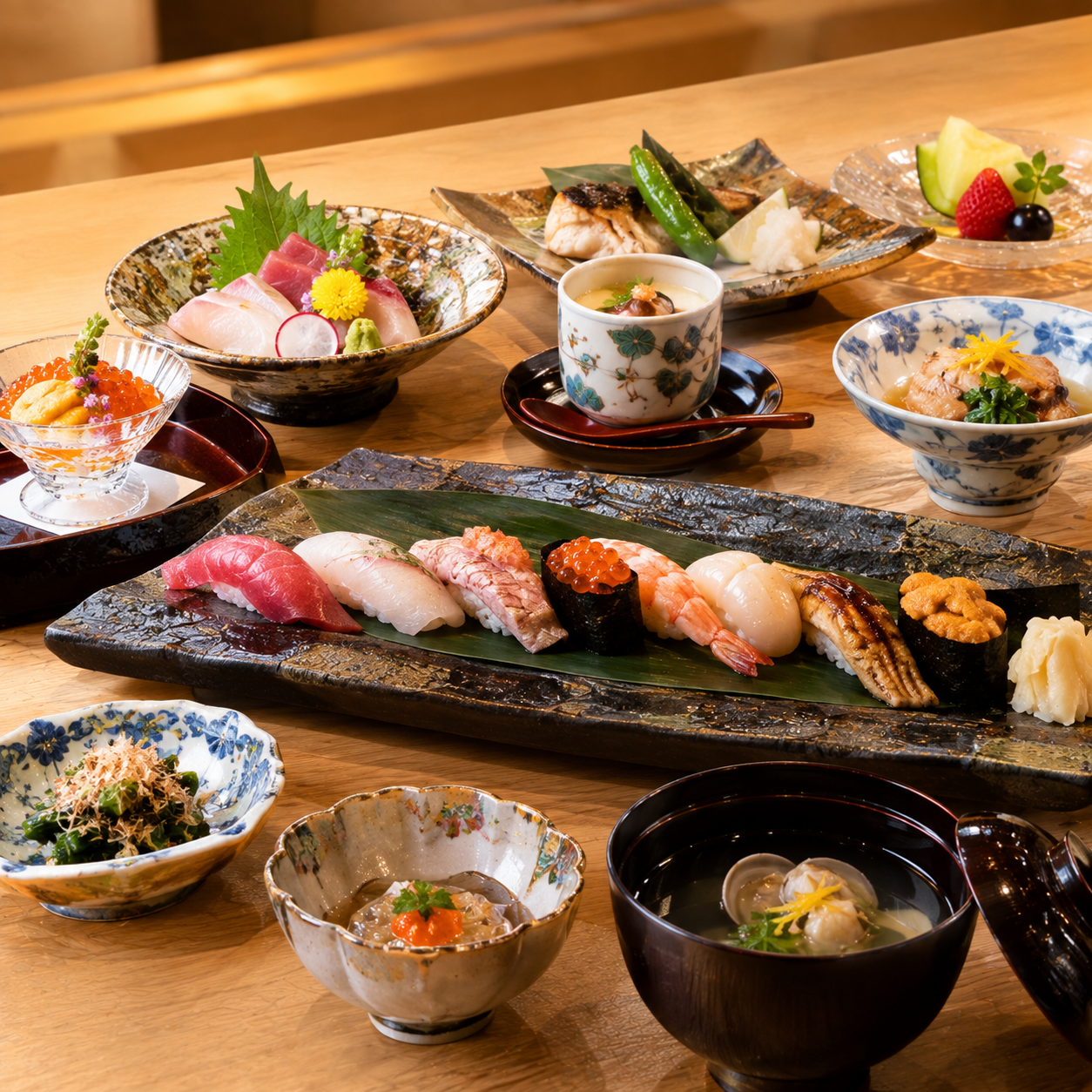
The Japanese sushi experience ranges from highly accessible options such as kaiten-zushi (conveyor-belt sushi) and standing sushi bars to intimate omakase dining and exclusive sushi restaurants offering a special à la carte experience.

At the finest sushi restaurants; quality and seasonality of the seafood are held in high regard and paired with shari (sushi rice) to create the perfect bite. Chefs consider the freshness, richness, preparation, ageing of each piece of seafood, as well as when it is at its peak in flavour. The same fish can offer remarkably different flavours and texture depending on its season, origin, preparation, and the temperature at which it is served.
Sushi is therefore not simply about eating fresh seafood. It is also about experiencing the chef’s knowledge, aging process, judgement, and technique in bringing out the natural character of each ingredient.

An omakase experience may also include seasonal otsumami, or small dishes, allowing guests to experience a broader range of Japanese seafood and seasonal flavours as part of a complete dining journey.

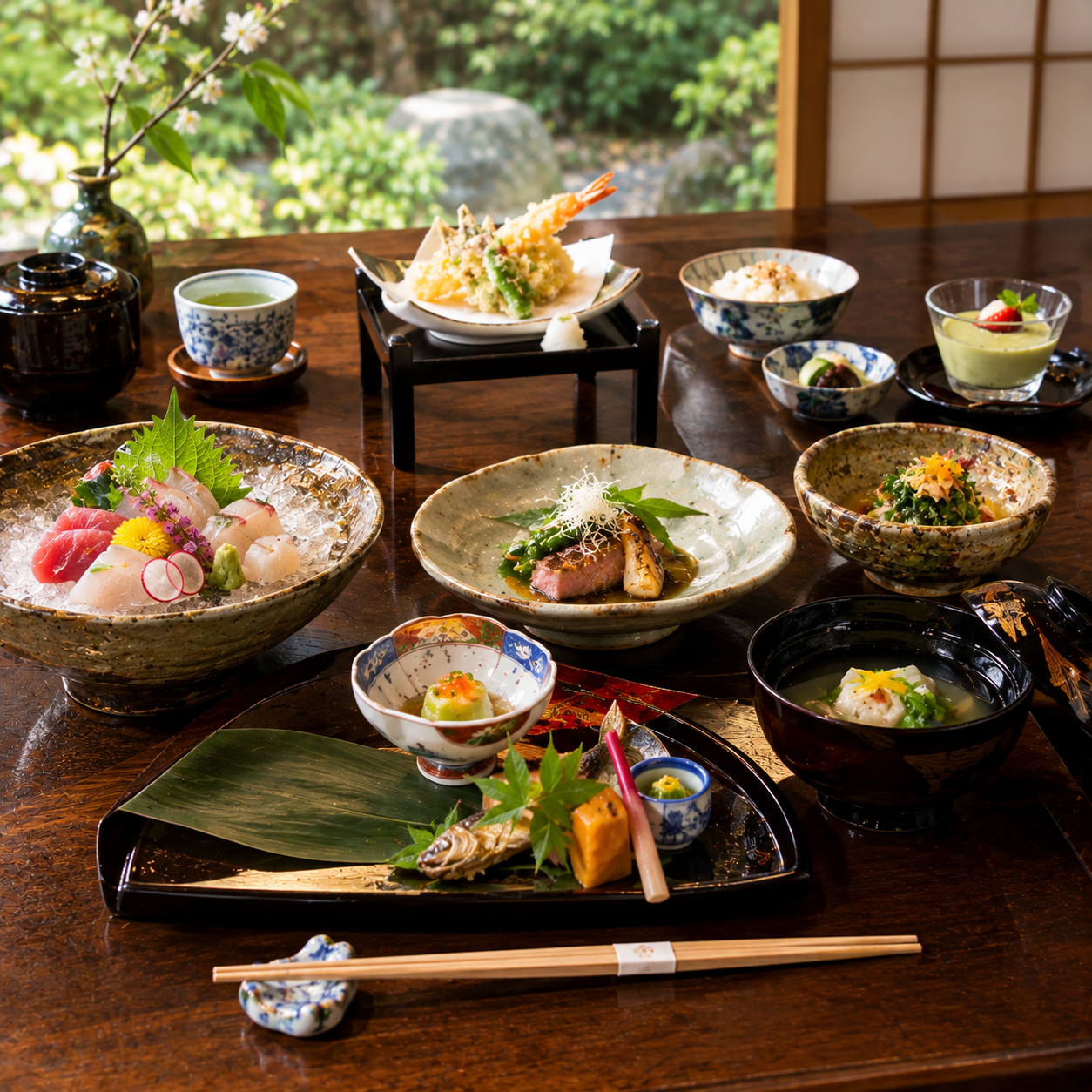
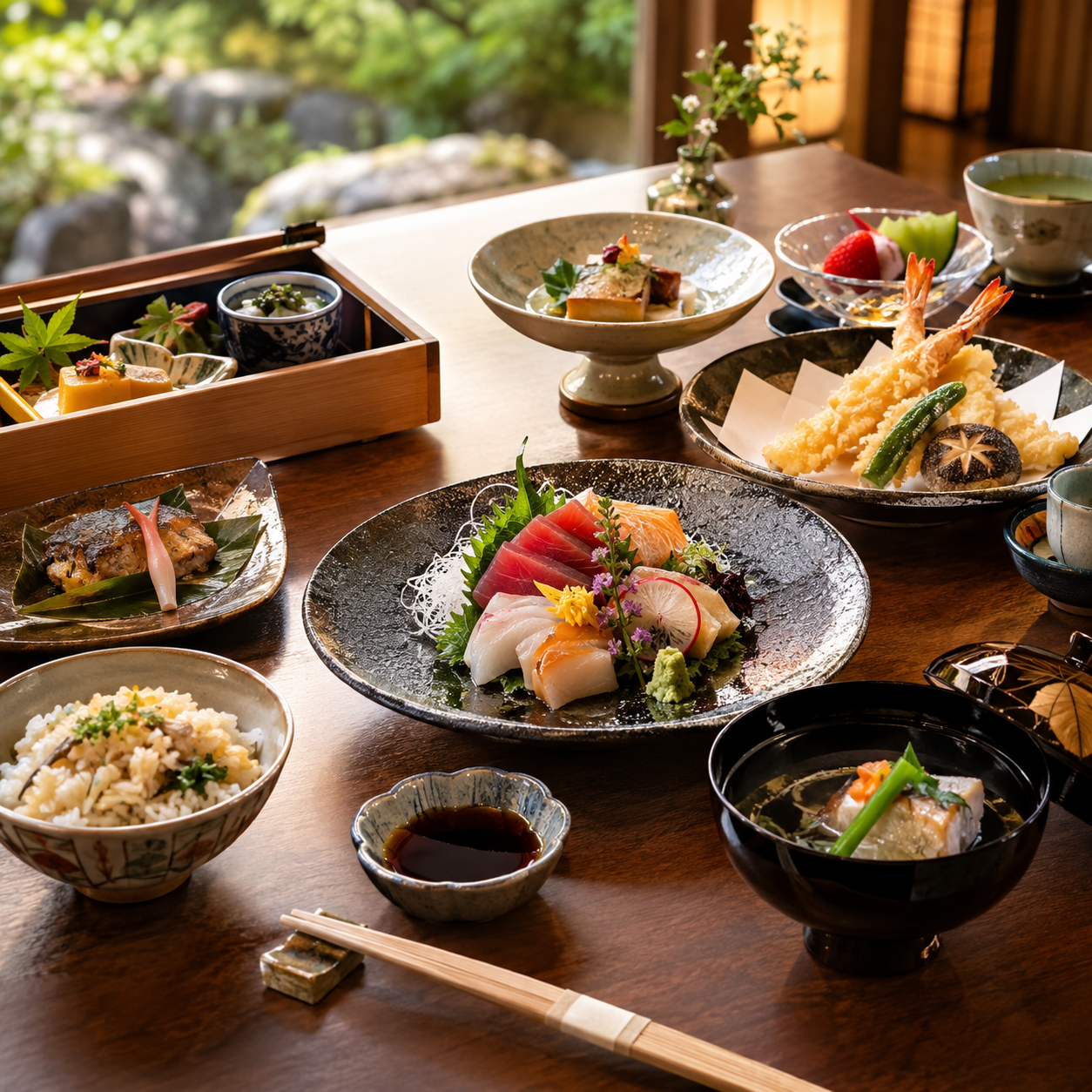
Kaiseki and kappo are among Japan’s most refined culinary traditions, bringing together seasonal ingredients, craftsmanship, and a deep appreciation for balance and presentation.

Kaiseki is a multi-course dining experience centred around seasonal ingredients. Beyond flavour, great importance is placed on the presentation, tableware, aroma, texture, and order in which each dish is served. The experience is designed to express the character of the season through food.

Kappo, meanwhile, often offers a more intimate and flexible experience, particularly at counter-style restaurants where guests can watch the chef prepare each dish. Menus may adapt to the ingredients available that day and the preferences of the guests, allowing chefs greater freedom to express their creativity.

There is no strict boundary between kaiseki and kappo, and the distinction can vary from one restaurant or chef to another. Together, they offer an opportunity to experience the beauty of Japanese cuisine through seasonal ingredients, refined technique, presentation, atmosphere, and the close relationship between chef and guest.

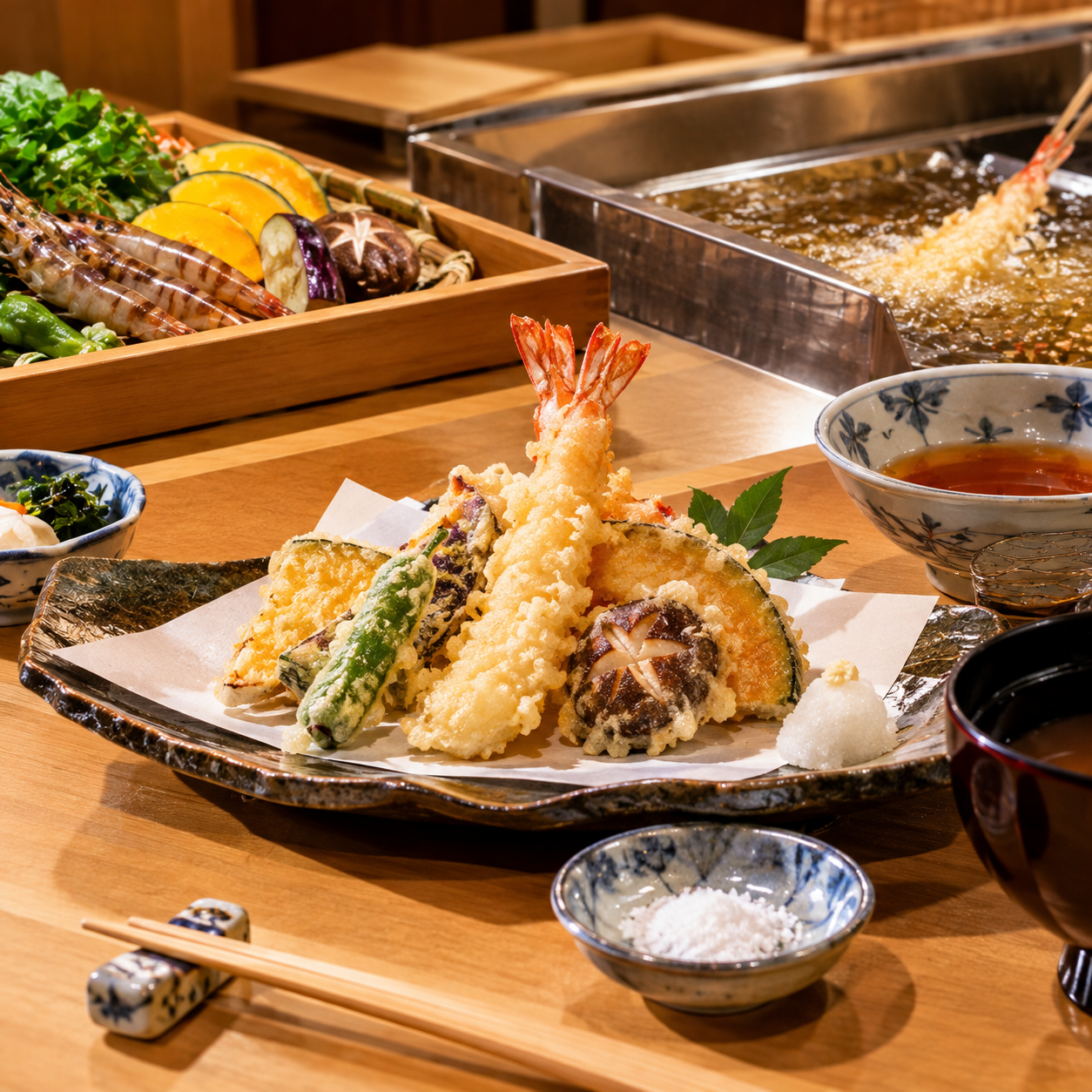
Tempura is one of Japan’s most celebrated dishes, in which seasonal ingredients are delicately coated in a light batter and fried to bring out their natural flavour.

Although the concept may appear simple, tempura requires an extraordinary level of precision. The selection and preparation of each ingredient, composition of the batter, oil temperature, requires extensive knowledge and skill.

Becoming a skilled tempura chef requires years of training, and even the same ingredient can taste remarkably different depending on the chef’s technique.
At refined tempura restaurants, seasonal ingredients are fried one by one in front of guests and served immediately, allowing each piece to be enjoyed at its ideal temperature and texture.

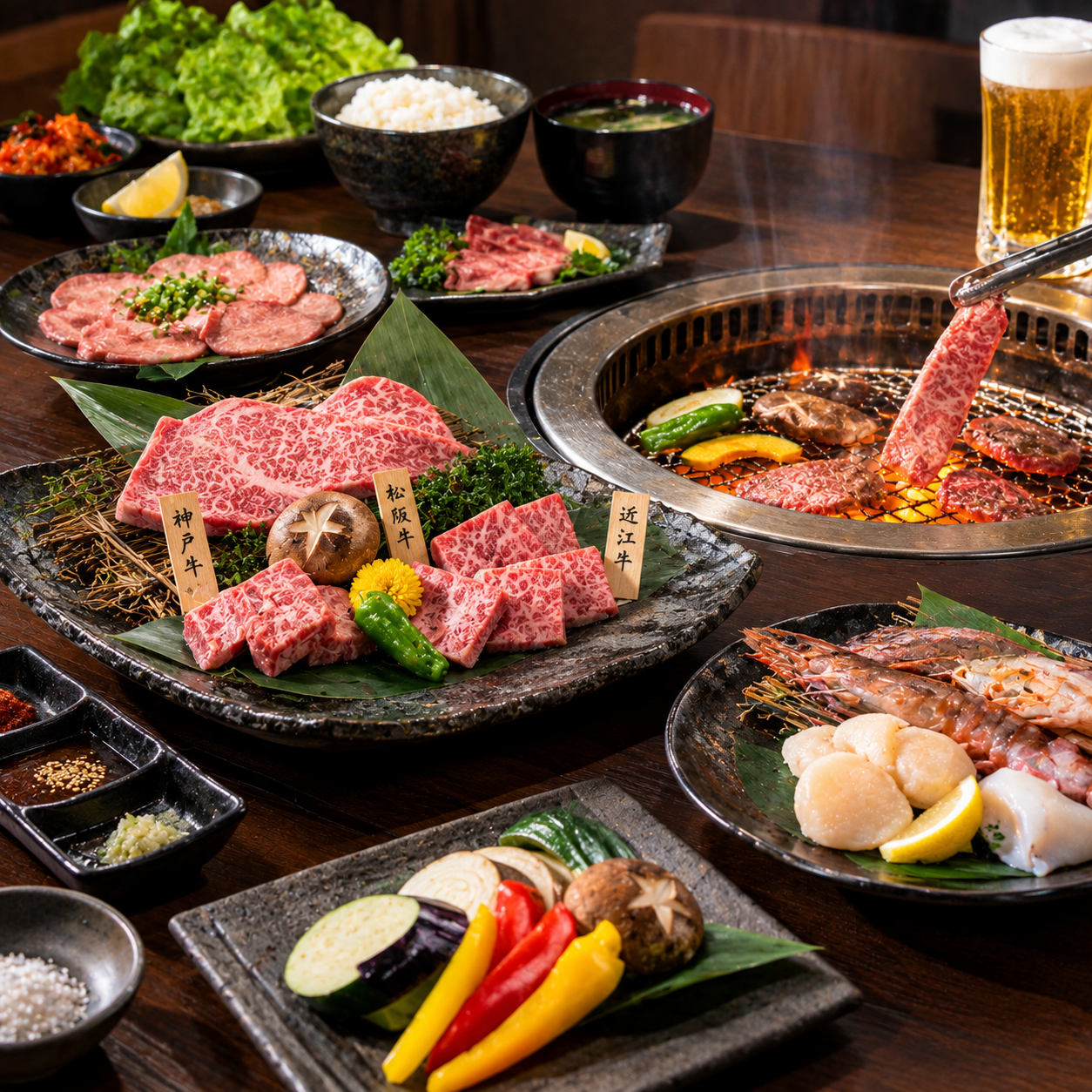
Japanese yakiniku ranges from casual restaurants where guests grill high-quality meat themselves to refined omakase-style experiences where the chef prepares each piece for the diner. Yakiniku is not limited to beef. Pork and chicken, as well as seafood and vegetables, can all be enjoyed grilled over charcoal or a hot grill.

Japan is home to a remarkable variety of Wagyu from different regions, each with its own characteristics in terms of texture, marbling, aroma, and flavour. Wagyu is also defined by a remarkable diversity of breeds and regional brands. Well-known examples include Kobe Beef, Matsusaka Beef, and Omi Beef, while many other regions produce distinctive Wagyu with their own characteristics. Factors such as breed, lineage, region, feeding practices, fat composition, and ageing can all influence the final flavour and texture.

As with sushi, quality is not simply about freshness. The condition of the meat, the ageing process, the cut, thickness, and ideal cooking temperature all contribute to the experience in its entirety.

Whether enjoyed casually around a grill or as a carefully curated course prepared piece by piece by a chef, yakiniku offers a unique way to appreciate the quality of Japanese ingredients and the art of grilling.

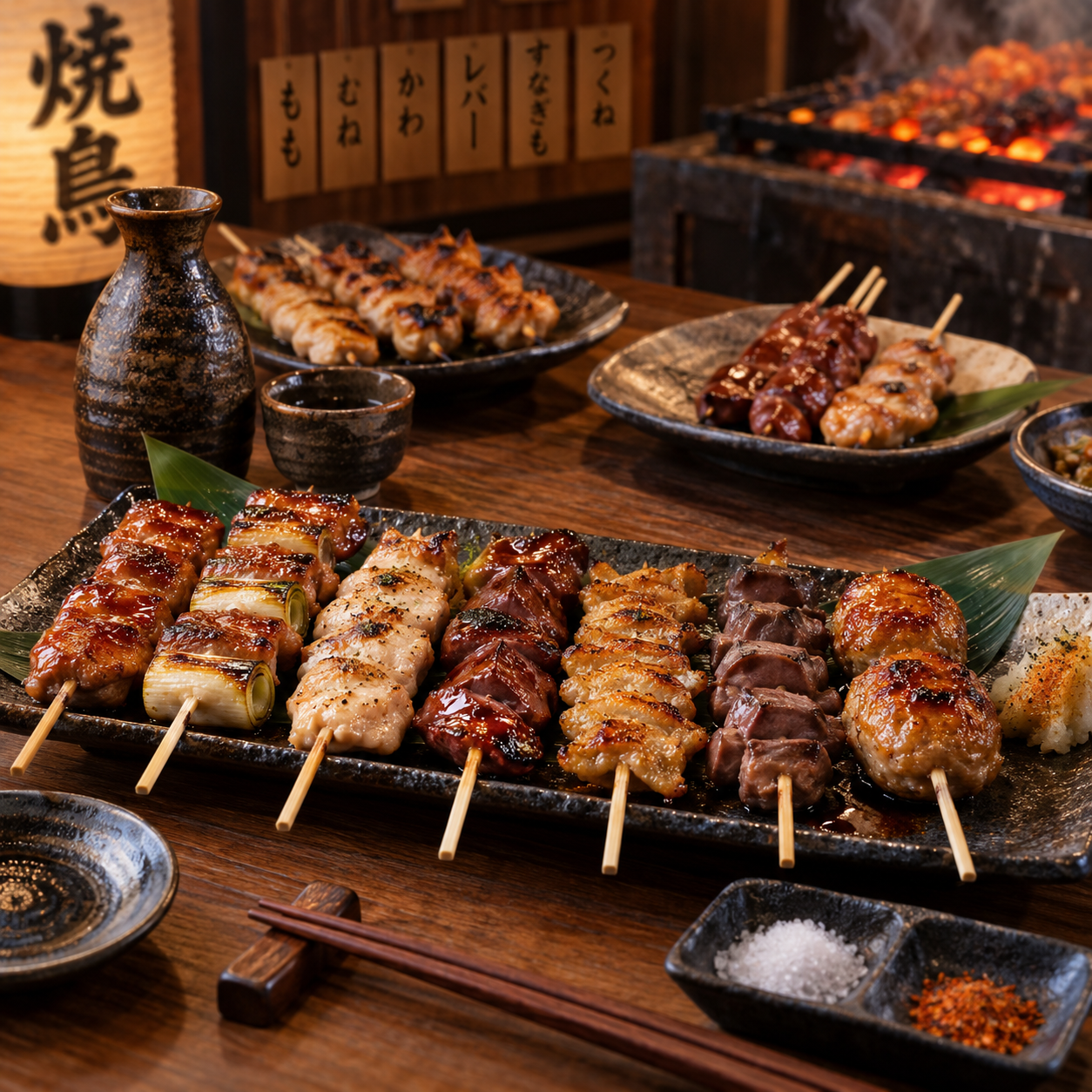
Yakitori is a quintessential Japanese dish in which bite-sized pieces of chicken are skewered and grilled, traditionally over charcoal. One of its charms is the variety of cuts available. Beyond familiar thigh and breast meat, guests can enjoy chicken skin, liver, gizzard, tsukune meatballs, and many other parts of the bird.

Yakitori is typically seasoned either with salt or with a sweet-and-savory tare sauce made primarily from soy sauce. Each restaurant may have its own recipe and balance of flavours, with some sauces being carefully maintained and refined over many years.
At high-quality yakitori restaurants, great attention is paid to the breed and quality of the chicken, the preparation of each cut, the charcoal, the heat, and the precise cooking time.

Japan is also home to a wide variety of Jidori, or premium regional chicken breeds, each with its own characteristics in terms of flavour, texture, and richness. Famous examples include Hinai Jidori from Akita, Nagoya Cochin from Aichi, and Satsuma Jidori from Kagoshima. The breed, how the chicken is raised, and the length of the rearing period can all influence the character of the meat, making the choice of chicken an important part of the yakitori experience.

From casual neighbourhood establishments to intimate counter-style omakase experiences, yakitori offers a fascinating insight into the Japanese approach to transforming simple ingredients through technique.

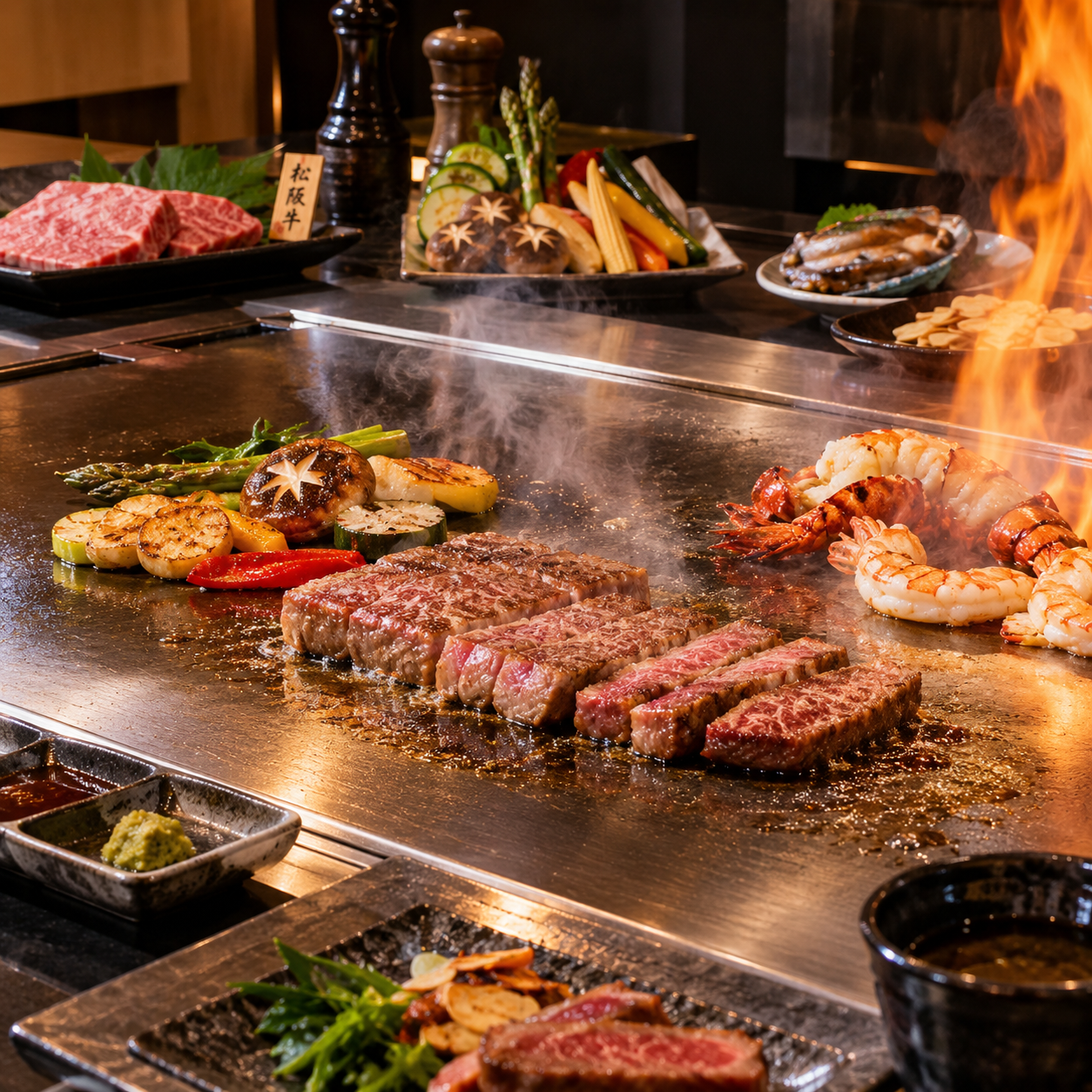
Teppanyaki is a style of dining in which meat, seafood, vegetables, and other ingredients are prepared on a hot iron griddle directly in front of the guests. Unlike yakiniku, where diners typically grill the ingredients themselves, teppanyaki is generally prepared by the chef, who controls the heat and cooking time according to each ingredient and serves the finished dishes as part of a course.

At high-end restaurants, premium Japanese Wagyu from different regions of Japan is often featured alongside seasonal seafood and vegetables. The preparation itself is an integral part of the experience. Guests can watch the chef select, season, sear, and present each ingredient, making teppanyaki a dining experience that engages all the senses.

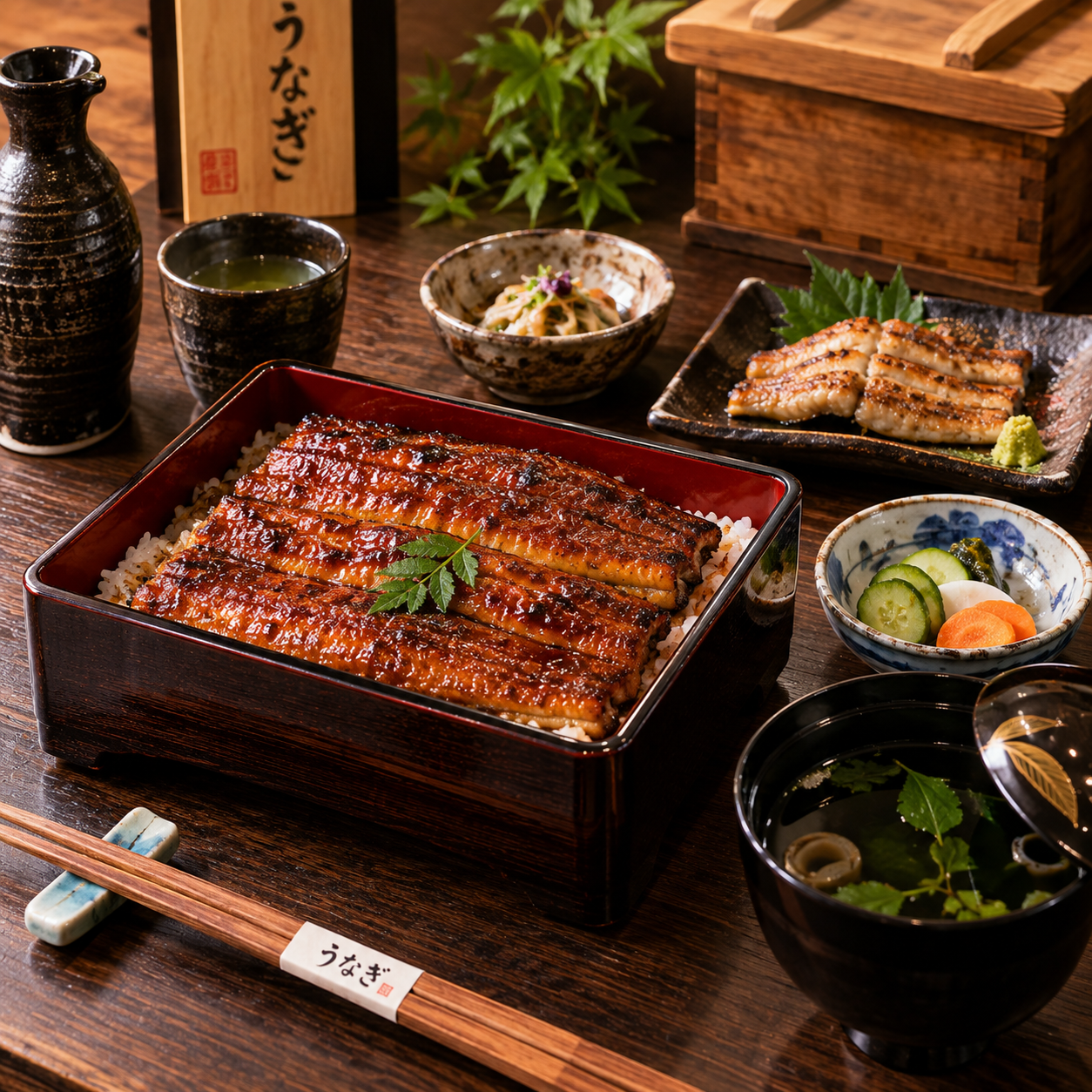
Unagi is a freshwater eel; a long, slender fish with tender flesh that has been enjoyed in Japan for centuries.

One of the most iconic preparations is unagi kabayaki. The combination of smoky, crisp skin, tender flesh, and rich sweet-and-savoury sauce is distinctly Japanese. Specialist unagi restaurants often have their own approach to grilling, steaming, and preparing the eel, as well as their own carefully maintained tare sauce. In addition to kabayaki and shirayaki, in which the eel is grilled without sauce, some restaurants make use of different parts of the eel in a variety of dishes.

Unagi is closely associated with Japanese summer traditions. It is particularly popular during July and August, when it is traditionally enjoyed as a nourishing food to help maintain strength during the hottest months. Whereas, late autumn through early winter is considered another excellent period for unagi, when the eel develops a richer flavour and higher fat content.

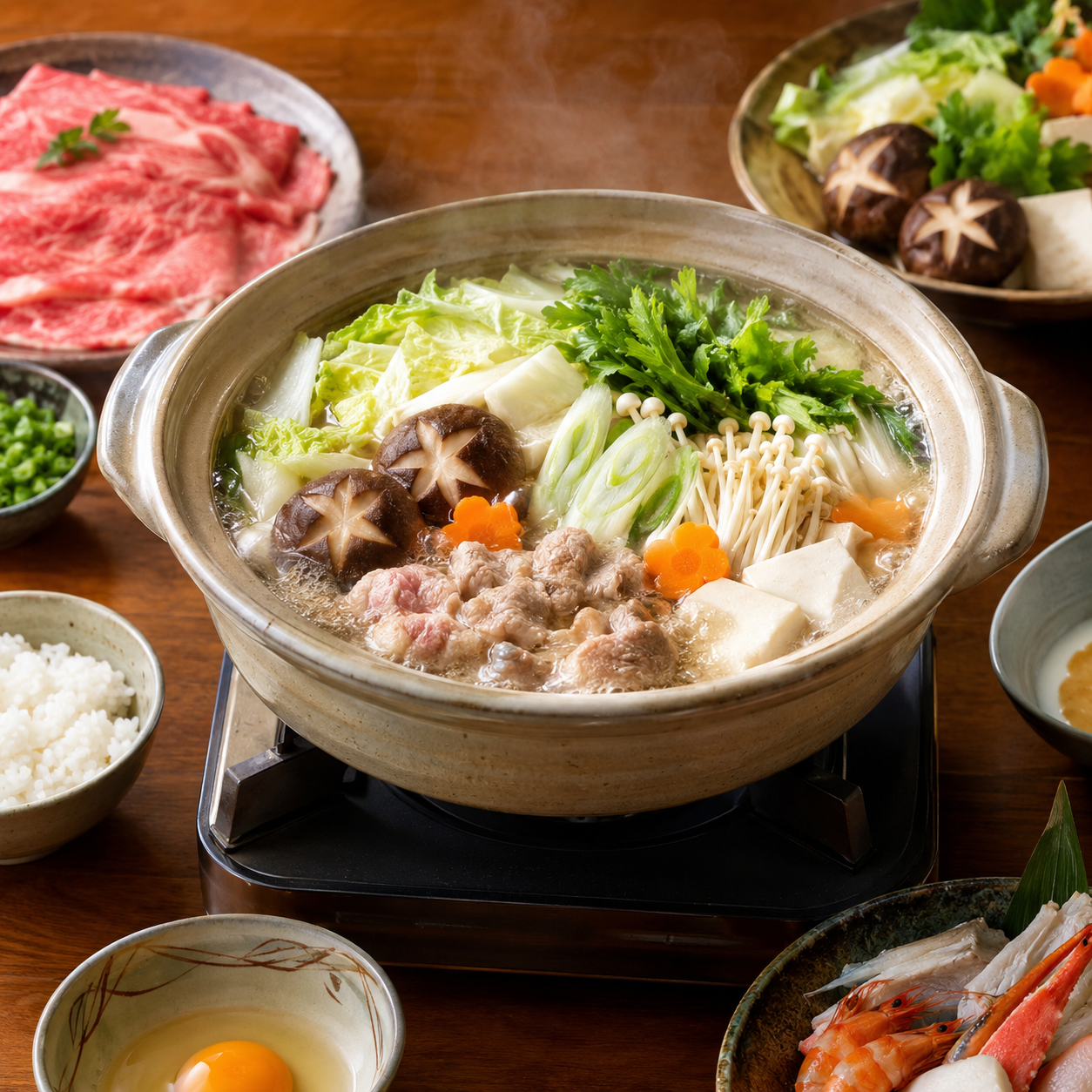
Nabe refers to a broad range of Japanese hot-pot dishes in which various ingredients are cooked together in a flavourful broth and enjoyed around the table.

The ingredients vary according to the season and style of the dish. Common ingredients include napa cabbage, green onions, mushrooms, tofu, and other vegetables, together with beef, pork, chicken, or seafood. Seasonal specialities may feature ingredients such as crab, oysters, or locally caught fish.

The broth can range from delicate dashi made from ingredients such as kombu and bonito flakes to richer miso, soy sauce, or salt-based broths, with each region and restaurant offering its own interpretation.

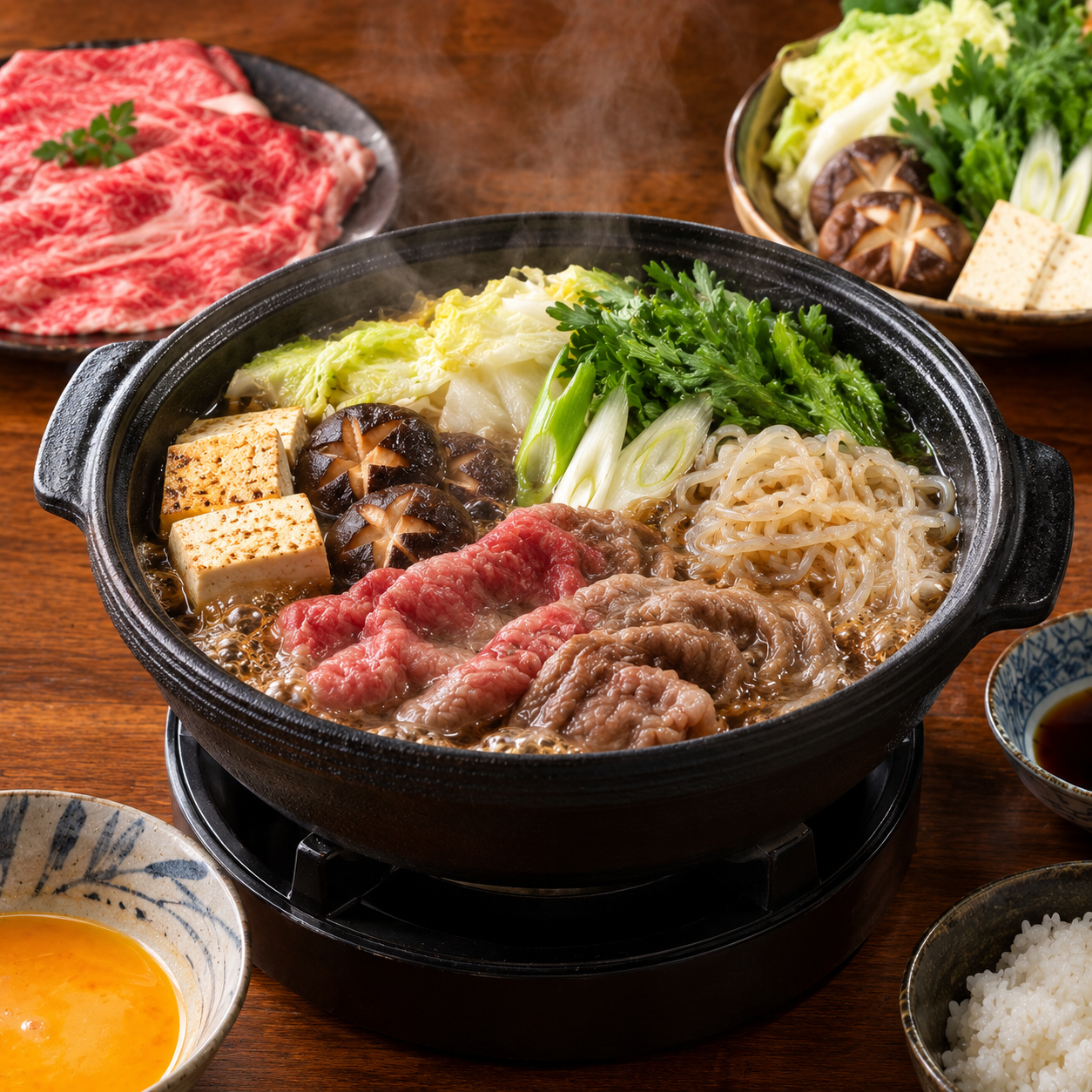
Sukiyaki is a classic Japanese hot-pot dish featuring thinly sliced beef simmered in a sweet and savory sauce made with soy sauce, sugar, and mirin.

The beef is typically accompanied by ingredients such as green onions, napa cabbage, shungiku (chrysanthemum greens), mushrooms, grilled tofu, and shirataki noodles, and is traditionally dipped into beaten raw egg before eating. When made with premium Wagyu, sukiyaki allows guests to fully appreciate the rich flavour and delicate sweetness of the beef.

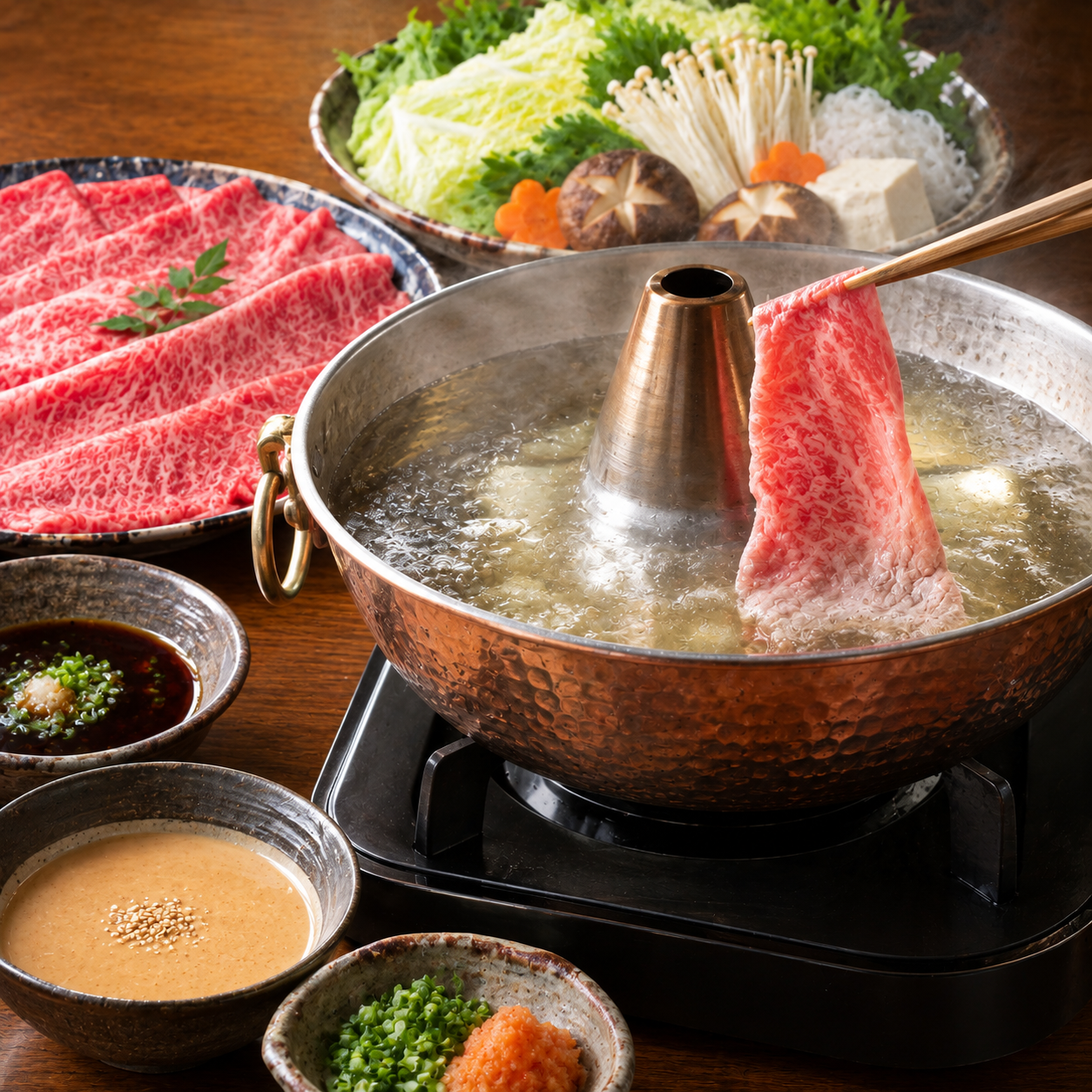
Shabu-shabu is a Japanese hot-pot dish in which thinly sliced beef or pork is briefly cooked in a light broth. The name comes from the motion of holding the meat with chopsticks and gently swishing it back and forth several times in the hot broth to cook it.
Vegetables, tofu, and other ingredients are also cooked in the broth and enjoyed together with the meat.

Common dipping sauces include ponzu, a refreshing citrus-based sauce made with soy sauce, and goma-dare, a rich and creamy sesame-based sauce. These sauces add contrasting flavours and allow each guest to enjoy the ingredients according to their preference.

Premium Wagyu shabu-shabu offers a particularly refined experience, highlighting the quality of the beef and the delicate control of its cooking.

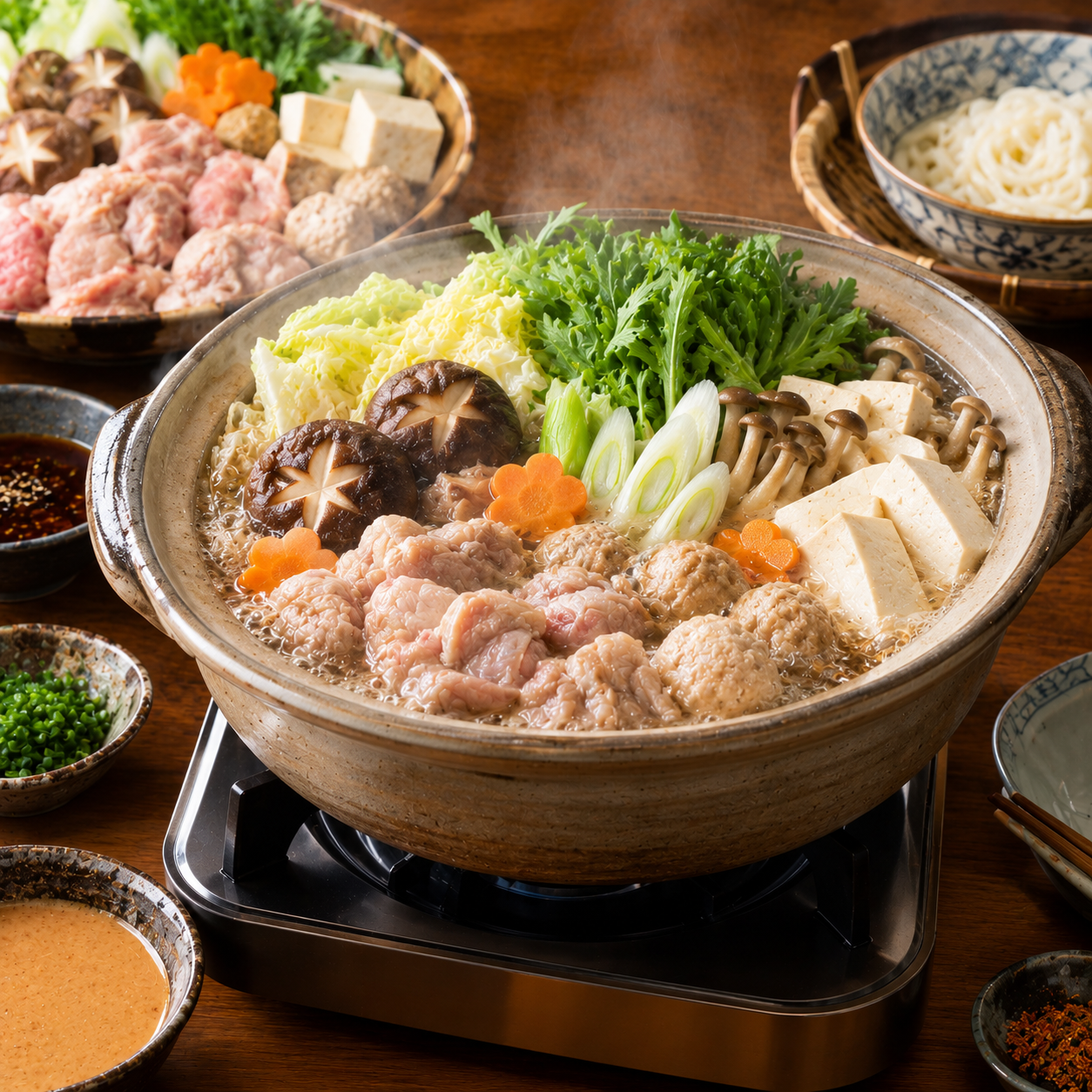
Chanko nabe is a hearty hot-pot dish famously associated with sumo wrestlers and sumo stables. It typically combines a wide variety of ingredients such as chicken, pork, seafood, tofu, napa cabbage, green onions, and mushrooms. There are no strict rules regarding the ingredients or seasoning, and each sumo stable may have its own distinctive recipe.

The broth may be seasoned with miso, soy sauce, salt, or other flavours, making every chanko nabe experience slightly different.
Originally developed as a nutritious meal to support the physical demands of sumo wrestlers, chanko nabe offers an opportunity to experience both Japanese food culture and the traditions of sumo.
If you are interested in sumo, we particularly recommend experiencing chanko nabe alongside a visit to a sumo tournament or other sumo-related experience.

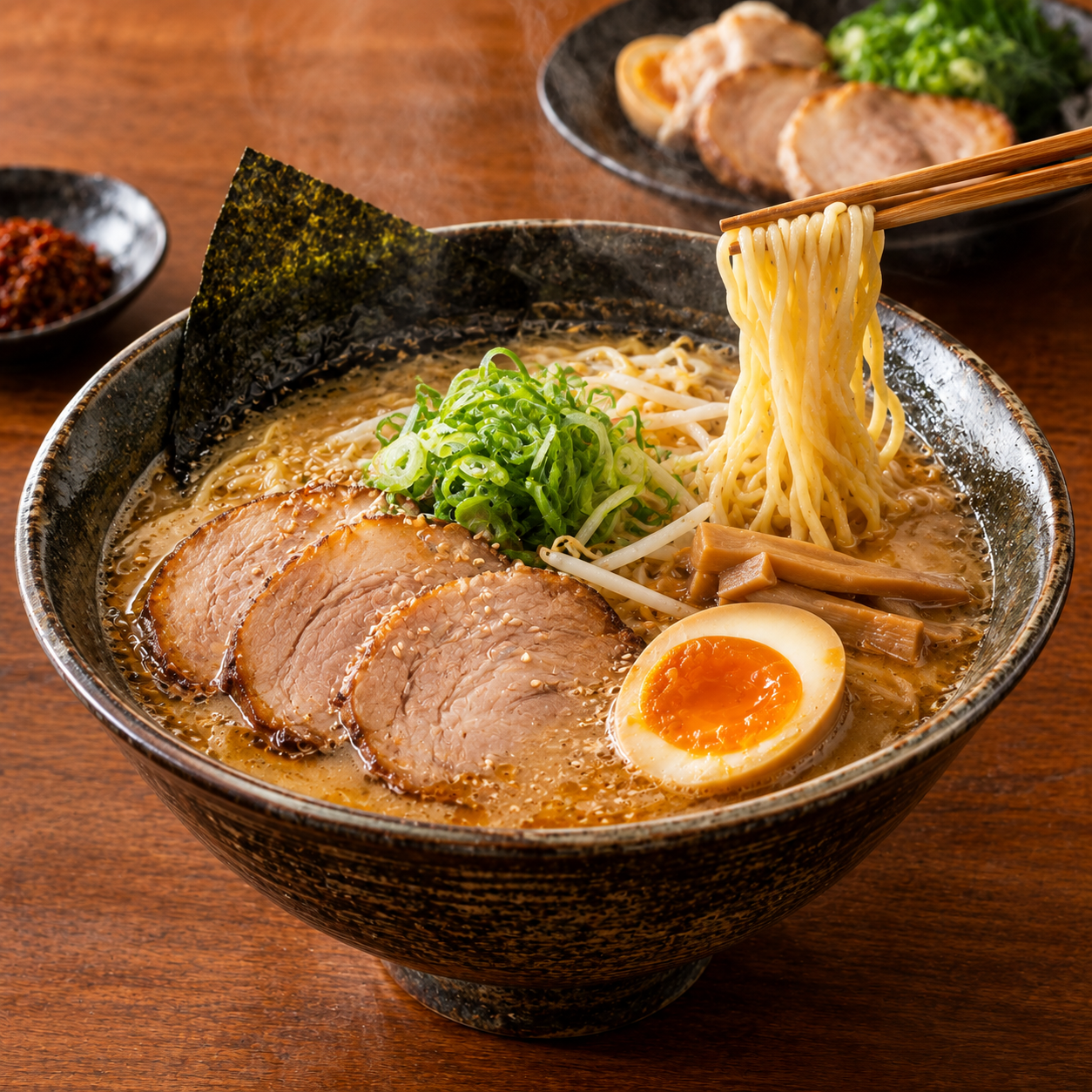
Ramen is one of Japan’s most iconic dishes. It is delicious, accessible, and relatively affordable, making it an important part of everyday dining culture in Japan.

The most familiar styles include shio (salt), shoyu (soy sauce), and miso ramen, while regional variations and individual interpretations can be found throughout the country.
The appeal of ramen lies not only in the soup but also in the noodles. Their thickness, texture, shape, and degree of firmness can vary considerably, with each chef carefully balancing the noodles with the broth.

Slow-cooked broths, tsukemen dipping sauces, house-made noodles, toppings such as chashu and eggs, and creative regional interpretations all contribute to the character of each bowl. A bowl of ramen brings together Japanese culinary culture, craftsmanship, and creativity in a simple yet deeply satisfying form.

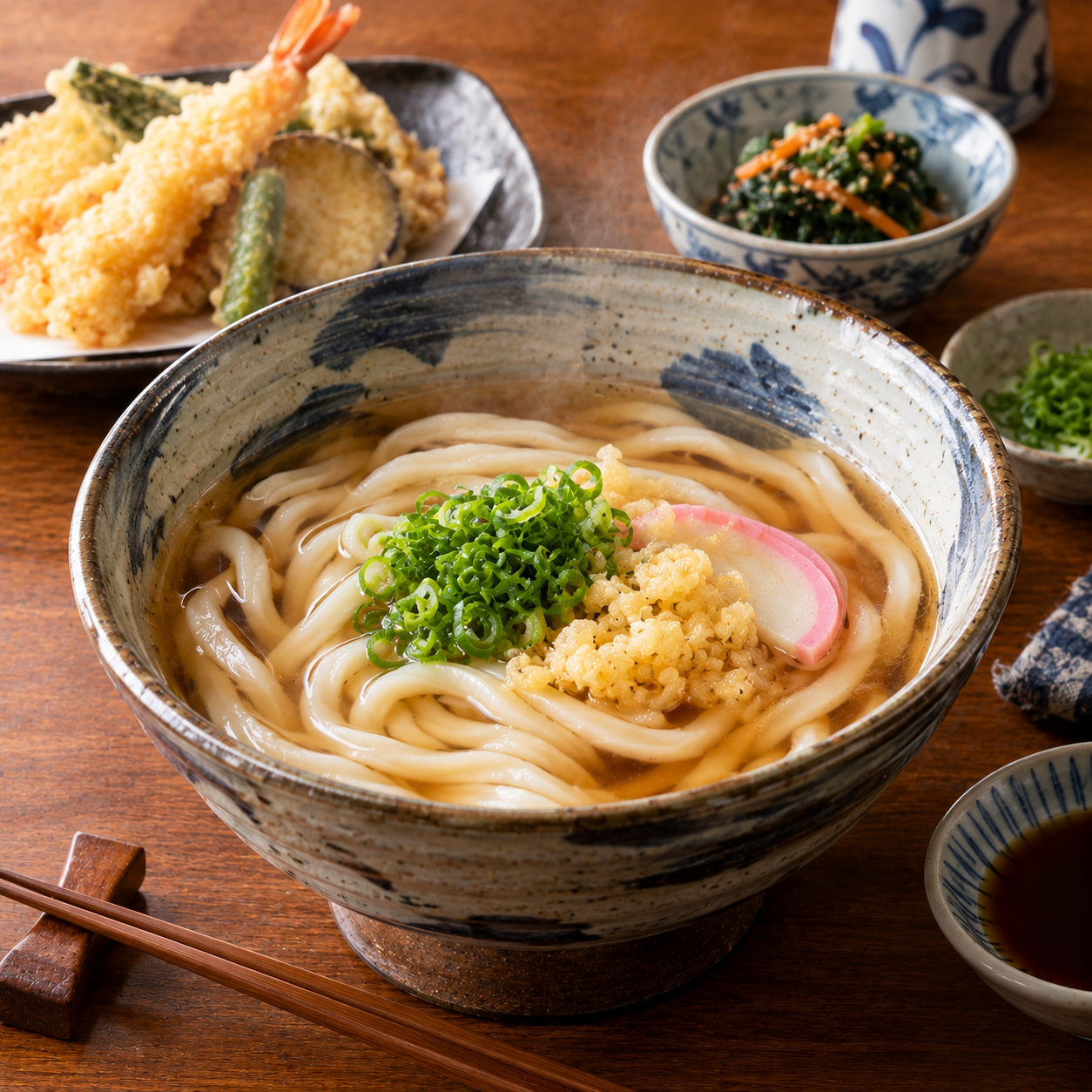
Udon is one of Japan’s most traditional noodle dishes, made from wheat flour and known for its thick, satisfying noodles.

Its apparent simplicity allows the texture of the noodles and the flavour of the broth or dipping sauce to take centre stage.

Japan has a remarkable variety of regional udon traditions. These include the famously springy Sanuki Udon from Kagawa, the fine and silky Inaniwa Udon from Akita, the broad, flat kishimen associated with Nagoya, and hoto, a wide noodle dish from Yamanashi.

Exploring regional varieties of udon is a simple yet rewarding way to discover the diversity of Japanese food culture.

Yoshoku - Western influenced Japanese food

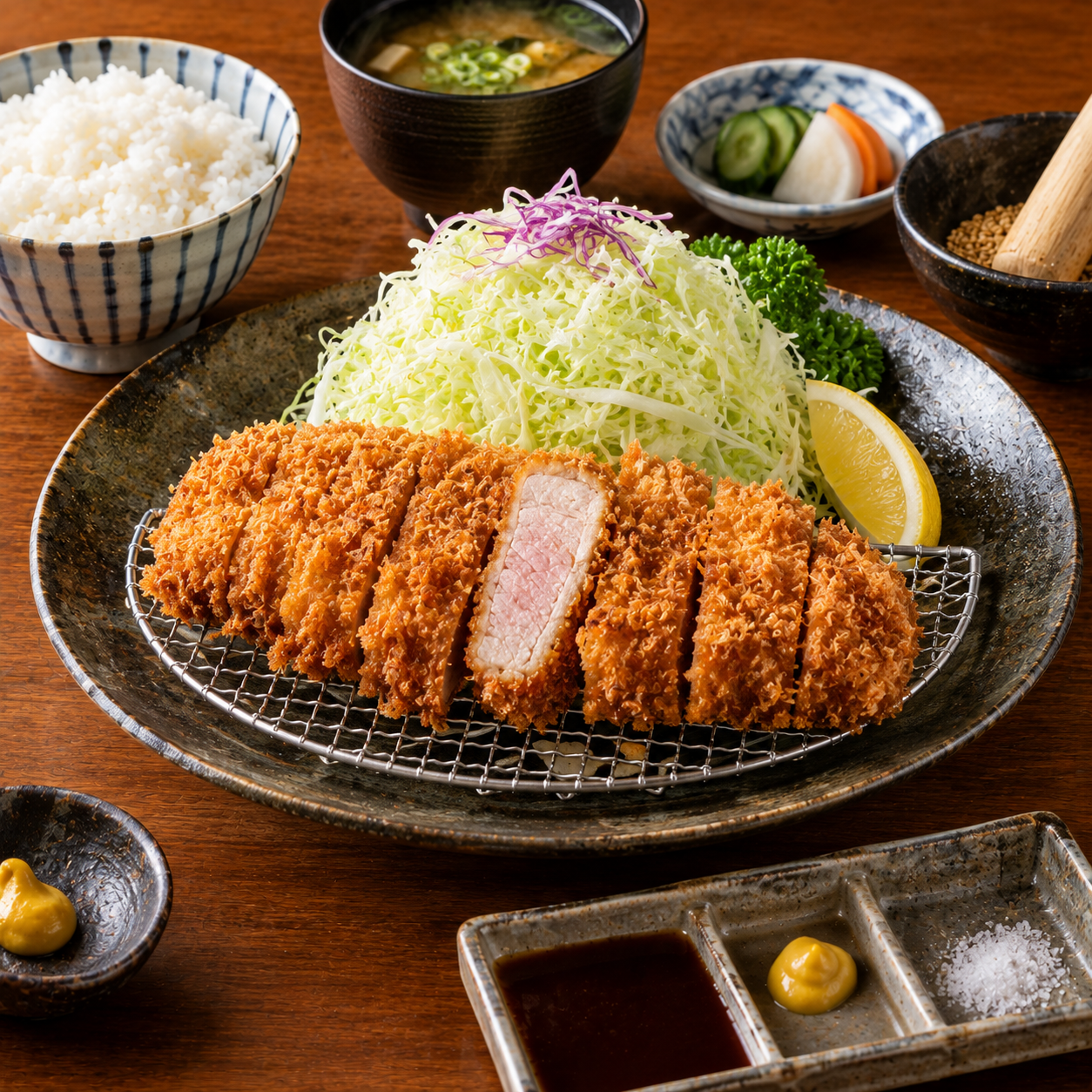
Tonkatsu is a Japanese dish of breaded and deep-fried pork cutlet. Crisp breadcrumbs surround tender, juicy pork, and the dish ranges from casual katsu-sando sandwiches and station bento boxes to specialist restaurants serving premium heritage-breed pork cooked to order.

Tonkatsu is traditionally served with a rich, slightly sweet tonkatsu sauce. Made with ingredients such as vegetables, fruit, and spices, the sauce adds depth while complementing the flavour of the pork.

A small amount of karashi, a Japanese mustard with a sharp and spicy flavour, is often served alongside the tonkatsu. Its clean heat cuts through the richness of the pork and sauce, creating a more balanced flavour. For those who prefer to appreciate the natural flavour of the pork, high-quality tonkatsu is also often enjoyed simply with salt.

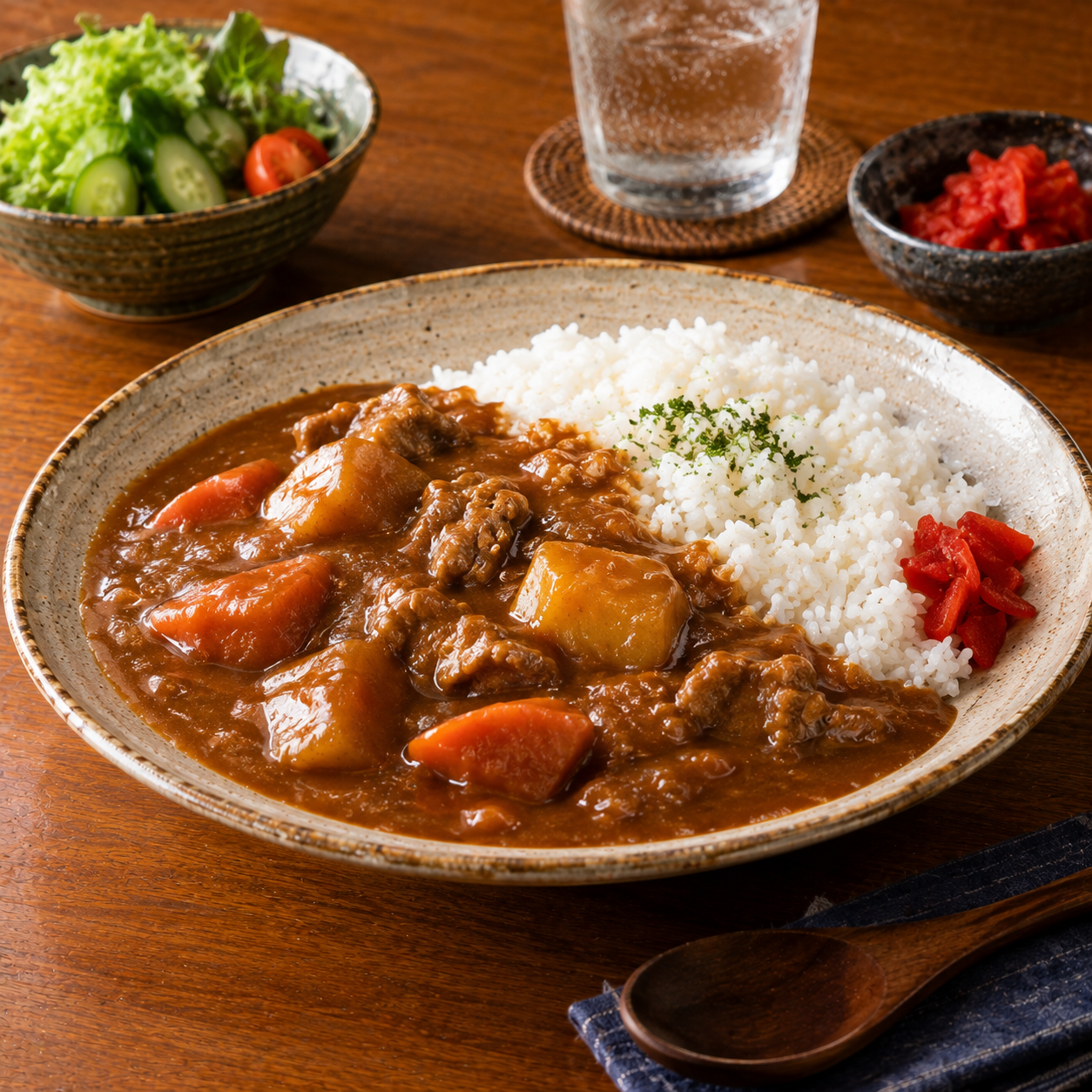
Japanese curry is deeply rooted in everyday Japanese food culture.

At home, it is commonly prepared using commercially available curry roux, while specialist restaurants create their own distinctive flavours using carefully selected spices, dashi, meat, vegetables, and other ingredients.

Although Japanese curry has its roots in curry traditions introduced from abroad, it has evolved into a uniquely Japanese style and has become one of the country’s most beloved comfort foods.

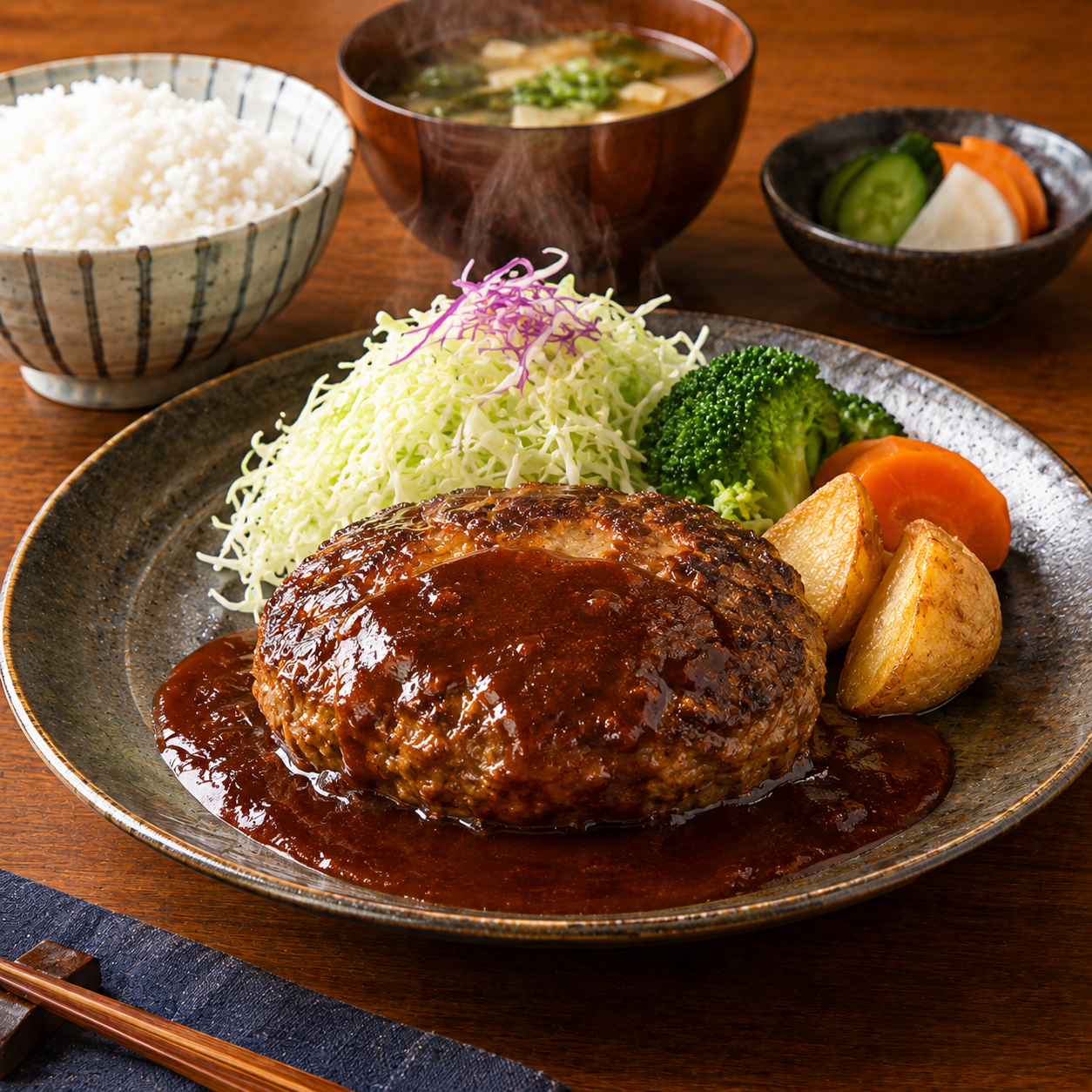
Japanese hambagu, or Hamburg steak, was inspired by the European Hamburg steak but has evolved into a distinctly Japanese dish. It is commonly made from a mixture of ground beef and pork and served with demi-glace or Japanese-style sauces, usually alongside rice.

Hambagu can be found everywhere from traditional kissaten coffee shops and family restaurants to specialist establishments focusing on premium heritage-breed pork or beef.

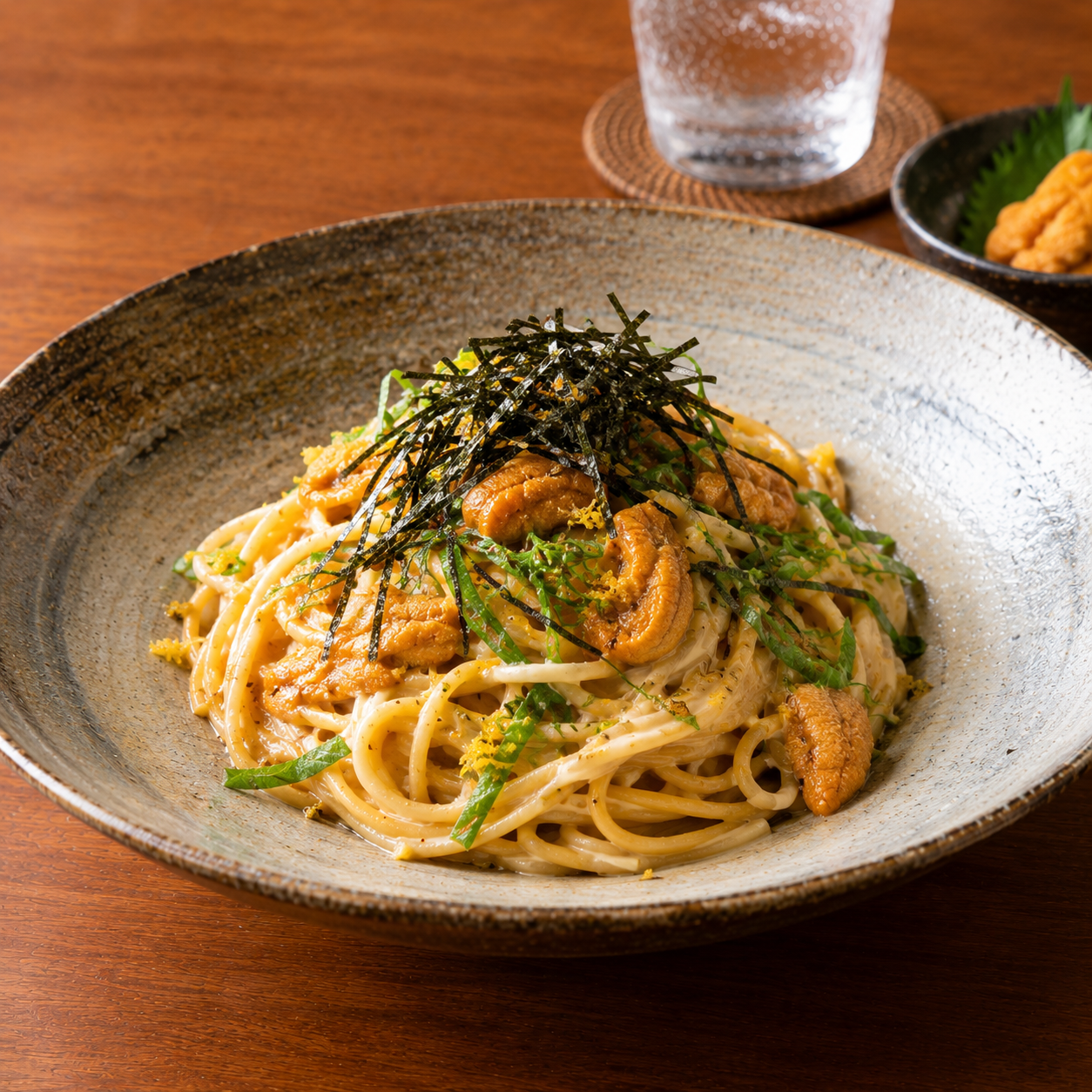
Pasta has also developed its own distinctive identity in Japan.

Traditional kissaten and casual restaurants are known for dishes such as Napolitan, a ketchup-based pasta, as well as Japanese-style pasta featuring ingredients such as mentaiko (spicy pollock roe), seaweed, and soy sauce.

In recent years, fine-dining restaurants have taken this further, combining Italian techniques with Japan’s exceptional seasonal produce. Abalone liver, ayu sweetfish, uni sea urchin, karasumi cured mullet roe, and seasonal seafood can all be incorporated into creative pasta dishes, creating an intriguing meeting point between Japanese ingredients and Italian cuisine.

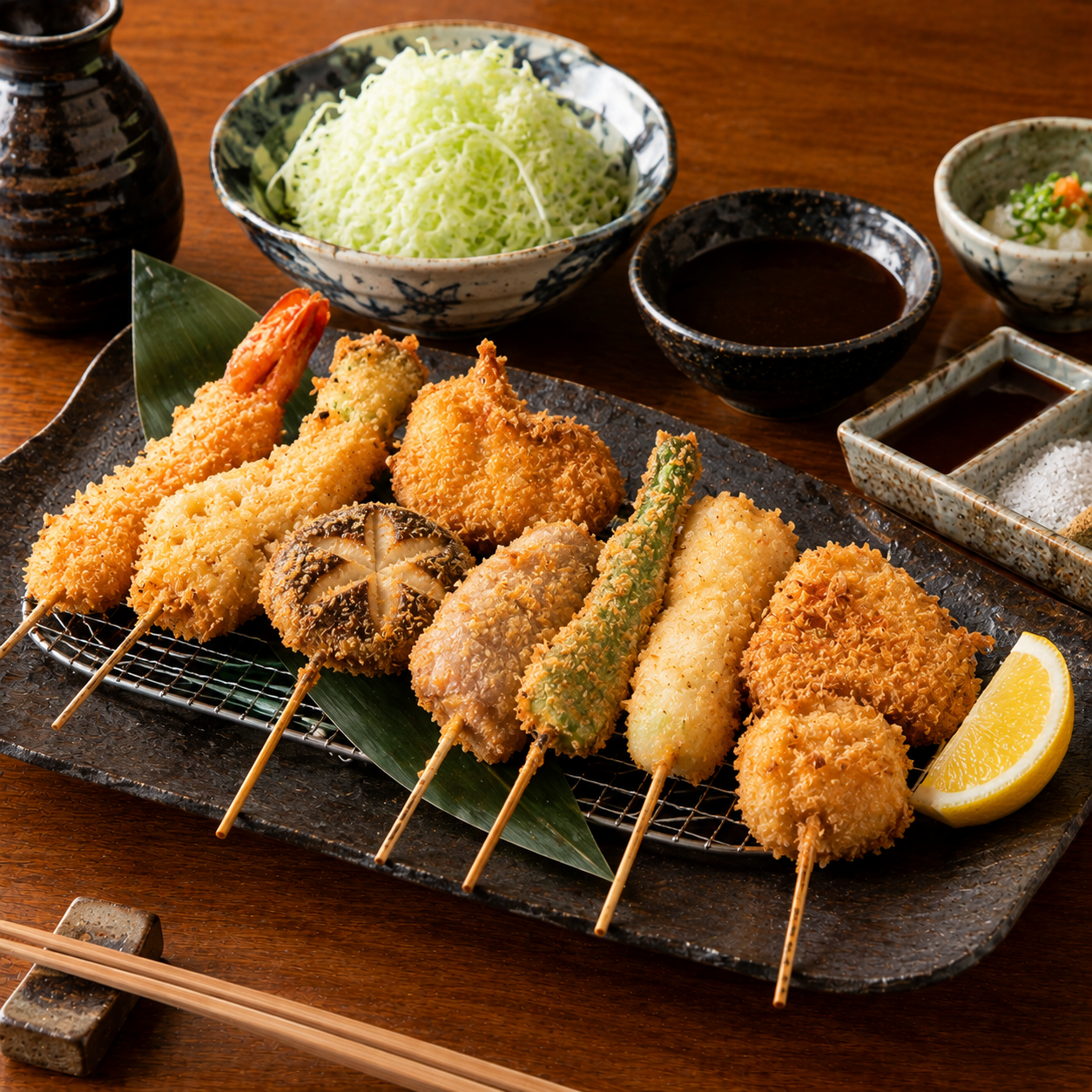
Kushiage is a Japanese deep-fried skewer dish that originated in Osaka.

Meat, seafood, and vegetables are cut into bite-sized pieces, skewered, coated in a light batter, and fried to create a variety of textures and flavours. The experience ranges from casual restaurants to refined omakase establishments, where seasonal and premium ingredients are selected and fried one by one.

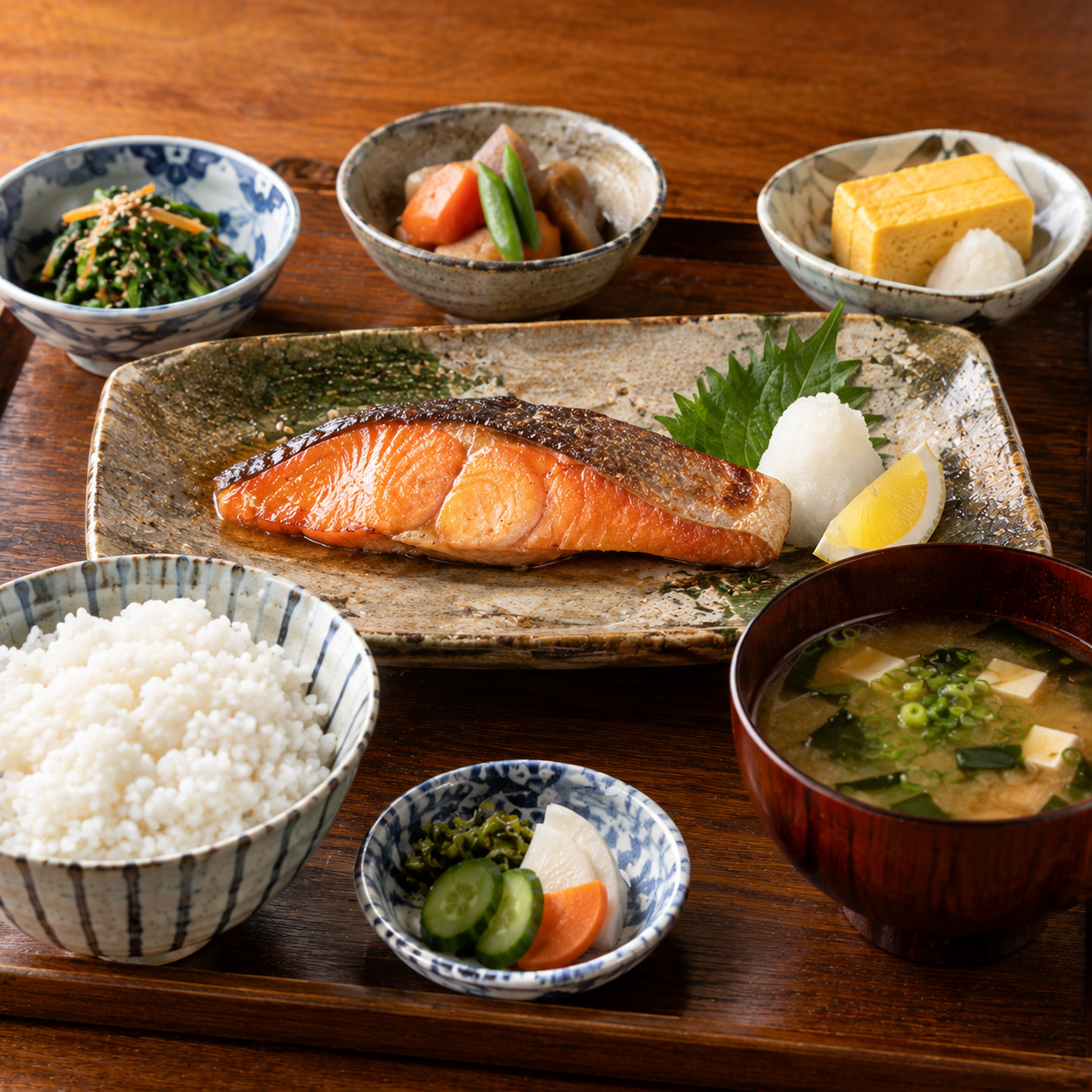
Teishoku is a traditional Japanese set meal that typically combines rice, miso soup, pickles, side dishes, and a main dish such as meat or fish.

The main dish varies widely from restaurant to restaurant and may include grilled fish, sashimi, tempura, pork, or chicken. Many restaurants also offer daily set meals featuring seasonal ingredients.

For Japanese people, teishoku is an everyday style of dining. For visitors, however, it offers an authentic and approachable way to experience the Japanese table without the formality of a traditional fine-dining experience.

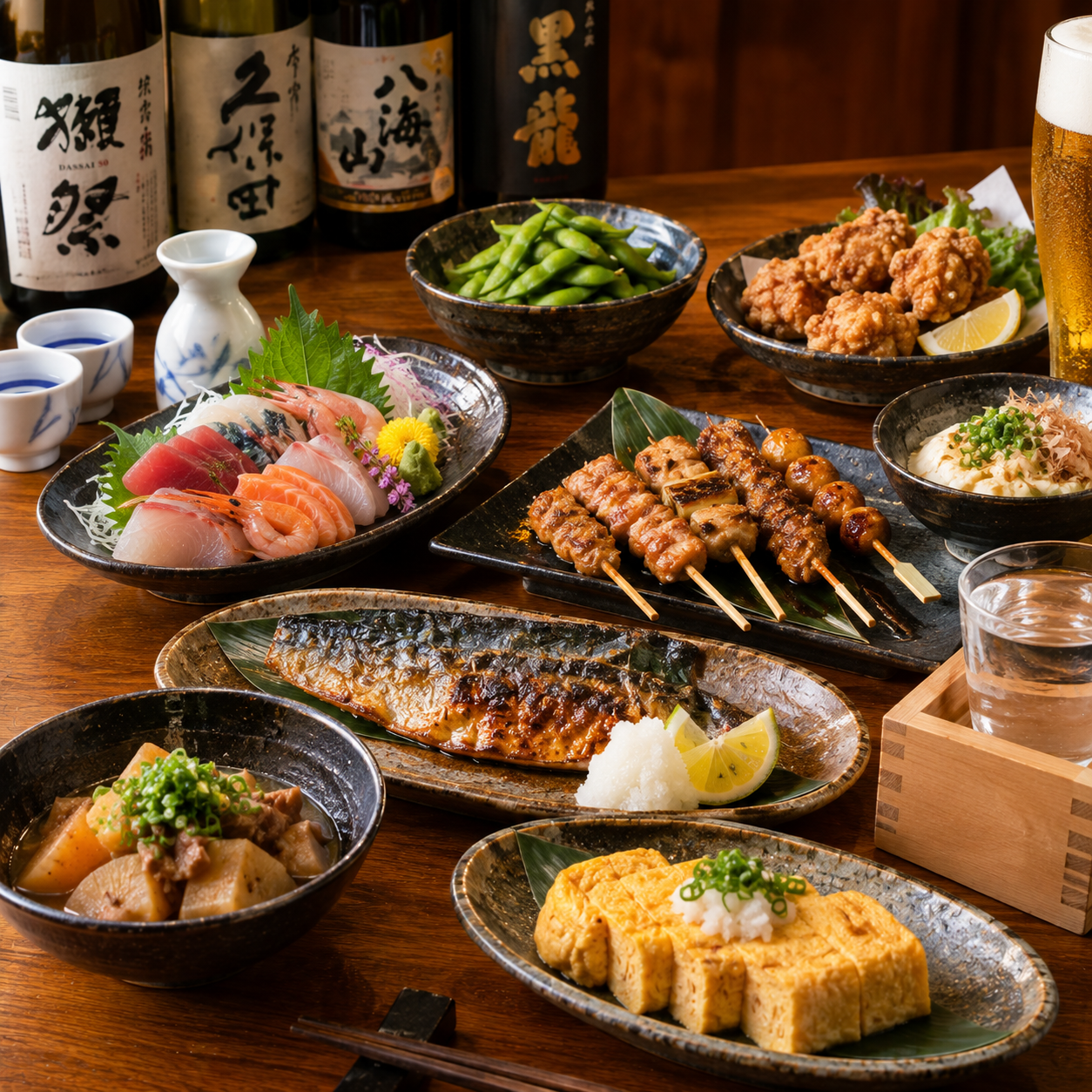
Izakaya are one of the most approachable ways to experience Japanese food culture.
There are no strict rules regarding the type of cuisine served. Depending on the chef and restaurant, menus may include sashimi, grilled fish, yakitori, fried dishes, traditional Japanese favourites, Western-inspired dishes, and contemporary creations.

Another defining feature of izakaya dining is the opportunity to explore Japan’s diverse selection of sake, or nihonshu. Different restaurants have their own preferred breweries and styles, making each visit an opportunity to discover new regional flavours and pairings.

From casual neighbourhood establishments to sophisticated restaurants pairing seasonal cuisine with carefully selected sake, every izakaya offers a different experience.

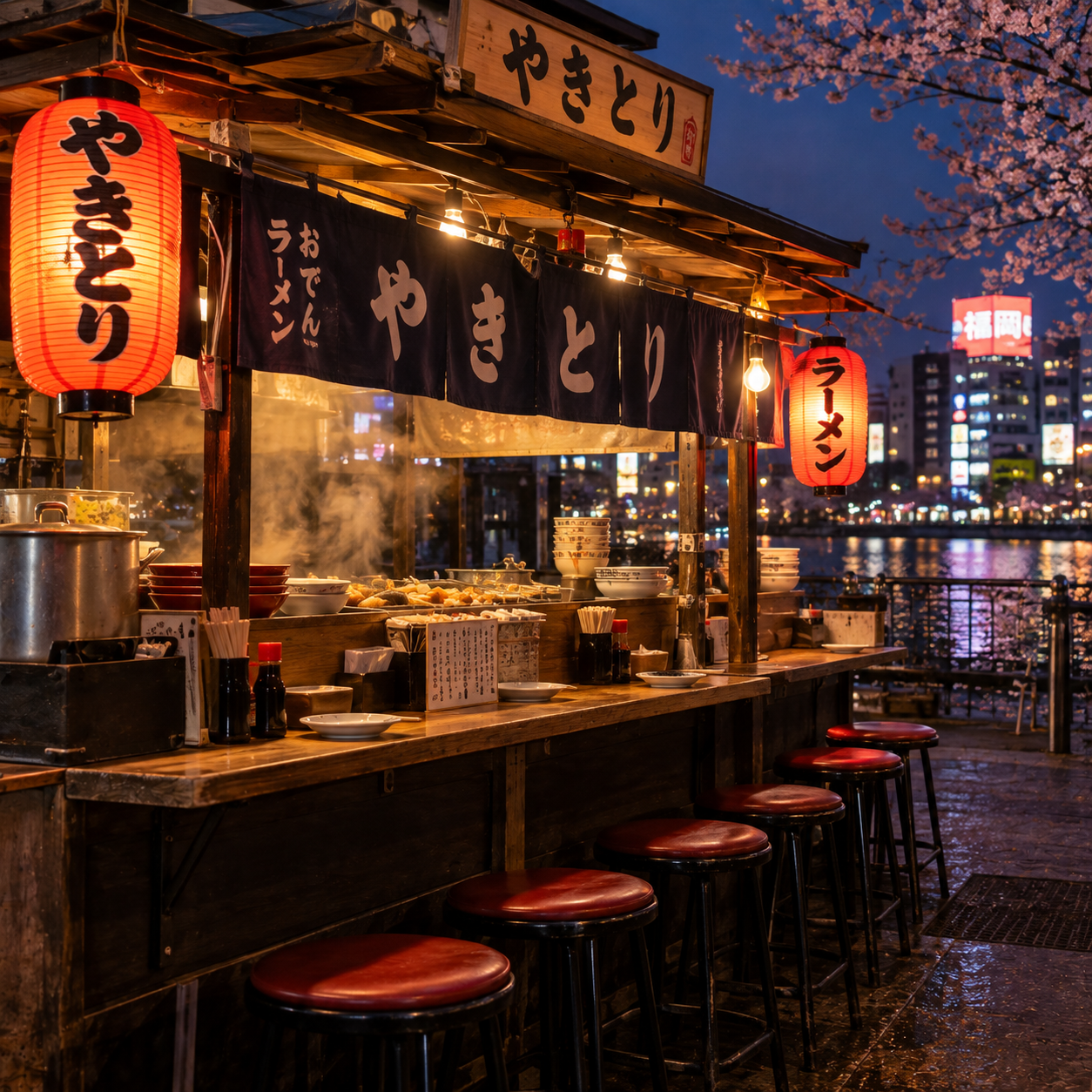
Yatai are small, open-air food stalls that appear in streets and entertainment districts from the evening onwards. Guests sit around a compact counter, watching the chef prepare food while enjoying the atmosphere of the surrounding streets, the evening air, and the changing seasons.

The close proximity between chef and guests, as well as the limited counter seating, creates an intimate and lively atmosphere that is quite different from a conventional restaurant.

Fukuoka, particularly Hakata, is famous for its yatai culture, where guests can enjoy dishes such as ramen, yakitori, gyoza, and oden.

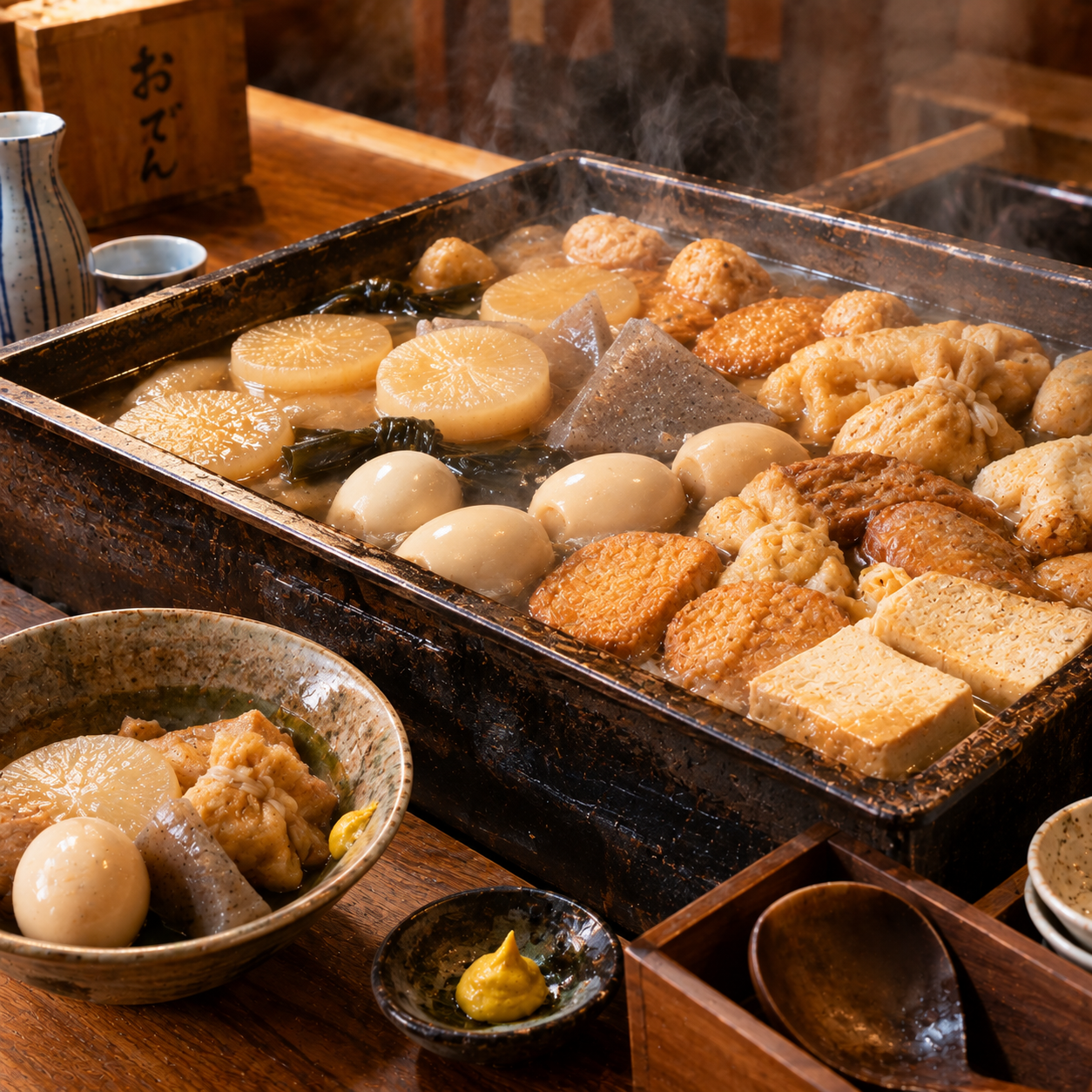
Oden is a traditional Japanese dish in which a variety of ingredients are slowly simmered in a flavourful dashi broth. Common ingredients include daikon radish, eggs, konnyaku, tofu, and a variety of fish cakes and other processed fish products. The selection of ingredients and style of broth varies from region to region and from one restaurant to another.

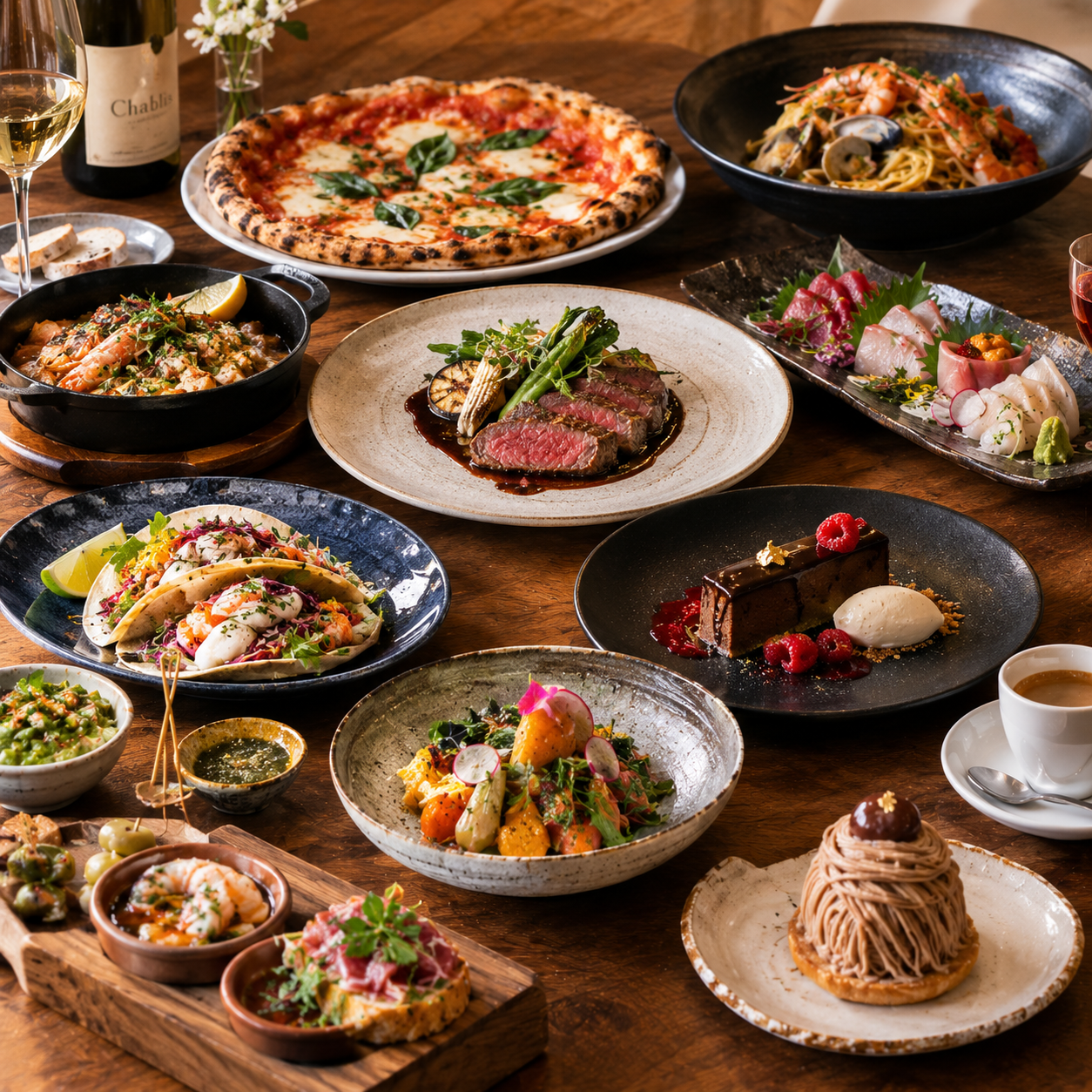
One of the many appealing aspects of Japan’s dining scene is the cuisine developed with local seasonal produce combined with cooking techniques from expatriate chefs that call Japan, ‘home.’

There are a multitude of culinary options from; classical French, modern Italian, Catalonian, Southern Soul Food, Spanish tapas, Napoli Pizza and a Mexican omakase of seasonal local seafood paired with Tacos made of house ground masa.

Japan also hosts some of the world renowned patisseries and chocolatiers, with many visitors returning home with unforgettable sweet treats as gifts for family and friends.

Private Dining

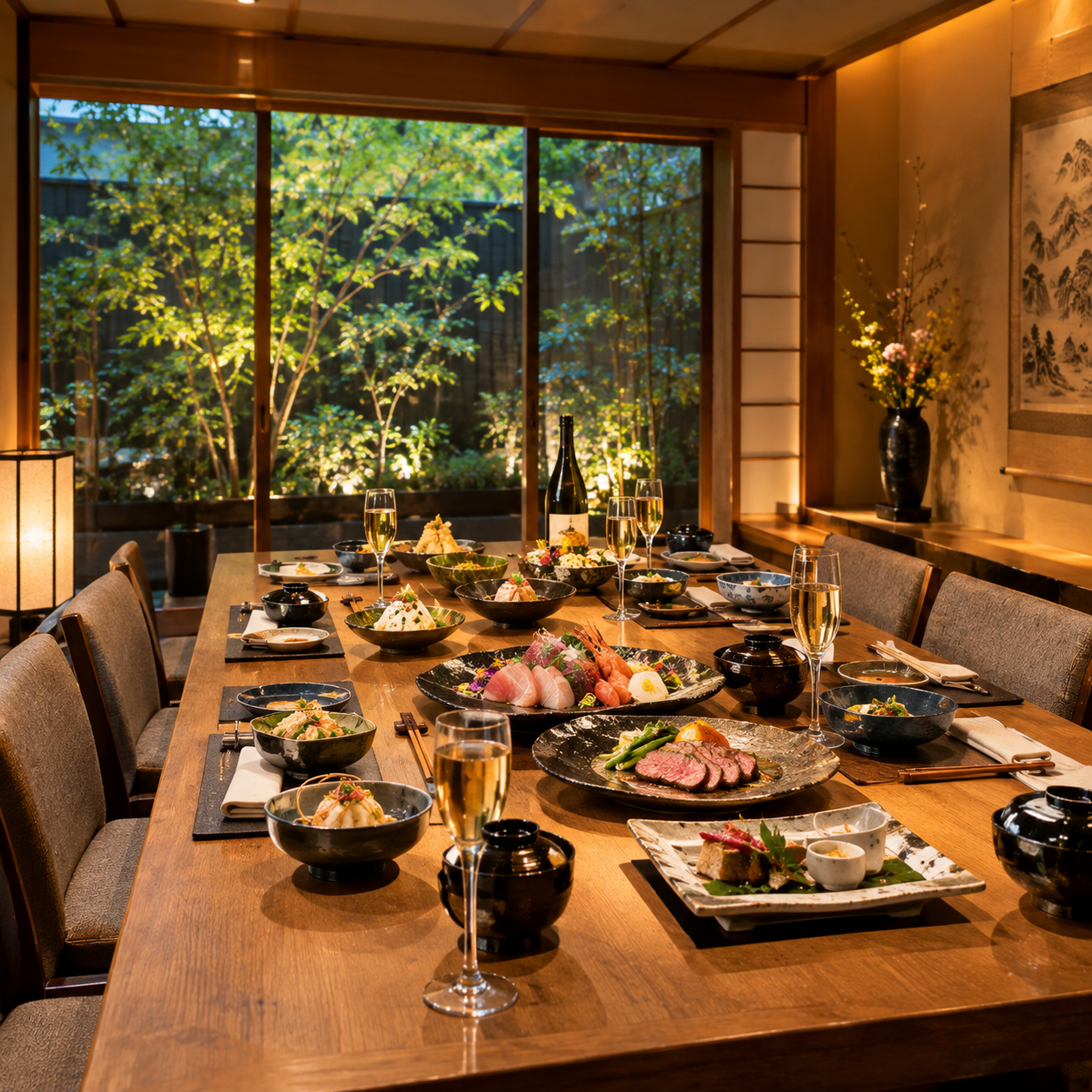
For families and groups seeking a more private and relaxed dining experience, we can arrange bespoke private dining in an intimate setting.

The experience is not limited to Japanese cuisine. Menus and courses can be tailored around your preferences, dietary requirements, allergies, and the interests of your group.
Families travelling with children can also enjoy a private dining experience without having to worry about disturbing other guests, while the menu can be thoughtfully customised to suit the preferences of each member of the group.

From traditional Japanese cuisine to international and contemporary dining, we can create a private culinary experience designed specifically for you.

If there is a particular cuisine, restaurant, or food experience you are interested in that is not featured on our website, please contact us. We will be pleased to explore how we can incorporate it into your journey and create an experience tailored to your interests

Japanese Sweets

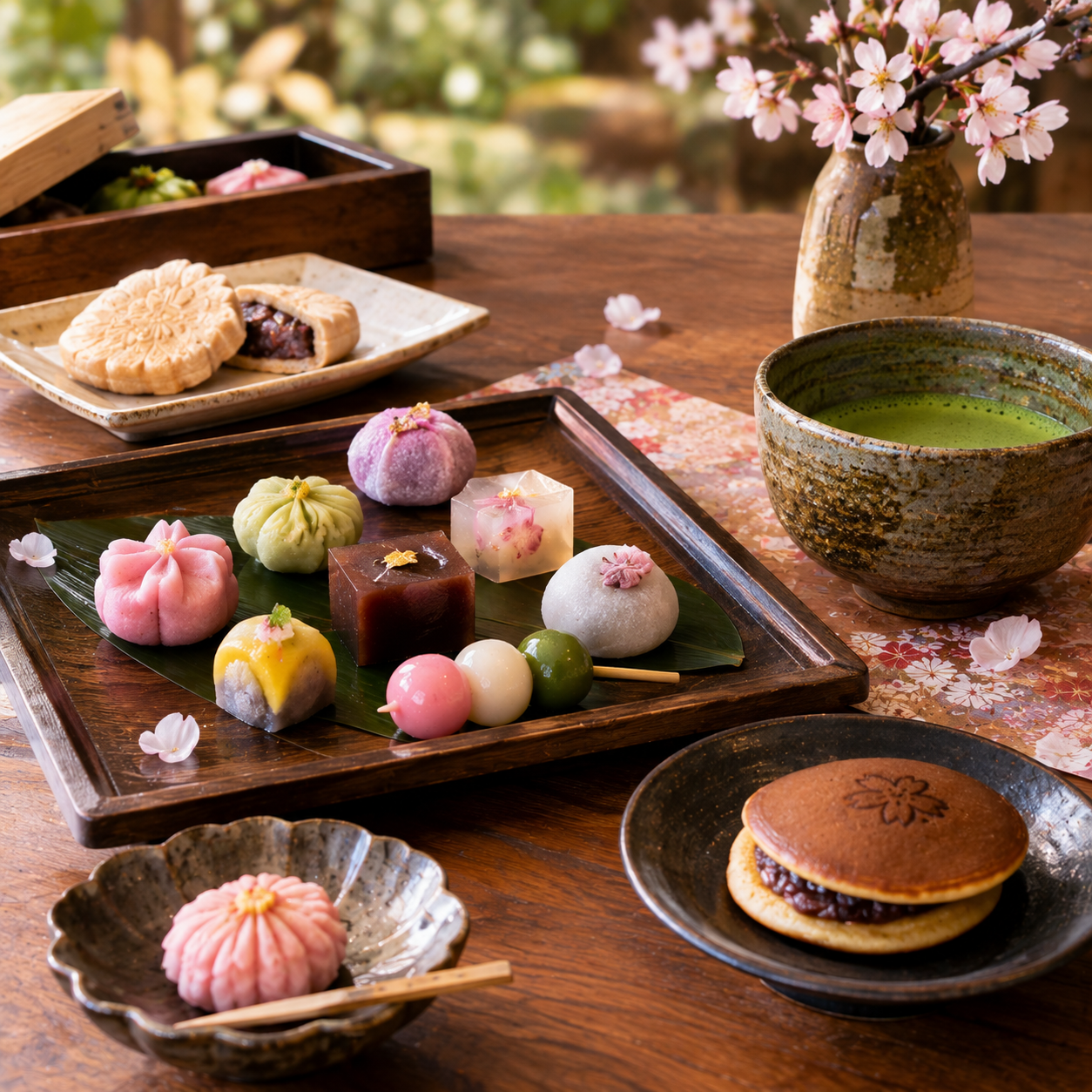
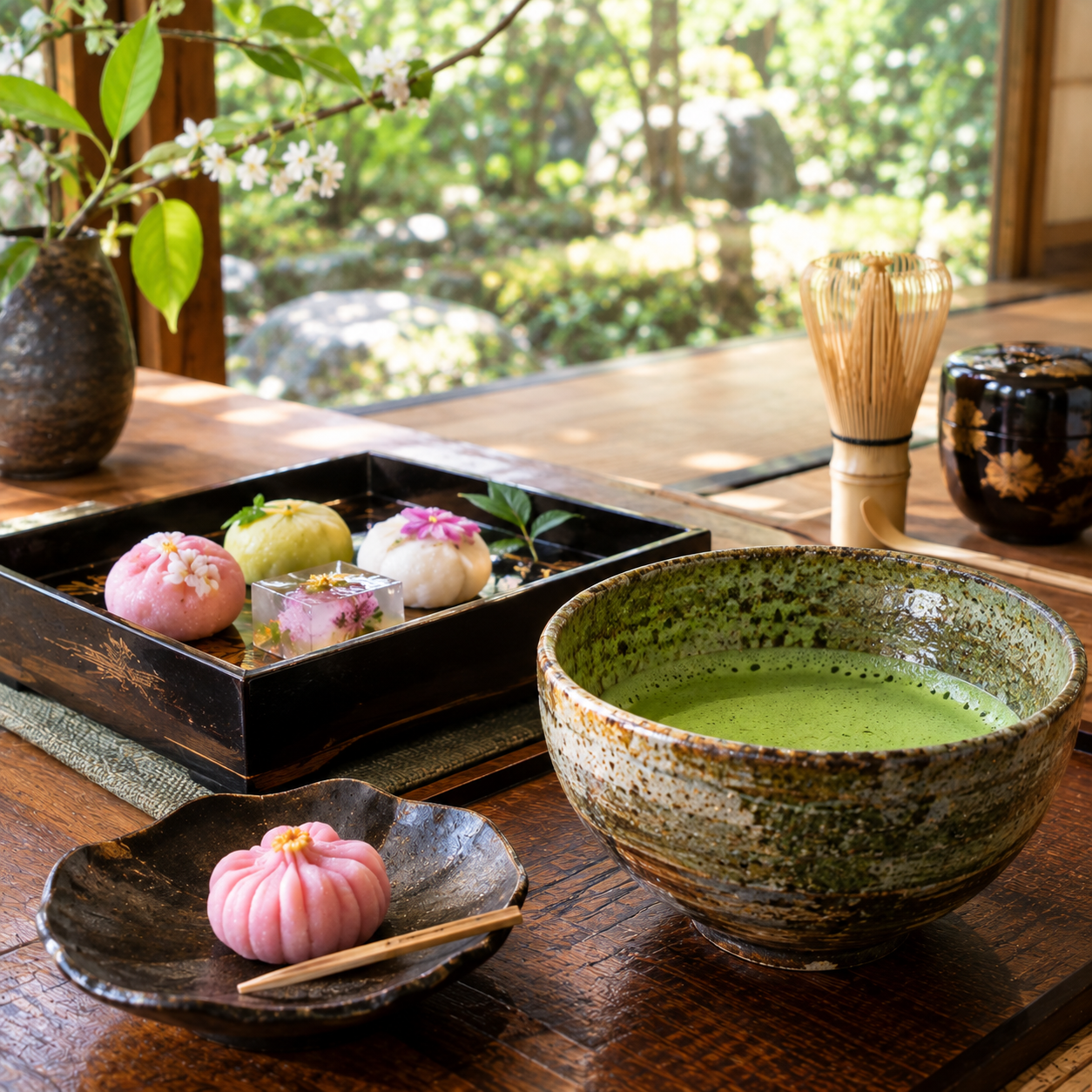
Wagashi are traditional Japanese sweets made using ingredients such as azuki bean paste, sweet potatoes, mochi, rice flour, and agar. There are many varieties, including dorayaki, monaka, yokan, and dango, with different regions and seasons offering their own distinctive specialties.

Wagashi are appreciated not only for their taste but also for their seasonality and visual beauty. Many are carefully crafted to evoke elements of nature and the changing seasons, such as cherry blossoms, autumn leaves, the moon, and snow. This thoughtful attention to appearance makes wagashi a pleasure to appreciate with both the eyes and the palate.

Visitors can experience wagashi in a variety of settings, from traditional tea houses to elegant confectionery shops, or enjoy private experiences that introduce the craftsmanship and seasonal traditions behind these delicate sweets.

Japan’s distinct four seasons provide an exceptional variety of fruits throughout the year.
Strawberries, cherries, peaches, grapes, pears, persimmons, and melons are cultivated across the country, with different regions and varieties offering their own distinctive flavours, aromas, and textures.

Japan places great emphasis on the quality and presentation of its fruit. Premium fruits are often carefully selected and beautifully packaged as gifts, reflecting the importance placed on craftsmanship and attention to detail.

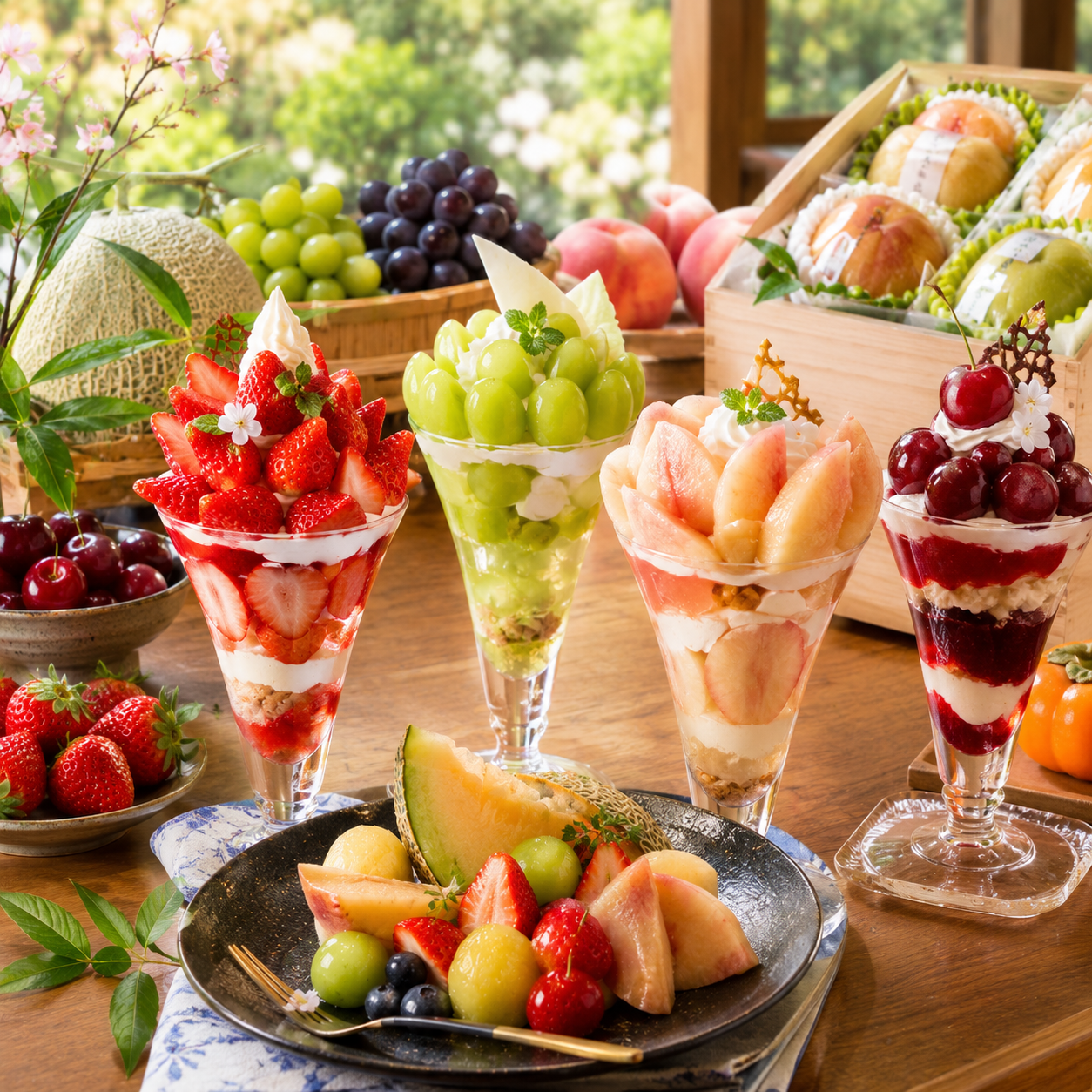
Enjoying fruit at its seasonal peak is another way to experience Japanese food culture. Fruit specialty shops, traditional fruit parlours, hotels, and restaurants offer seasonal fruit parfaits, where fresh produce is elegantly paired with ice cream, cream, jelly, and other delicate ingredients.

These beautifully presented desserts offer a refined way to experience Japan’s seasonal bounty.

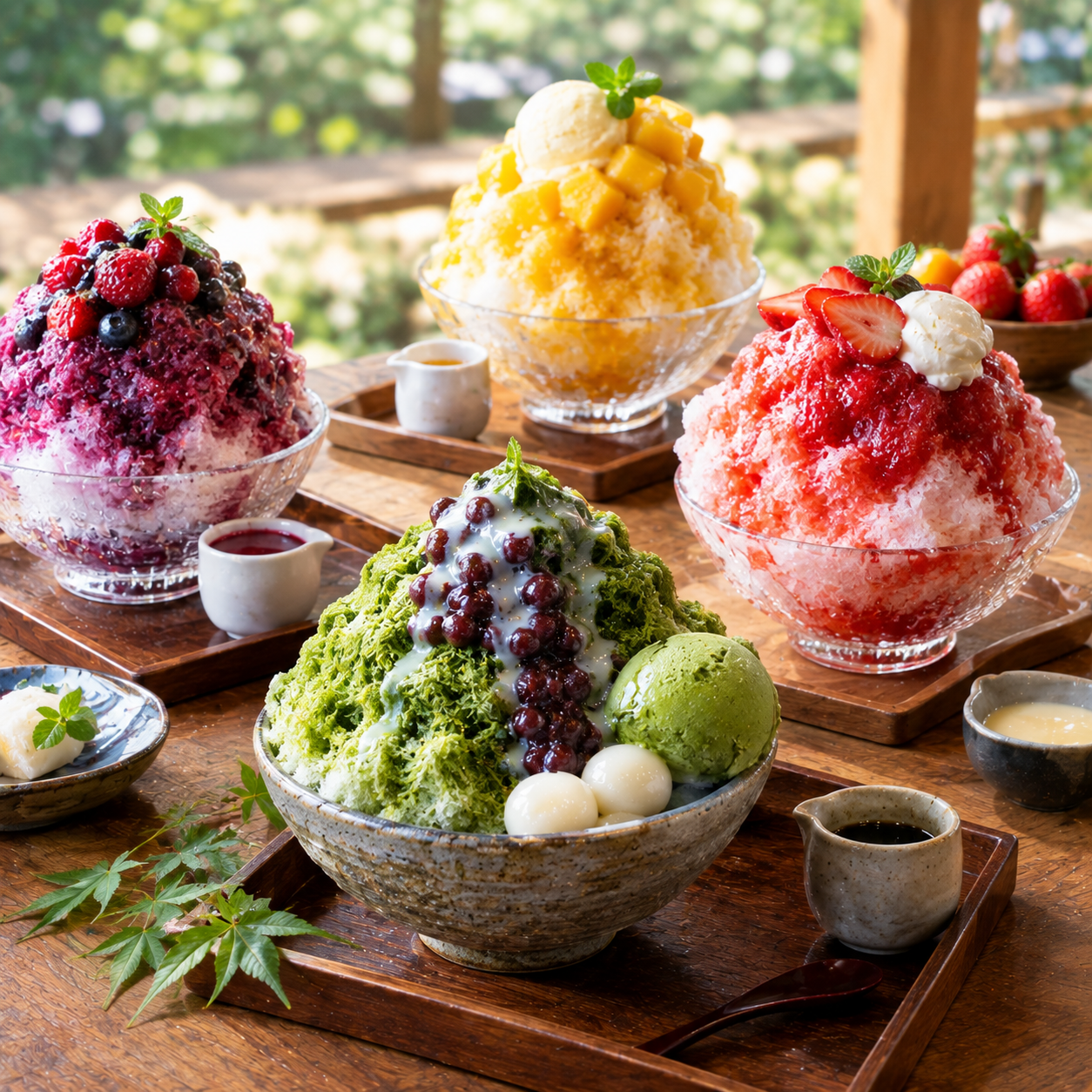
Japanese kakigori, or shaved ice, has evolved from a simple summer refreshment into an elaborate dessert crafted by skilled artisans and specialty shops.

It can be topped with a wide variety of ingredients, including matcha, seasonal fruits, kuromitsu (brown sugar syrup), and condensed milk. Some specialty shops place particular emphasis on natural ice and house-made syrups, creating delicate textures and flavours that go far beyond traditional shaved ice.

Seasonal flavours are also a hallmark of kakigori, making it a refreshing and distinctly Japanese way to experience the changing seasons.

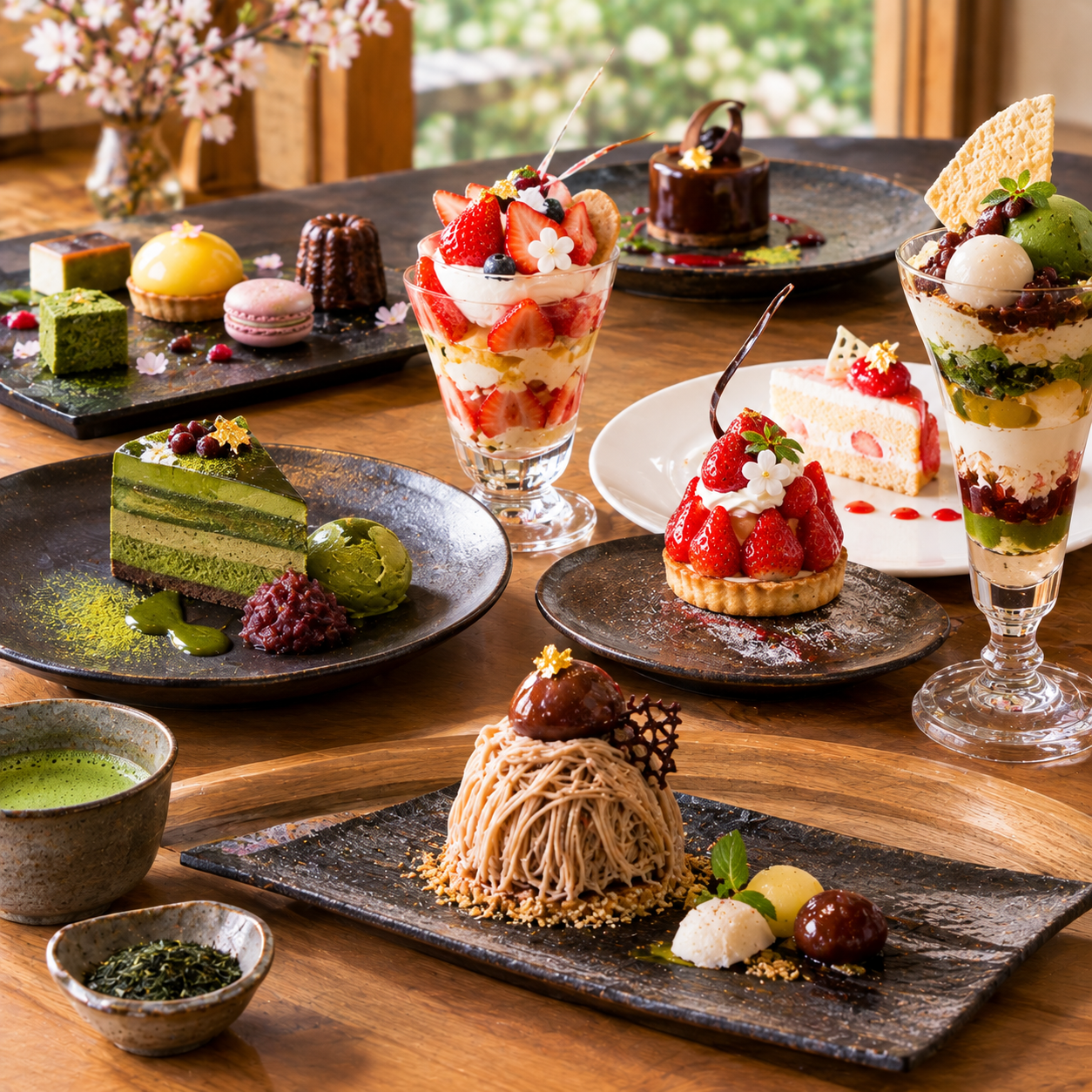
Cakes, puddings, parfaits, and other Western-style desserts introduced to Japan have developed into their own distinctive interpretations.

Japanese ingredients such as seasonal fruits, matcha, hojicha (roasted green tea), and Japanese chestnuts are often incorporated into these desserts, while traditional Japanese attention to balance, presentation, and seasonality adds a unique character.
Japanese pastry shops, luxury hotels, and restaurants offer beautifully presented desserts that combine Western techniques with Japanese ingredients and sensibilities.

Japanese Tea

Matcha is a traditional Japanese tea made by finely grinding specially cultivated tea leaves into a fine powder. It is known for its vibrant colour, distinctive umami, and gentle bitterness.

While matcha is closely associated with the traditional tea ceremony, it is also enjoyed today in a wide variety of settings, from refined tea rooms to contemporary cafés and restaurants.

Visitors can experience matcha in an authentic tea room, learn about traditional tea culture, or enjoy a bowl of matcha paired with seasonal Japanese sweets.

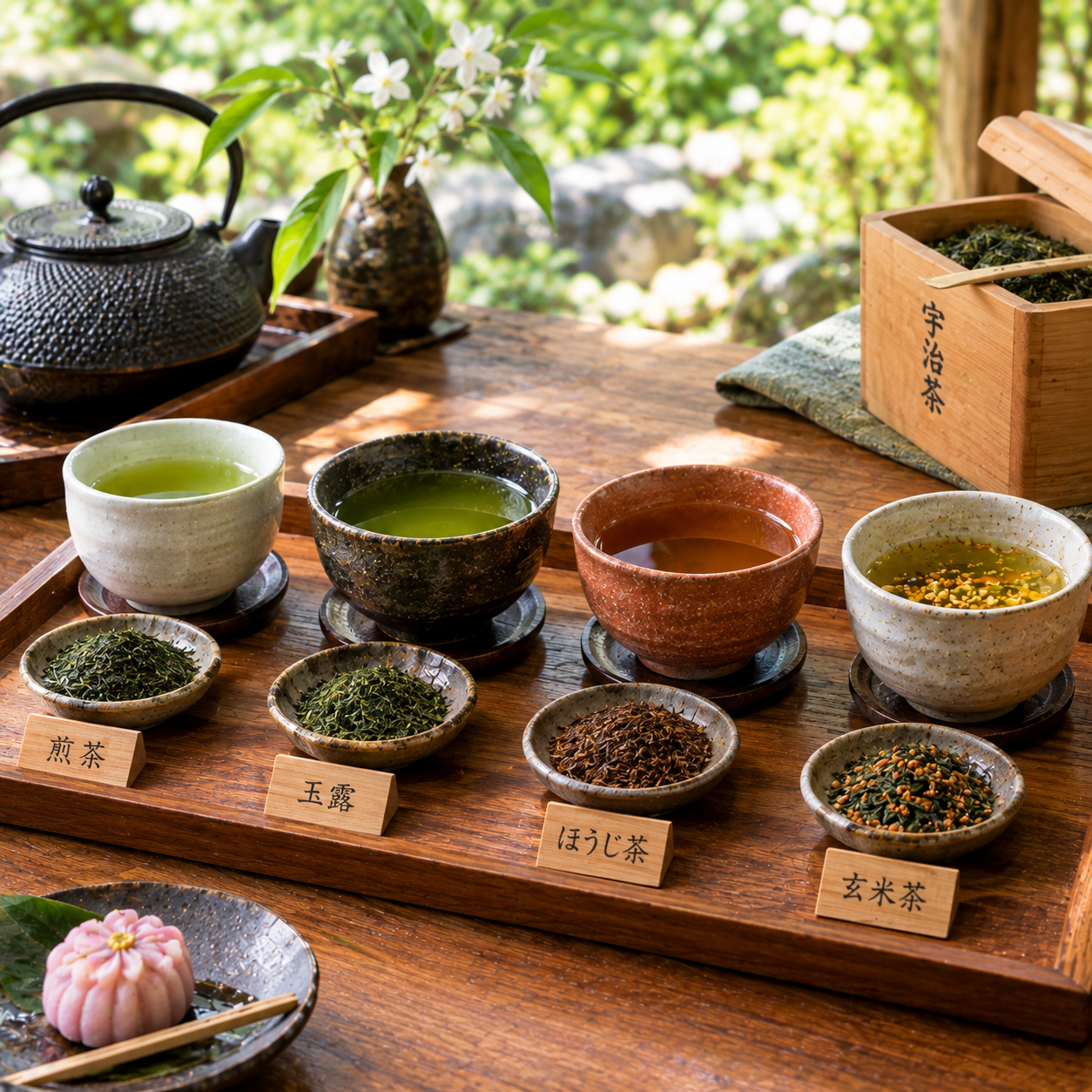
Japan offers a remarkable variety of teas, including sencha, gyokuro, hojicha (roasted green tea), and genmaicha (green tea blended with roasted rice).

The flavour and aroma of Japanese tea can vary significantly depending on the variety, growing region, cultivation methods, and production techniques. Exploring these differences offers an opportunity to discover the diversity and craftsmanship behind Japanese tea.

Japanese Sake & Spirits

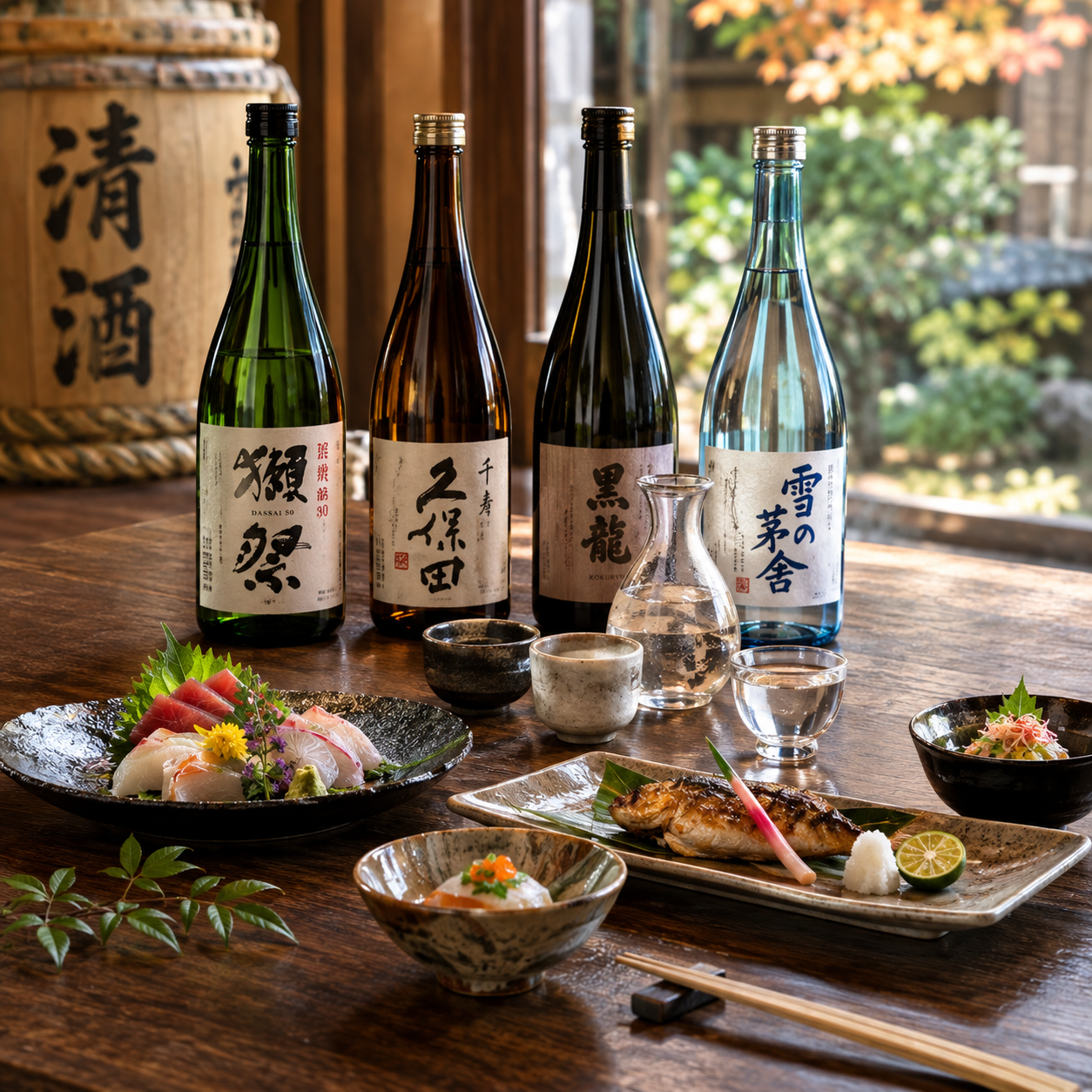
Sake is a traditional Japanese brewed alcoholic beverage made primarily from rice, water, and koji.

Sake breweries can be found throughout Japan, and the character of each sake can vary greatly depending on the rice, water, climate, and brewing techniques used. From light and crisp styles to rich, aromatic, and umami-forward varieties, there is an extraordinary range to discover.

Sake pairing, in which different varieties are carefully selected to complement particular dishes, offers another sophisticated way to explore Japanese cuisine.
Visitors can deepen their understanding of sake by visiting a brewery, learning about the brewing process and local traditions, or enjoying a private tasting guided by a sake specialist.

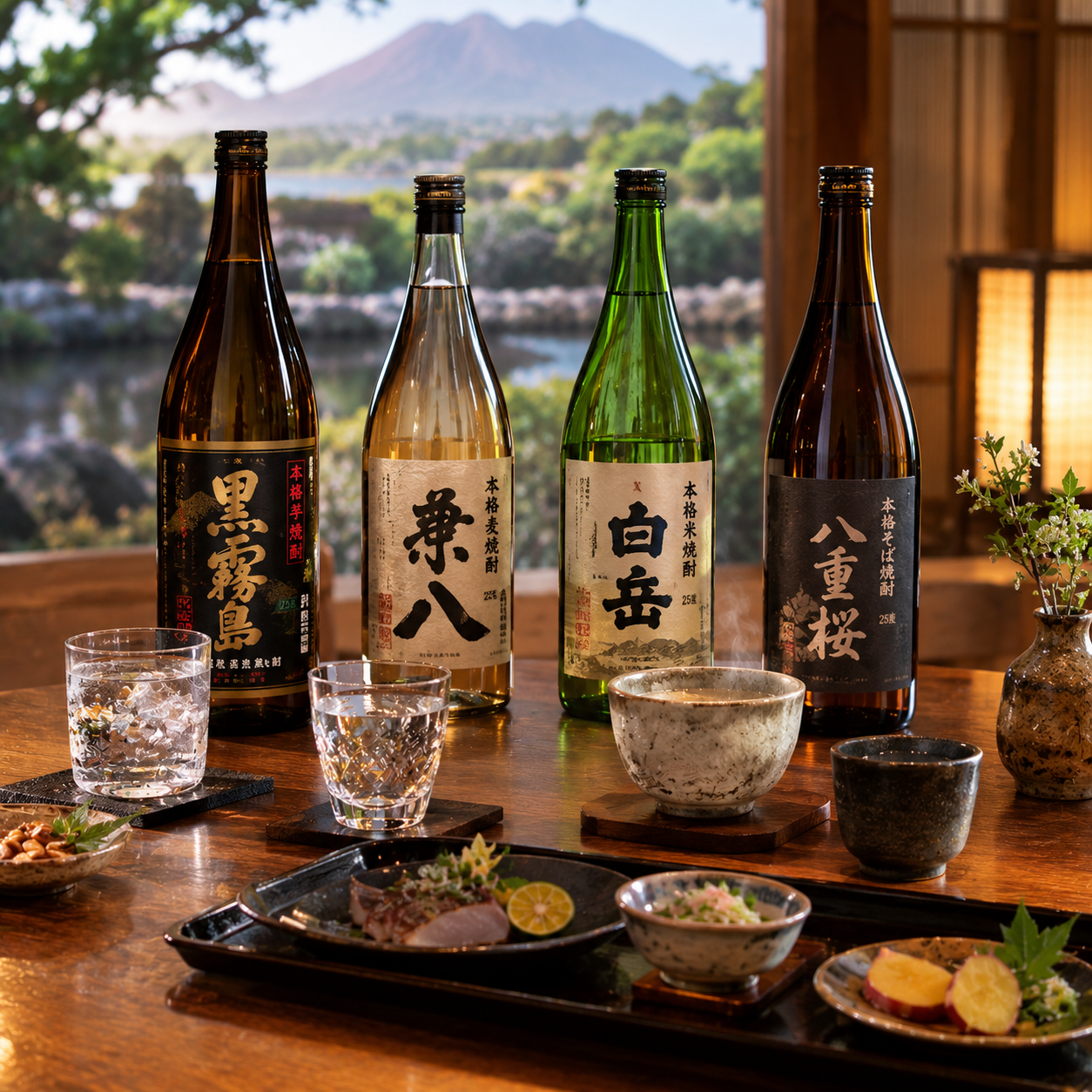
Shochu is a traditional Japanese distilled spirit made from a variety of ingredients, including rice, barley, sweet potatoes, and buckwheat.

Different regions are known for their distinctive styles. Kagoshima is particularly renowned for sweet potato shochu, while barley shochu is associated with regions such as Miyazaki and Oita, and Kumamoto is known for its rice shochu.

Shochu can be enjoyed in a variety of ways, including neat, on the rocks, with water, with hot water, or with soda. Each style of serving brings out different aspects of its character.

A guided tasting with a specialist offers an opportunity to discover the regional diversity and versatility of this uniquely Japanese spirit.

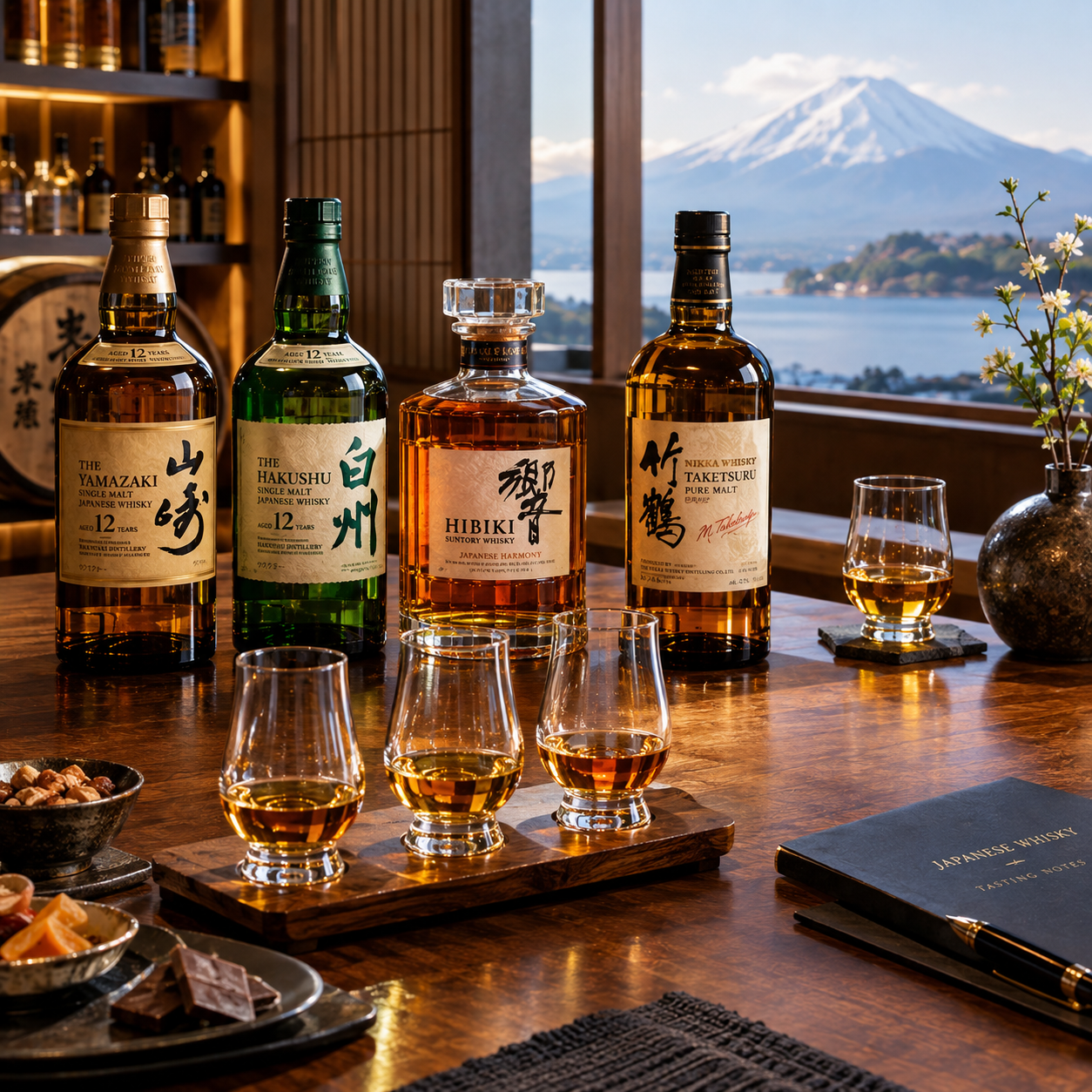
Japanese whisky has earned international recognition and is now regarded as one of Japan’s most distinguished spirits.

Distilleries across the country produce whiskies with distinctive characteristics influenced by local water, climate, and maturation environments. Japanese whisky is particularly valued for its craftsmanship, attention to detail, and refined balance.

Visitors can tour a distillery to learn about the production process and maturation techniques, enjoy a curated tasting, or visit a specialist whisky bar where an expert can recommend whiskies based on individual preferences.
These experiences offer an opportunity to explore not only the flavours of Japanese whisky,but also the craftsmanship and philosophy behind its growing international reputation.

Markets & Culinary Experiences

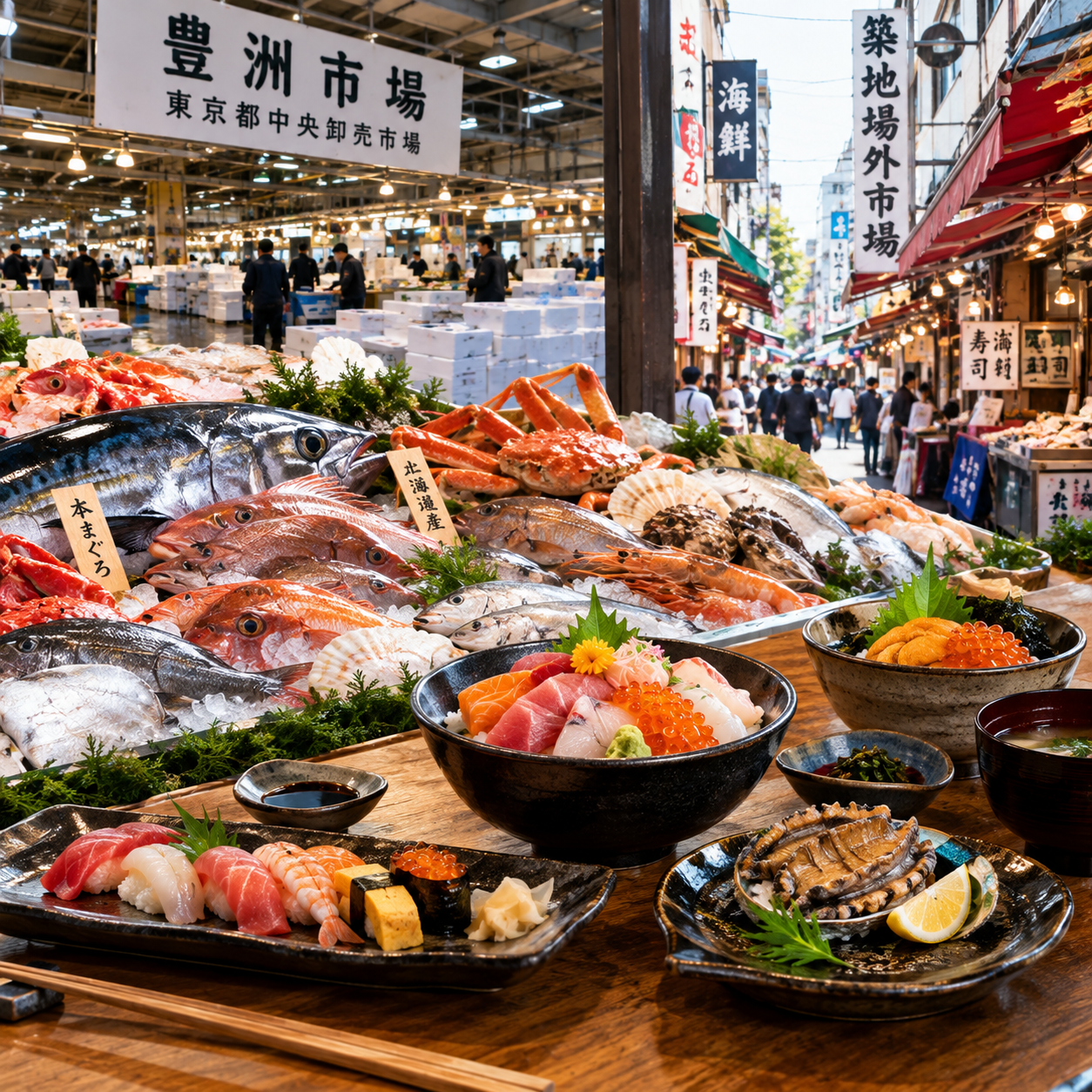
Toyosu Market is one of Japan’s largest wholesale markets for seafood, bringing together fresh fish and other ingredients from across the country.

Visitors can experience the energy of the market while discovering Japan’s rich seafood culture and enjoying specialties such as sushi and seafood rice bowls.

Tsukiji Outer Market, meanwhile, offers a more intimate and lively way to explore Japanese food culture. Its streets are lined with specialist shops selling fresh seafood, dried foods, fruits and vegetables, dashi, seasonings, kitchenware, and other Japanese ingredients.

The market is also home to numerous restaurants and food stalls, making it an ideal place to explore through dining, shopping, and casual food tasting.

For those who wish to discover the market beyond the usual tourist experience, a private guide or chef can accompany you, introducing seasonal ingredients, explaining their cultural significance, and taking you to carefully selected restaurants and specialty shops based on your interests.

Demo | Dining & Gourmet